Loki RXTON 1 vs Xiom Vega Asia: Which Should You Buy?
| Loki RXTON 1 | Xiom Vega Asia | |
|---|---|---|
| Our rating | 8.0/10 | 7.8/10 |
| best_side | both | forehand or backhand |
| control | very high | 73 |
| speed | low to medium | 90 |
| spin | high | 88 |
| sponge_hardness | medium (around 38-39 degrees Chinese scale, roughly 50-52 ESN) | 47.5 degrees |
| type | tacky inverted (budget) | inverted tensor (ESN) |
| weight_uncut_g | 64 | 68 |
We may earn a commission from links on this page. Learn more.
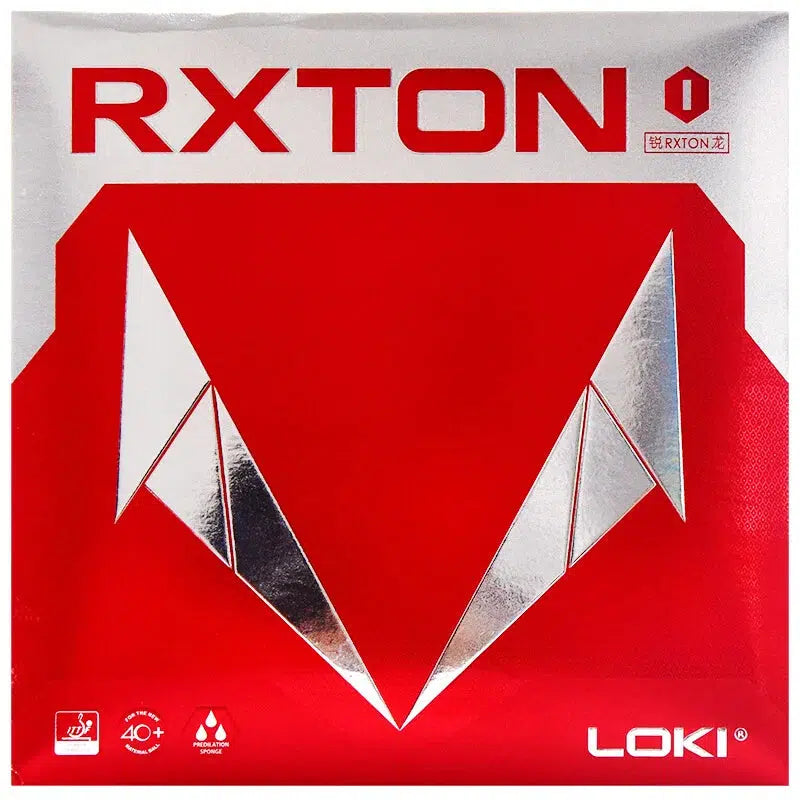
Loki RXTON 1 is fundamentally a beginner and control rubber that prioritizes placement and forgiveness at minimal cost. It teaches stroke mechanics and consistency without the distraction of complex catapult effects or speed pressure.
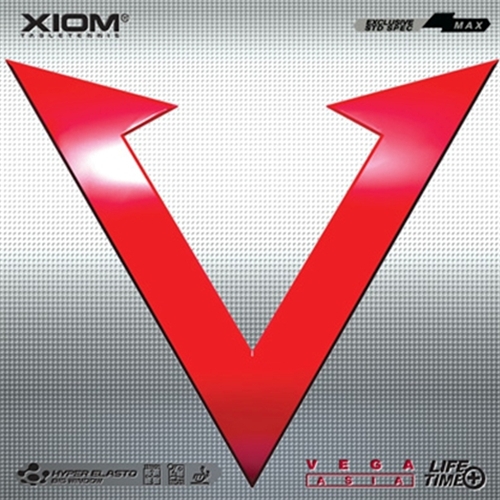
Xiom Vega Asia represents a meaningful step up for intermediate attackers who want direct drives and smashes. Its speed and durability appeal to Asian-style players preferring pace over pure spin. However, spin generation requires refined technique, and the topsheet chips within one to two months of heavy training, unlike Loki’s stable, modest performance.
FAQ
Which suits a backhand-based player?
Loki on the backhand (with confidence) or Vega Asia if you want a universal option for both wings with genuine pace.
How do they differ in spin?
Loki generates usable spin for serves and rallies passively. Vega Asia requires active looping technique to generate meaningful spin; passive pushing can feel flat.
Is Vega Asia durable?
More durable than Vega Europe but still limited to one to two months of heavy use. Loki’s topsheet is far more stable.
Which is better value?
Loki at 15 dollars is unbeatable cost-per-use. Vega Asia costs more but justifies it if you need speed and all-round suitability for both sides.
Can beginners use Vega Asia?
Beginners find the speed-focused character harder to control than Loki. Vega suits intermediate players who can commit full strokes.