Loki RXTON 1 vs Nittaku Fastarc P-1: Which Should You Buy?
| Loki RXTON 1 | Nittaku Fastarc P-1 | |
|---|---|---|
| Our rating | 8.0/10 | 7.8/10 |
| best_side | both | forehand |
| control | very high | 8.5 |
| speed | low to medium | 15.5 |
| spin | high | 12.25 |
| sponge_hardness | medium (around 38-39 degrees Chinese scale, roughly 50-52 ESN) | 47.5 degrees |
| type | tacky inverted (budget) | tensor |
| weight_uncut_g | 64 | 70 |
We may earn a commission from links on this page. Learn more.
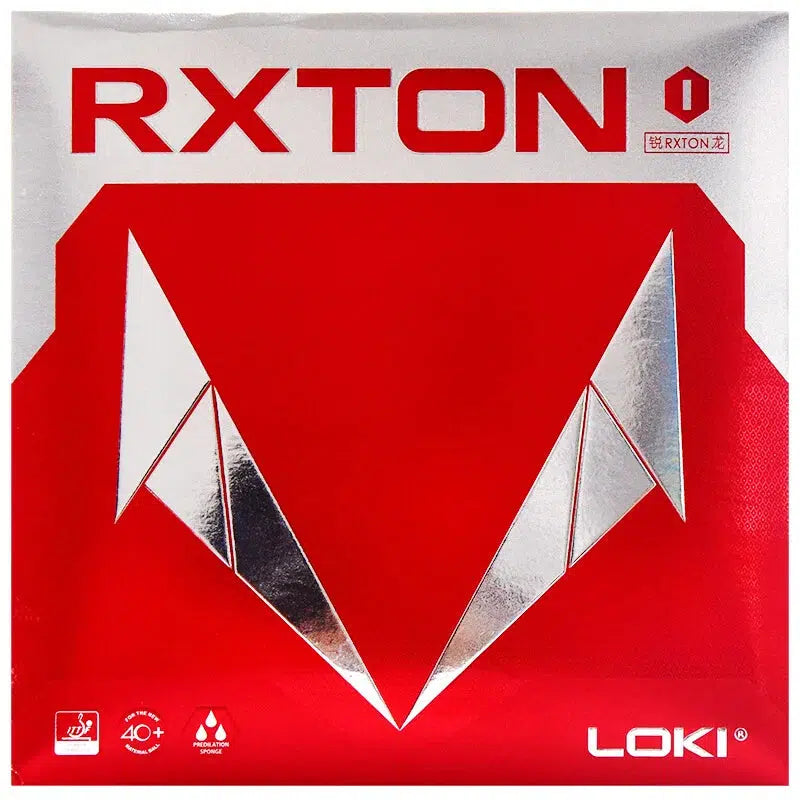
Loki RXTON 1 delivers outstanding value at roughly fifteen dollars per sheet with very high control making the table easy to hit and hard to miss. Good usable spin for serves and rallies with higher-quality topsheet and sponge than most budget Chinese rivals suits beginners and returning players building inexpensive custom rackets. Light and easy to handle with monthly replacement possibility, though low outright speed, mild tackiness that wears, and limited competitive appeal keep RXTON in beginner and training category.
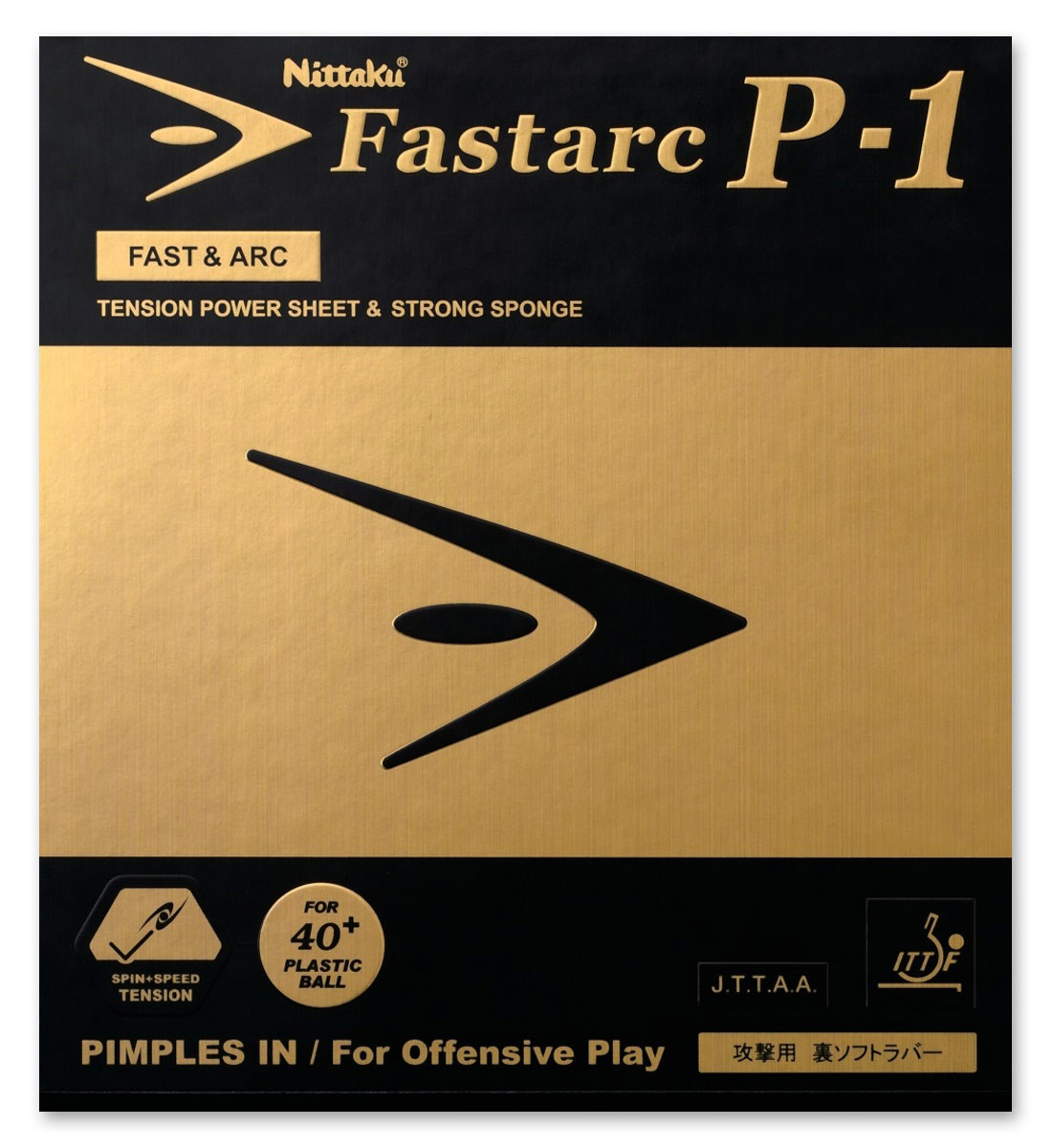
Nittaku Fastarc P-1 offers impressive spin output on power loops with soft in-play feel and high throw angle providing generous net safety. Low spin sensitivity makes blocking and counterlooping consistent and safe, with durable German construction maintaining performance reliably over many months. Very linear and demanding means tentative or arm-only strokes produce error-prone results. Choose RXTON for budget-friendly control and accessibility; pick Fastarc P-1 for precision-rewarding tensor performance.
FAQ
Which suits beginners?
RXTON ideal for beginners with high control and low cost. Fastarc P-1 too demanding.
Which costs less?
RXTON at fifteen dollars dramatically cheaper. Fastarc P-1 premium tensor pricing.
Which is faster?
Fastarc P-1 significantly faster tensor rubber. RXTON low speed control option.
Which lasts longer?
Fastarc P-1 durable for many months. RXTON monthly replacement typical.