Loki RXTON 1 vs Nittaku Fastarc C-1: Which Should You Buy?
| Loki RXTON 1 | Nittaku Fastarc C-1 | |
|---|---|---|
| Our rating | 8.0/10 | 8.4/10 |
| best_side | both | backhand or allround |
| control | very high | high |
| speed | low to medium | 15.25 (Nittaku scale) |
| spin | high | 12.25 (Nittaku scale) |
| sponge_hardness | medium (around 38-39 degrees Chinese scale, roughly 50-52 ESN) | 45 degrees |
| type | tacky inverted (budget) | inverted / tensor |
| weight_uncut_g | 64 | approx 47 g (157 x 150 mm sheet) |
We may earn a commission from links on this page. Learn more.
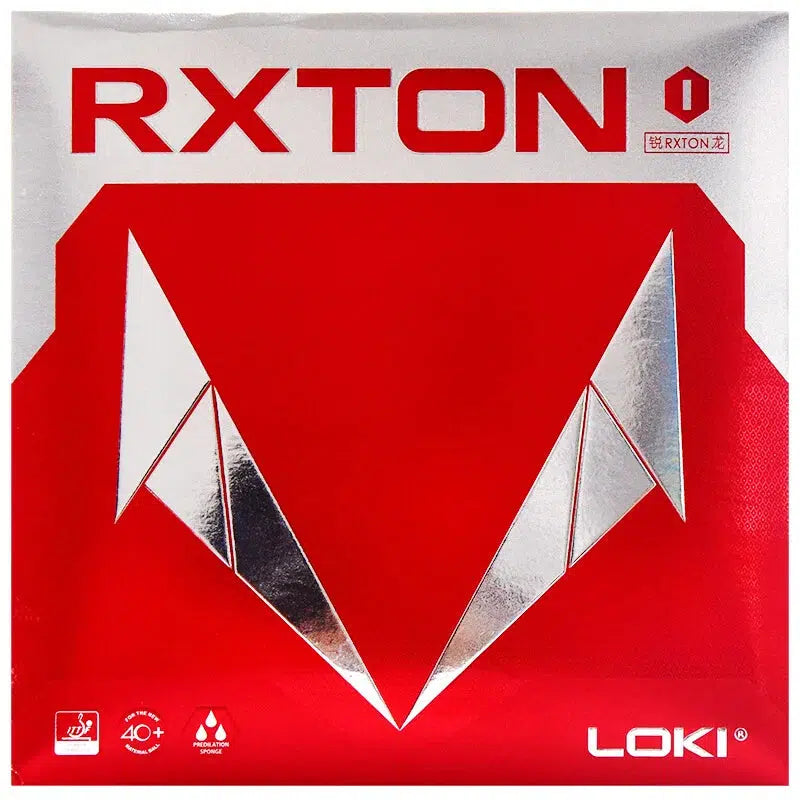
RXTON 1 costs around 15 dollars and prioritizes easy hitting and high control—perfect for beginners and training rotations. Spin is usable, the rubber is light to handle, and you replace it monthly without guilt. The downside: minimal speed, weak tacky feel, and treated mainly as beginner or backup gear.
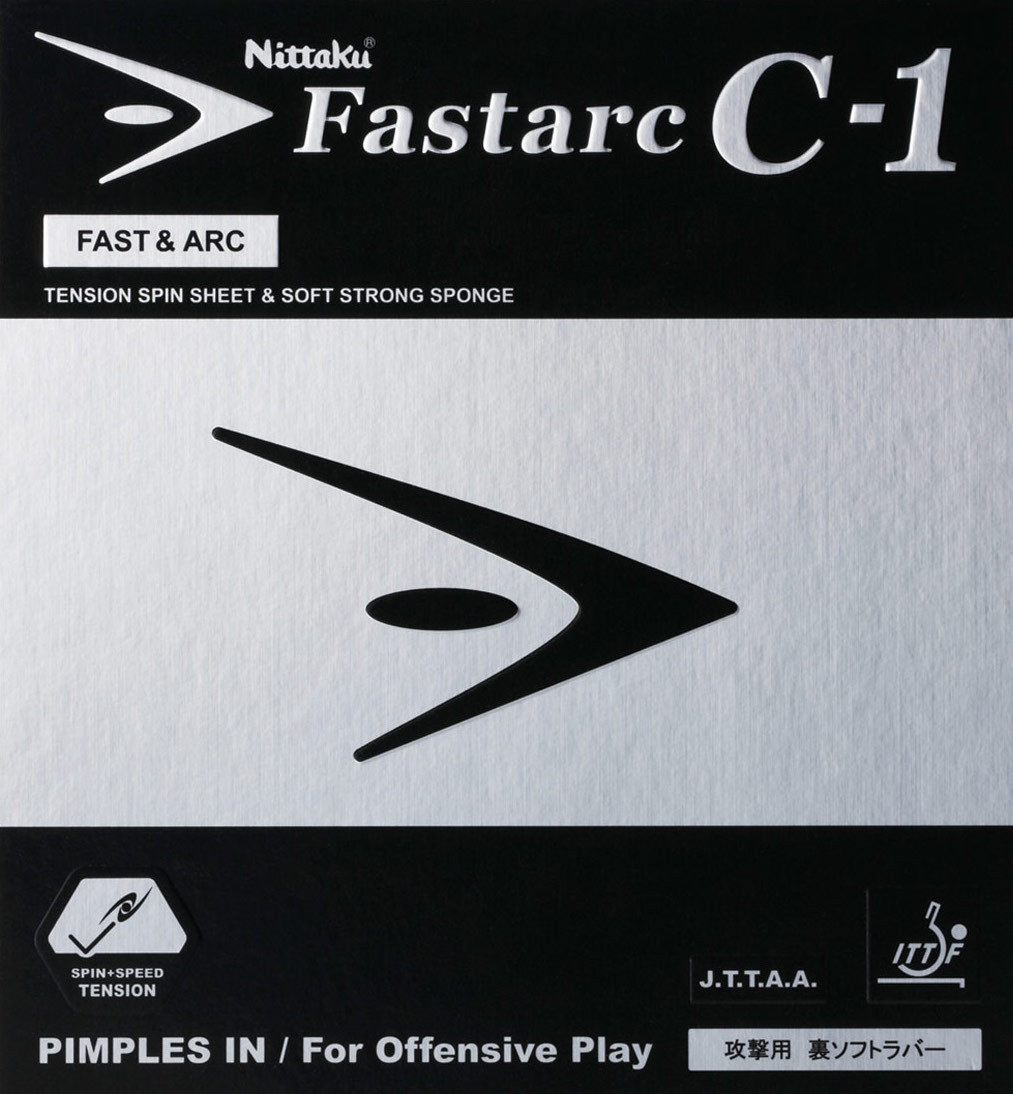
Fastarc C-1 commands a higher price but delivers opening-loop spin, a forgiving high arc, and consistent short-game blocks. Its G-1 topsheet grips well when active. The trade-off: lower top-end speed than Fastarc G-1, needs active strokes to shine, and very advanced players may outgrow it.
Choose RXTON 1 for budget control and flexibility to swap monthly. Select Fastarc C-1 if you loop frequently, want mid-distance consistency, and seek intermediate-to-advanced spin without premium-rubber pricing.
FAQ
Which is better for beginners?
RXTON 1 is explicitly designed for beginners: cheap, light, easy to hit, and replaceable. C-1 suits intermediate players already comfortable with active strokes.
Which generates more spin?
C-1 dominates with opening-loop dwell and consistent dwell time; RXTON 1 offers only good usable spin for serves and rallies.
Which costs less?
RXTON 1 at around 15 dollars, versus C-1’s higher intermediate-rubber pricing.
Which is better for blocking?
C-1 excels with effortless passive blocks and close-to-table consistency; RXTON 1 is decent but not a standout feature.