JOOLA Dynaryz ZGR vs Stiga DNA Pro M: Which Should You Buy?
| JOOLA Dynaryz ZGR | Stiga DNA Pro M | |
|---|---|---|
| Our rating | 8.3/10 | 8.5/10 |
| best_side | forehand | Forehand or Backhand |
| control | Medium-High | High |
| speed | Extreme | OFF+ |
| spin | Extreme | Very High |
| sponge_hardness | 57.5 degrees Shore C (hard) | 47.5 degrees ESN |
| type | hybrid tacky tensor (pimples-in) | Inverted / Pimples-In |
| weight_uncut_g | approx 56g (cut to 157x150mm) | 69 |
We may earn a commission from links on this page. Learn more.
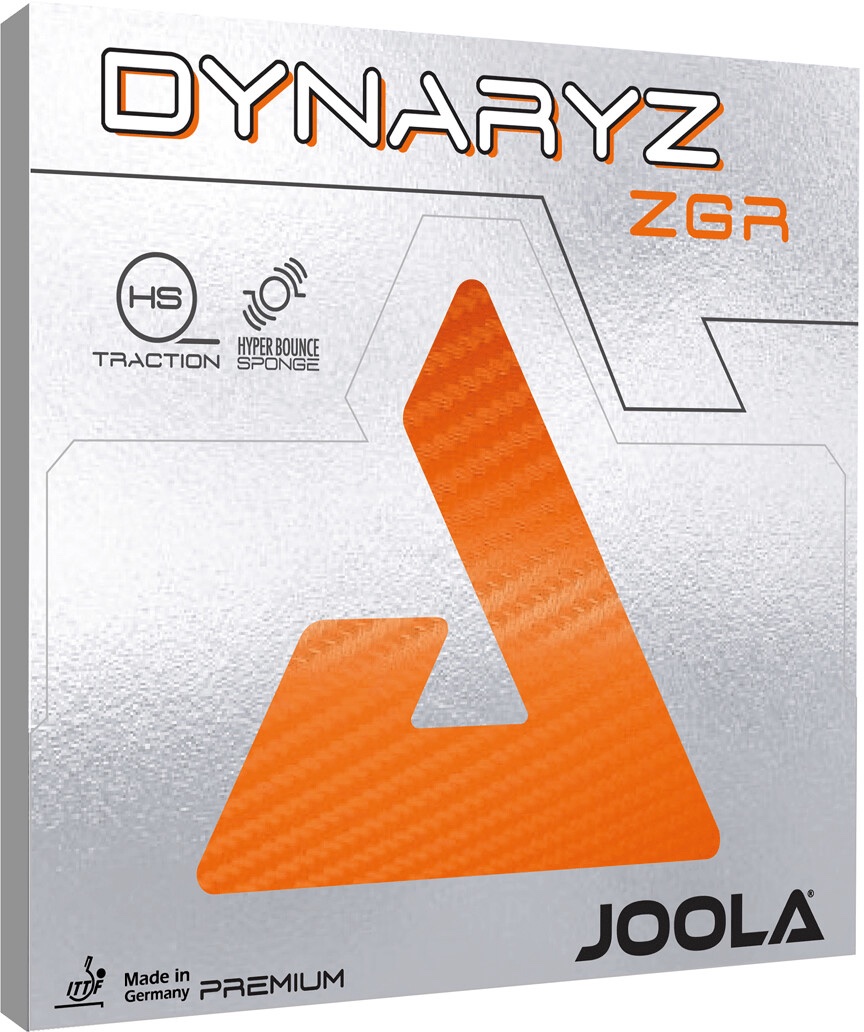
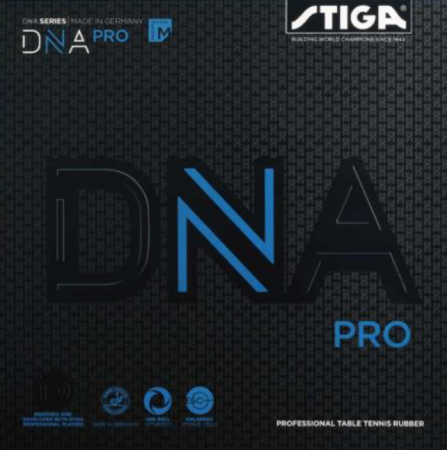
The JOOLA Dynaryz ZGR (8.3 rating) is a tacky-tensor hybrid with exceptional spin for topspin and counter-loops, delivering extreme speed and spin with multiple gears for both touch and power. Its 57.5-degree sponge is very hard, demanding high racket speed and clean technique; the tacky topsheet adds grip and spin beyond typical tensors. Blocking and passive control beat expectations for such a hard rubber. The Stiga DNA Pro M (8.5 rating) balances speed and spin for its softer 47.5-degree sponge with a forgiving medium-high arc, excellent spin from a very grippy topsheet, strong close-to-table control, and suitability for both forehand and backhand.
ZGR suits advanced forehand attackers playing mid to long distance, especially those transitioning from Chinese rubbers; its weight (around 56g cut) may cause arm fatigue, and the tacky feel fades in about two months. DNA Pro M suits intermediate to advanced players seeking high performance with forgiveness; it lasts four to five months and rewards correct technique without harsh punishment. ZGR is extreme spin and speed; DNA Pro M is balanced and accessible. ZGR demands exceptional racket speed; DNA Pro M does not.
Choose ZGR if you are an advanced player with excellent technique, prefer extreme spin for looping at mid distance, and come from a Chinese-rubber background. Choose DNA Pro M if you want elite tensor performance with more forgiveness and balance.
FAQ
Which is faster?
ZGR is rated Extreme speed; DNA Pro M is OFF+. ZGR feels more explosive and harder; DNA Pro M is more linear and manageable.
Which has more spin?
ZGR is rated Extreme spin (noticeably spinnier than its AGR sibling); DNA Pro M is Very High. ZGR has higher peak but requires harder hitting.
Which is better for close-to-table play?
DNA Pro M has strong close-to-table control despite its speed. ZGR is optimized for mid to long distance and may feel too hard up close without strong technique.
Which is easier to learn and use?
DNA Pro M is more forgiving: it has a balanced sponge, a medium-high arc, and reduced net errors for imprecision. ZGR demands very high racket speed and clean technique.
Which works on both sides?
DNA Pro M suits both forehand and backhand. ZGR is forehand-focused and designed for power loopers.