Donic Waldner Senso Carbon V1 vs Yinhe T-11+: Which Should You Buy?
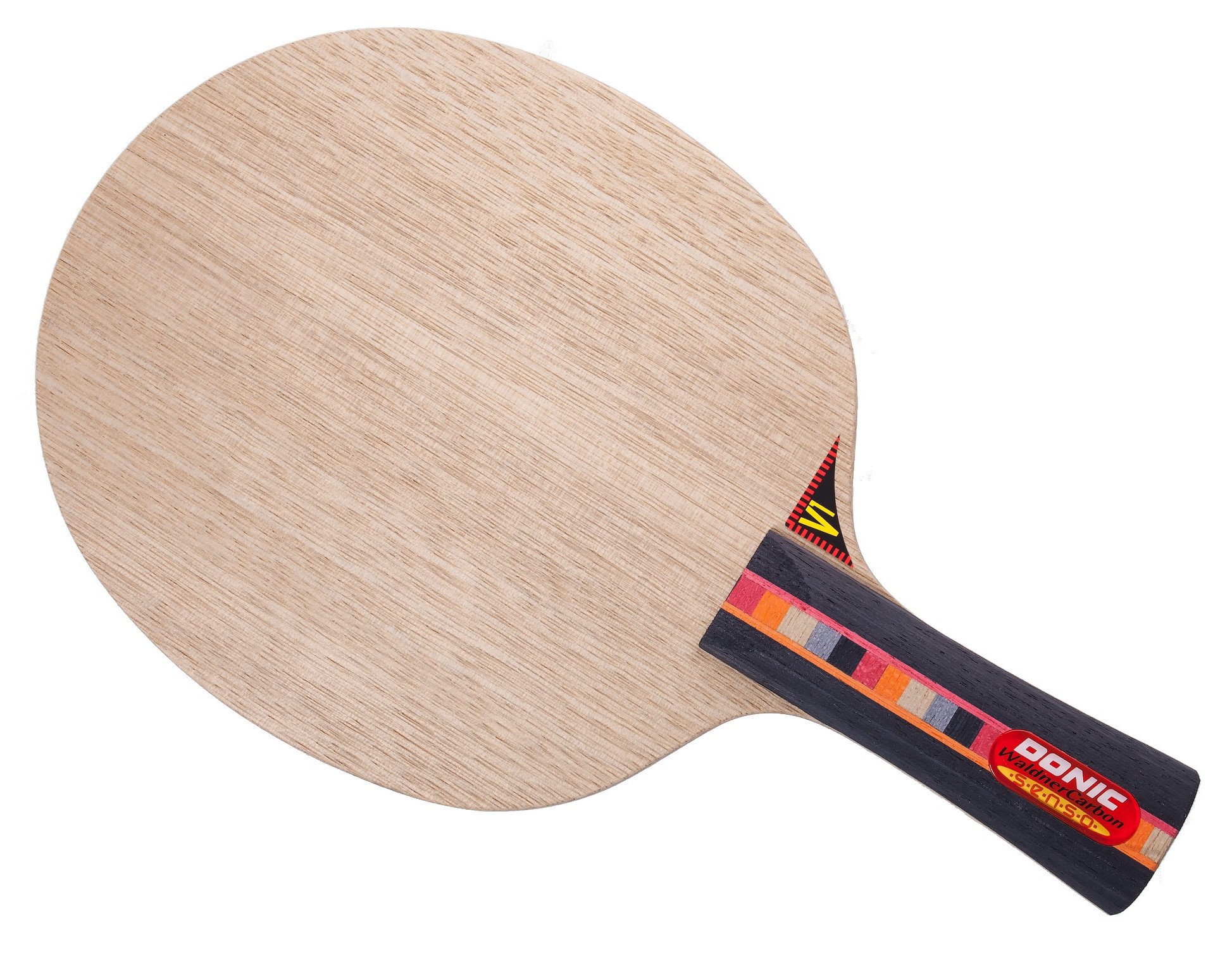
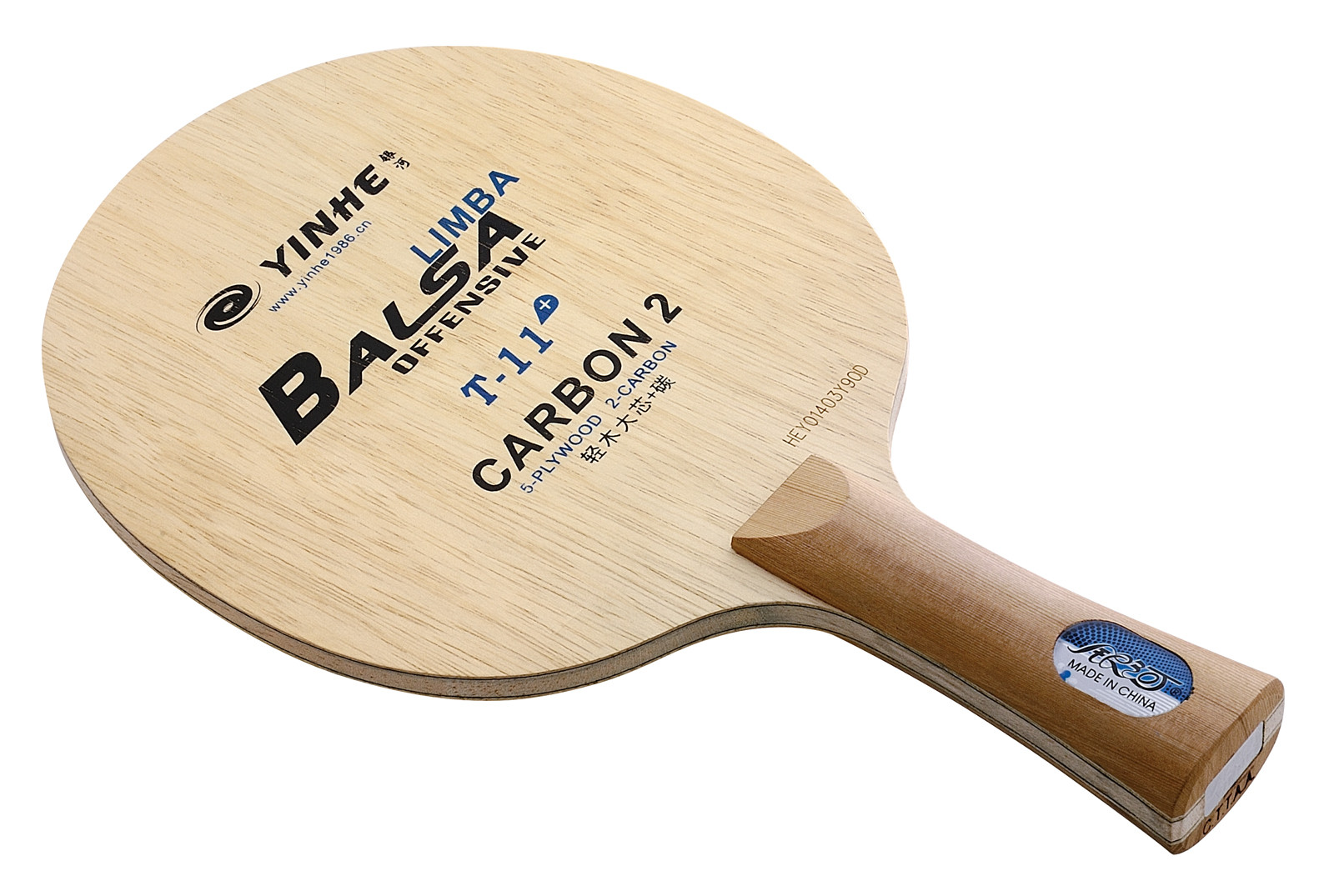
| Donic Waldner Senso Carbon V1 | Yinhe T-11+ | |
|---|---|---|
| Our rating | 8.2/10 | 7.8/10 |
| feel | Soft woody feel with carbon kick; elastic and spin-friendly; medium-high throw angle | very light, stiff but soft balsa core with a carbon ping |
| handle | Senso V1 hollow handle (vibration-damping) — FL, AN, ST options | FL |
| plies | 7 plies: 5 wood (Limba outer, Ayous mid) + 2 carbon composite | 5W+2 Carbon with balsa core (two thin wood outers, one carbon layer per side, around a thick balsa middle ply) |
| speed | OFF- | OFF- |
| thickness_mm | 5.6-5.8mm | 6.5 |
| weight_g | 85-87g | 78 |
We may earn a commission from links on this page. Learn more.
The Donic Waldner Senso Carbon V1 is soft, elastic German carbon optimized for topspin looping close to the table. The Yinhe T-11+ is an ultra-light balsa-carbon blade (78g) with stiff, fast balsa core and a carbon ping—designed for flat hitting, flicking, and chopping, not heavy topspin.
Choose the Donic for close-to-table topspin looping with modern elastic feel and a high throw that aids spin on low balls. Choose the Yinhe for featherweight speed, flat hitting, flicking, and combination/pips-out play. The Donic suits looping players; the Yinhe suits flat hitters and pips-out specialists. The Donic is forgiving on topspin; the Yinhe is sharp for flat strikes. Both suit offensive intermediate players, but they target opposite playing styles. Heavy topspin loopers should avoid the Yinhe; passive blockers should avoid the Donic.
FAQ
Is the Yinhe T-11+ really only 78g?
Yes, making it one of the lightest offensive blades on the market. The Donic at 85-87g feels almost heavy by comparison. Ultra-light weight is the Yinhe’s defining feature.
Does the Yinhe T-11+ work for topspin looping at all?
Poorly. Heavy topspin looping is explicitly called its weakness. The short dwell time and stiff balsa core reward flat hitting, flicking, and short-game power, not spin-heavy looping.
Why must the Yinhe be sealed before use?
The balsa and thin wood layers are fragile and prone to splintering. Sealing protects the blade from impact damage and extends its life. The Donic comes more robust and sealed ready.
Which blade suits a penhold player better?
The Donic is more universally suited. The Yinhe’s ultra-light, stiff design favors penholder flat hitters and pips-out specialists, but not traditional inverted penholders seeking topspin.