Donic Waldner Senso Carbon V1 vs Xiom Stradivarius: Which Should You Buy?
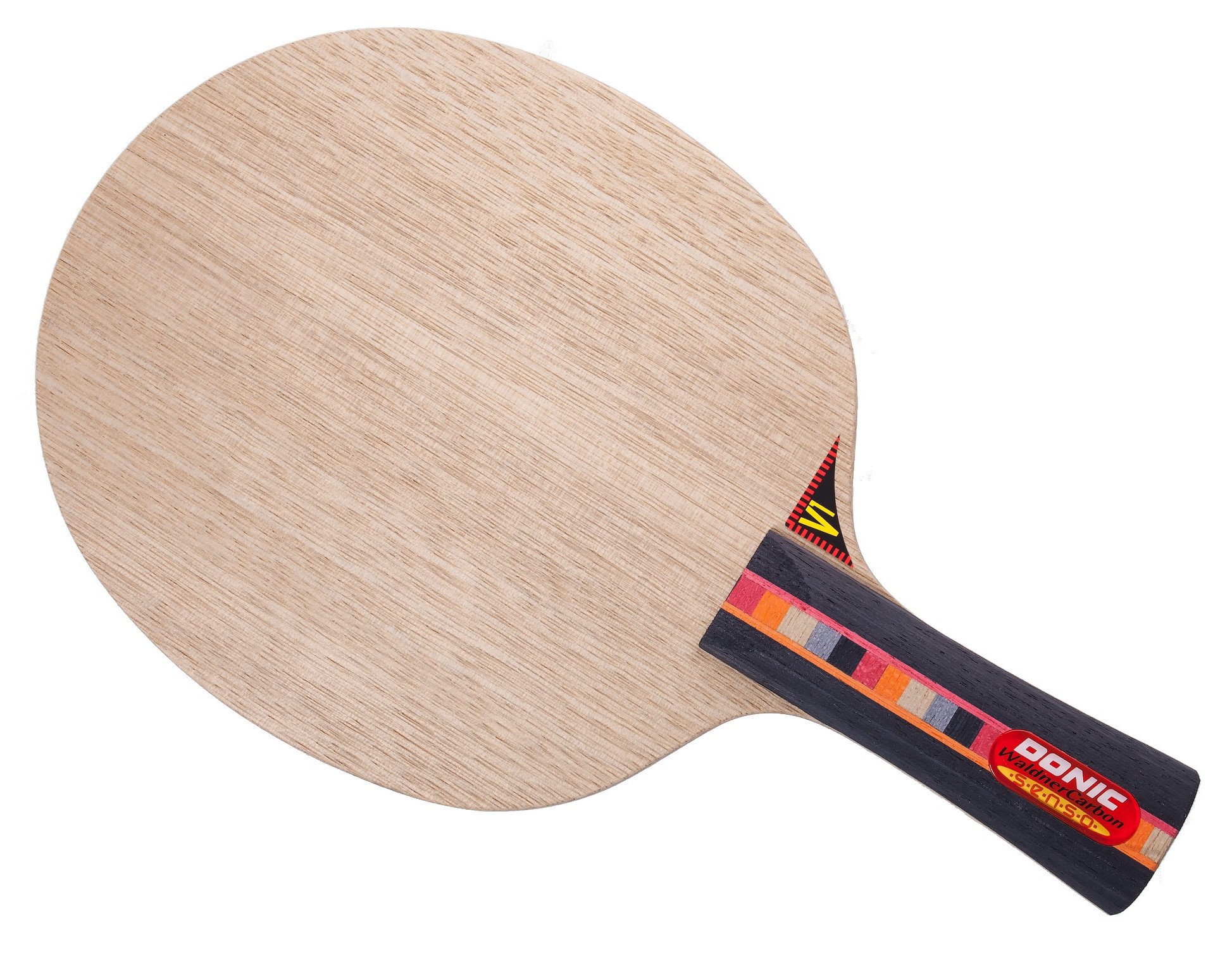
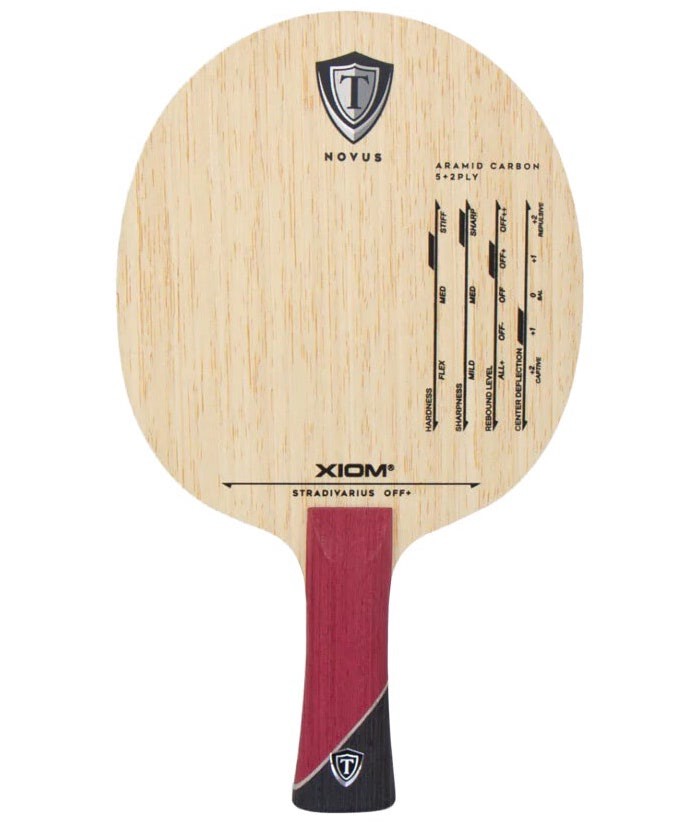
| Donic Waldner Senso Carbon V1 | Xiom Stradivarius | |
|---|---|---|
| Our rating | 8.2/10 | 8.4/10 |
| feel | Soft woody feel with carbon kick; elastic and spin-friendly; medium-high throw angle | Crisp and solid with low residual vibration; direct ball contact feel with a large sweet spot |
| handle | Senso V1 hollow handle (vibration-damping) — FL, AN, ST options | Flared (FL), Straight (ST) |
| plies | 7 plies: 5 wood (Limba outer, Ayous mid) + 2 carbon composite | 5 wood + 2 arylate carbon (Aramid Carbon) |
| speed | OFF- | OFF |
| thickness_mm | 5.6-5.8mm | 5.7 |
| weight_g | 85-87g | ~85-87 |
We may earn a commission from links on this page. Learn more.
The Donic Waldner Senso Carbon V1 is a soft, elastic German carbon blade with a high throw and spin-friendly performance suited to close-to-table looping. The Xiom Stradivarius uses arylate carbon (Aramid Carbon) construction for a crisp, direct feel with low residual vibration and a large sweet spot—competing with Butterfly ALC blades at fraction of the price.
Choose the Donic for a traditional, woody carbon feel with elastic rebound and high throw that aids spin generation on low balls. Choose the Xiom for a modern, direct carbon feel with low vibration and a generous sweet spot that rewards topspin and offensive play at lower cost. The Donic is softer and more spin-forward; the Xiom is crisper and more efficient. Both suit intermediate-to-advanced players, but the Donic attracts those who want European carbon feel, while the Xiom attracts players seeking Japanese-class performance without Japanese prices.
FAQ
What is arylate carbon, and how does it differ from composite carbon?
Arylate carbon (Aramid Carbon) uses aramid fibers instead of standard carbon fibers, producing a crisper, more direct feel with less vibration. Standard carbon in the Donic is softer and more elastic by comparison.
Does the Xiom really compete with Butterfly ALC class?
Performance-wise, yes—especially for topspin and consistency at mid distance. Price-wise, the Xiom is dramatically cheaper. The feel is crisper than ALC, which some players prefer and others find less forgiving.
Which is better at far-distance attacking?
The Xiom. Its crisp, direct carbon feel and solid OFF rating perform better at mid-to-far distance. The Donic excels close to the table and drops speed noticeably at distance.
Can both use the same rubber pairings?
Yes, broadly. Both pair well with tensor rubbers at various stiffnesses and with inverted rubbers. The Xiom’s crisper platform may feel even more crisp with hard tensor; the Donic’s elasticity may feel muted with very stiff rubber.