Donic Epox Control vs Yinhe T-11+: Which Should You Buy?
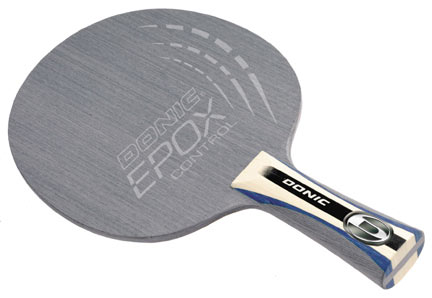
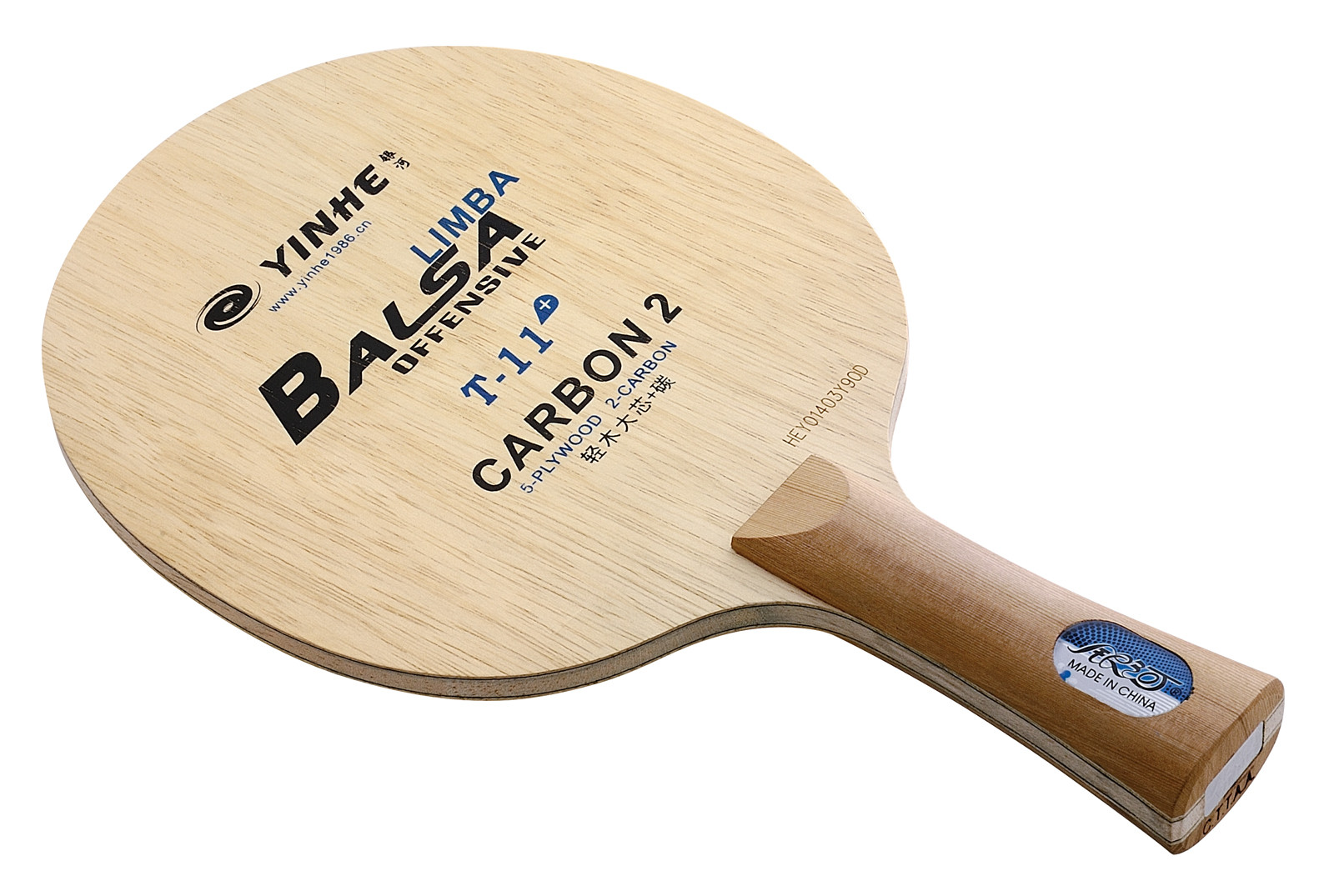
| Donic Epox Control | Yinhe T-11+ | |
|---|---|---|
| Our rating | 7.8/10 | 7.8/10 |
| feel | Low vibration, elastic, soft touch | very light, stiff but soft balsa core with a carbon ping |
| handle | Flared / Anatomic / Straight | FL |
| plies | 5-ply all wood | 5W+2 Carbon with balsa core (two thin wood outers, one carbon layer per side, around a thick balsa middle ply) |
| speed | ALL+ | OFF- |
| thickness_mm | 5.1 | 6.5 |
| weight_g | 80-90 | 78 |
We may earn a commission from links on this page. Learn more.
Donic Epox Control is the gentle, forgiving option—soft feel, low vibration, large sweet spot, and around 80g for long practice sessions. Yinhe T-11+ at 78g is among the lightest offensive blades, combining balsa-carbon speed with stiffness that rewards flat hits and cutting blocks.
T-11+ excels for flat hitters, pips-out combos, blockers, and power drivers; it struggles with heavy topspin looping. Epox is slower and softer, ideal for beginners and all-rounders.
For featherlight speed, T-11+ is unbeaten. For pure control and forgiving play, Epox Control remains the standard.
FAQ
Which is lighter?
Yinhe T-11+ at 78g is among the lightest offensive blades; Donic Epox Control at 80g is also very light.
Which suits heavy topspin looping?
Donic Epox Control; Yinhe T-11+ is the clear weakness for heavy topspin and loop play.
Which is best for flat hitting and smashing?
Yinhe T-11+; stiffness and balsa-carbon construction make flat drives and smashes effortless.
Which is beginner-friendly?
Donic Epox Control; T-11+ requires fast rubbers and active, concentrated technique for short-game control.
Can I play defensive chopping with either?
Epox Control is the natural choice; T-11+ excels at chopping for pips-out players but not inverted rubber choppers.