Donic Bluestorm Pro AM vs Stiga Mantra M: Which Should You Buy?
| Donic Bluestorm Pro AM | Stiga Mantra M | |
|---|---|---|
| Our rating | 8.4/10 | 8.2/10 |
| best_side | backhand / all-round forehand | Backhand or Forehand |
| control | 9.2 | High |
| speed | 9.1 | High |
| spin | 9.4 | High |
| sponge_hardness | 47.5 degrees | Medium (approx 45 degrees) |
| type | inverted | Inverted / Pimples-in |
| weight_uncut_g | 50 | approx 64 |
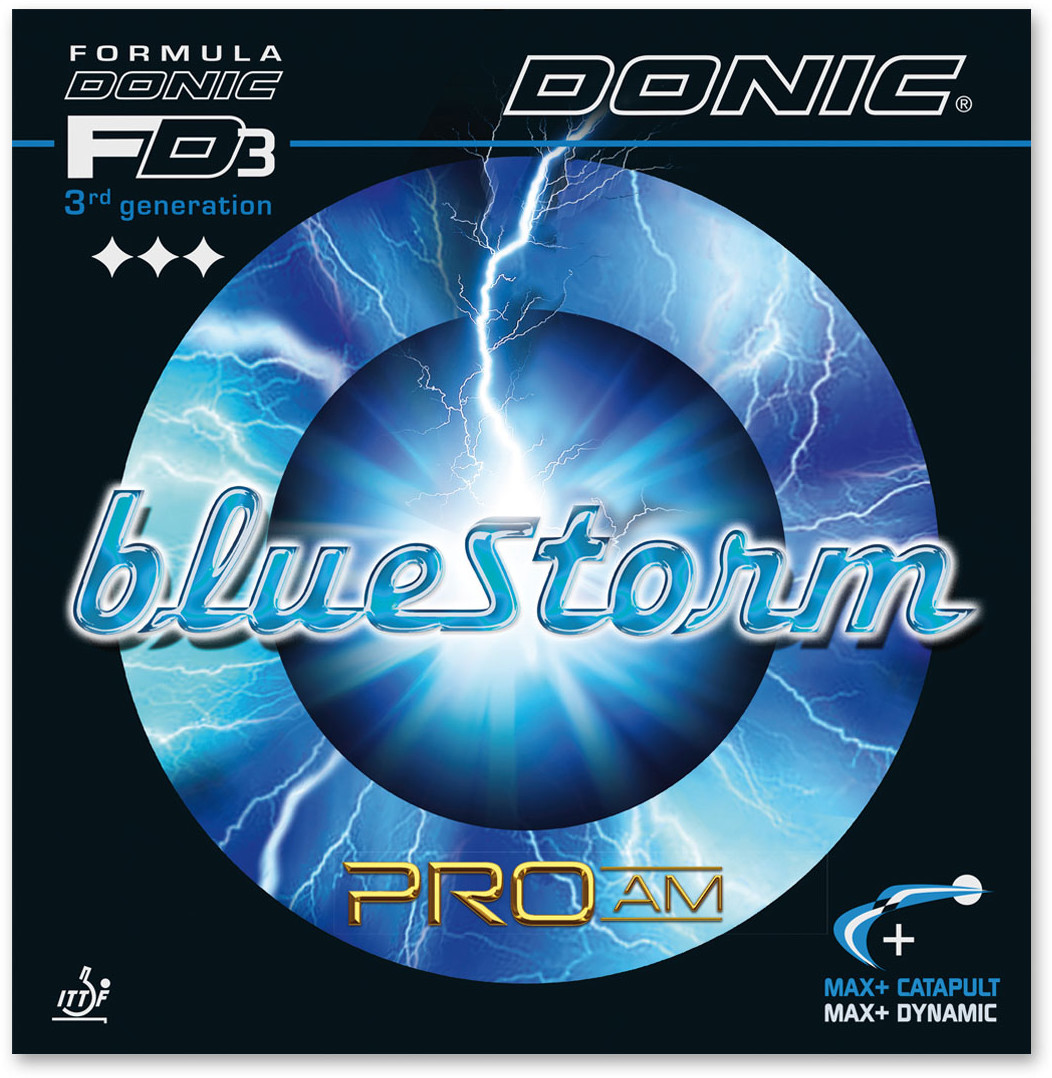
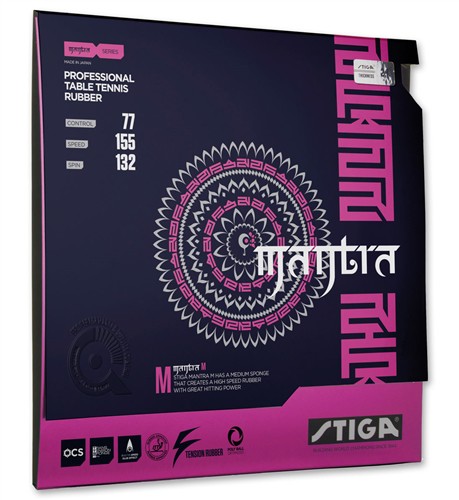
We may earn a commission from links on this page. Learn more.
Both rubbers deliver strong spin generation and balanced offensive play, though they cater to slightly different needs. The Bluestorm Pro AM impresses with its lighter weight (around 50g) and multi-gear responsiveness that scales with player power, making it forgiving for intermediate to advanced players. It outperforms on speed while maintaining excellent control, particularly as a backhand option.
Stiga Mantra M prioritizes control and a grippy topsheet that excels on serves and backspin lifts. Its lower price point and forgiving error margins make it appealing for budget-conscious players, though its topsheet durability can fade faster under regular use. The Bluestorm Pro AM demands more active technique but rewards with superior versatility across loop, block, and counter situations.
FAQ
Which is better for beginners?
Mantra M offers better forgiveness and control, but the Bluestorm Pro AM remains accessible with good balance and not excessively hard. Either suits developing intermediate players.
Which lasts longer?
Bluestorm Pro AM has reported solid durability, while Mantra M topsheet wears relatively quickly with regular play.
Best for backhand play?
Bluestorm Pro AM is specifically noted as especially well-suited to the backhand, while Mantra M works for either wing.
How different is the price?
Bluestorm Pro AM sits at a premium price, while Mantra M offers better value as a budget tensor alternative.