Donic Bluefire M2 vs Xiom Vega Asia: Which Should You Buy?
| Donic Bluefire M2 | Xiom Vega Asia | |
|---|---|---|
| Our rating | 8.4/10 | 7.8/10 |
| best_side | both | forehand or backhand |
| control | medium-high | 73 |
| speed | high | 90 |
| spin | high | 88 |
| sponge_hardness | around 42.5 to 45 degrees (medium) | 47.5 degrees |
| type | tensor inverted | inverted tensor (ESN) |
| weight_uncut_g | 68 | 68 |

We may earn a commission from links on this page. Learn more.
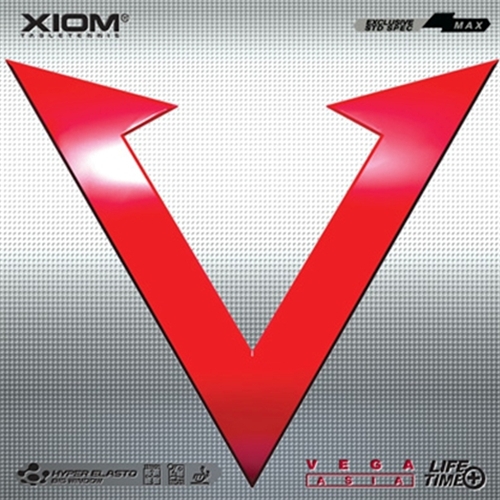
M2 (8.4) excels on backhand with grippy topsheet, high arc, and catapult strength at budget pricing. Vega Asia (7.8) prioritizes flat drive speed, smashing, and active blocking for Asian-style direct attack, working on both wings. M2 bounces on slow touches (short pushes go long); sponge fragile and shrinks when reglued. Vega Asia spin lags from standstill and topsheet chips within 1-2 months. Both are budget alternatives to premium ESN rubbers. M2 backhand-optimized for loopers; Vega Asia all-around for flat-hitters. M2 for backhand-focused players; Vega Asia for attack-first all-round players. Opposite philosophies—M2 spin-friendly, Vega Asia speed-friendly.
FAQ
Which is better on backhand?
M2 optimized for backhand. Vega Asia versatile on both wings equally.
Which excels at flat drives and speed attacks?
Vega Asia dominates speed and flat attacks. M2 favors topspin.
Which works on both wings equally?
Vega Asia versatile on both. M2 optimized for backhand specifically.
Which has better short game stability?
Vega Asia more stable. M2 bouncy on slow touches.
Which suits topspin loopers versus flat-hitters?
M2 for topspin-focused players. Vega Asia for direct attack specialists.