Donic Bluefire M2 vs Nittaku Fastarc P-1: Which Should You Buy?
| Donic Bluefire M2 | Nittaku Fastarc P-1 | |
|---|---|---|
| Our rating | 8.4/10 | 7.8/10 |
| best_side | both | forehand |
| control | medium-high | 8.5 |
| speed | high | 15.5 |
| spin | high | 12.25 |
| sponge_hardness | around 42.5 to 45 degrees (medium) | 47.5 degrees |
| type | tensor inverted | tensor |
| weight_uncut_g | 68 | 70 |
We may earn a commission from links on this page. Learn more.
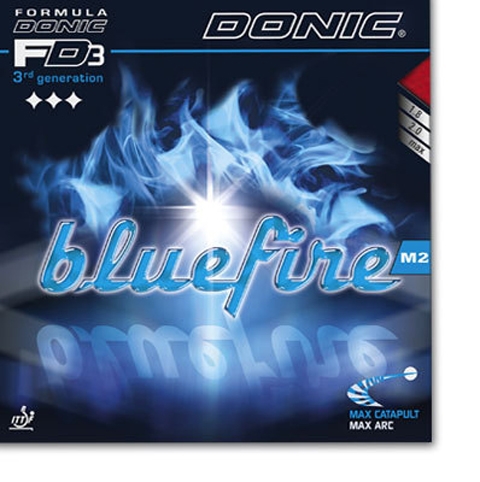
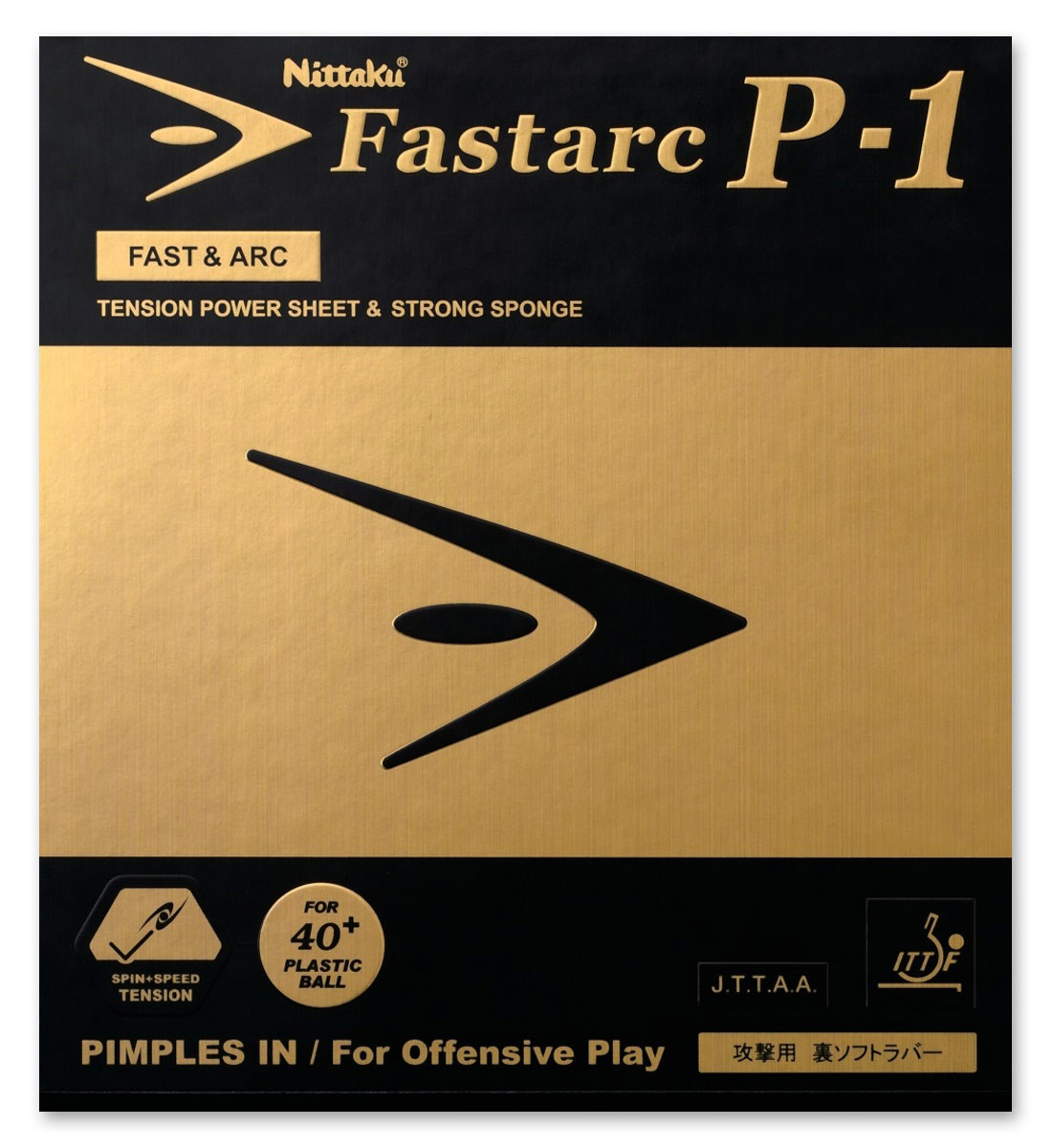
M2 (8.4) excels on backhand with grippy topsheet, high arc, and responsive catapult at budget pricing. P-1 (7.8) emphasizes high arc and spin sensitivity, rewarding full technically sound strokes and punishing weak or tentative ones. M2 bounces on slow touches (short pushes go long); sponge fragile and shrinks when reglued. P-1 is heavier (70g), very linear, demanding full-body commitment. M2 forgiving for backhand use; P-1 unforgiving and best for precision forehand specialists. Both suit close-to-mid distance, but M2 is dramatically more accessible. M2 for intermediate backhand users; P-1 only for advanced forehand specialists with flawless technique.
FAQ
Which is better for developing players?
M2 far more accessible. P-1 punishes weak strokes severely and demands advanced technique.
Which is better on backhand?
M2 optimized and excellent for backhand. P-1 forehand-focused.
Which is heavier?
P-1 at 70g significantly heavier than M2 at 68g.
Which has better durability?
P-1 better durability. M2 sponge fragile and shrinks when reglued.
Which rewards technique versus catapult?
P-1 rewards full commitment and technique. M2 catapult forgiving for looser swings.