Donic Bluefire M2 vs Nittaku Fastarc C-1: Which Should You Buy?
| Donic Bluefire M2 | Nittaku Fastarc C-1 | |
|---|---|---|
| Our rating | 8.4/10 | 8.4/10 |
| best_side | both | backhand or allround |
| control | medium-high | high |
| speed | high | 15.25 (Nittaku scale) |
| spin | high | 12.25 (Nittaku scale) |
| sponge_hardness | around 42.5 to 45 degrees (medium) | 45 degrees |
| type | tensor inverted | inverted / tensor |
| weight_uncut_g | 68 | approx 47 g (157 x 150 mm sheet) |
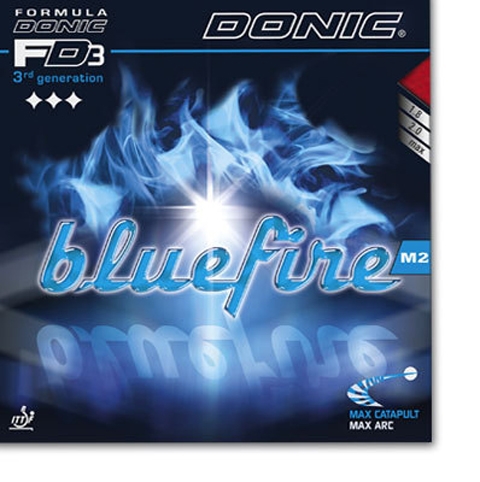
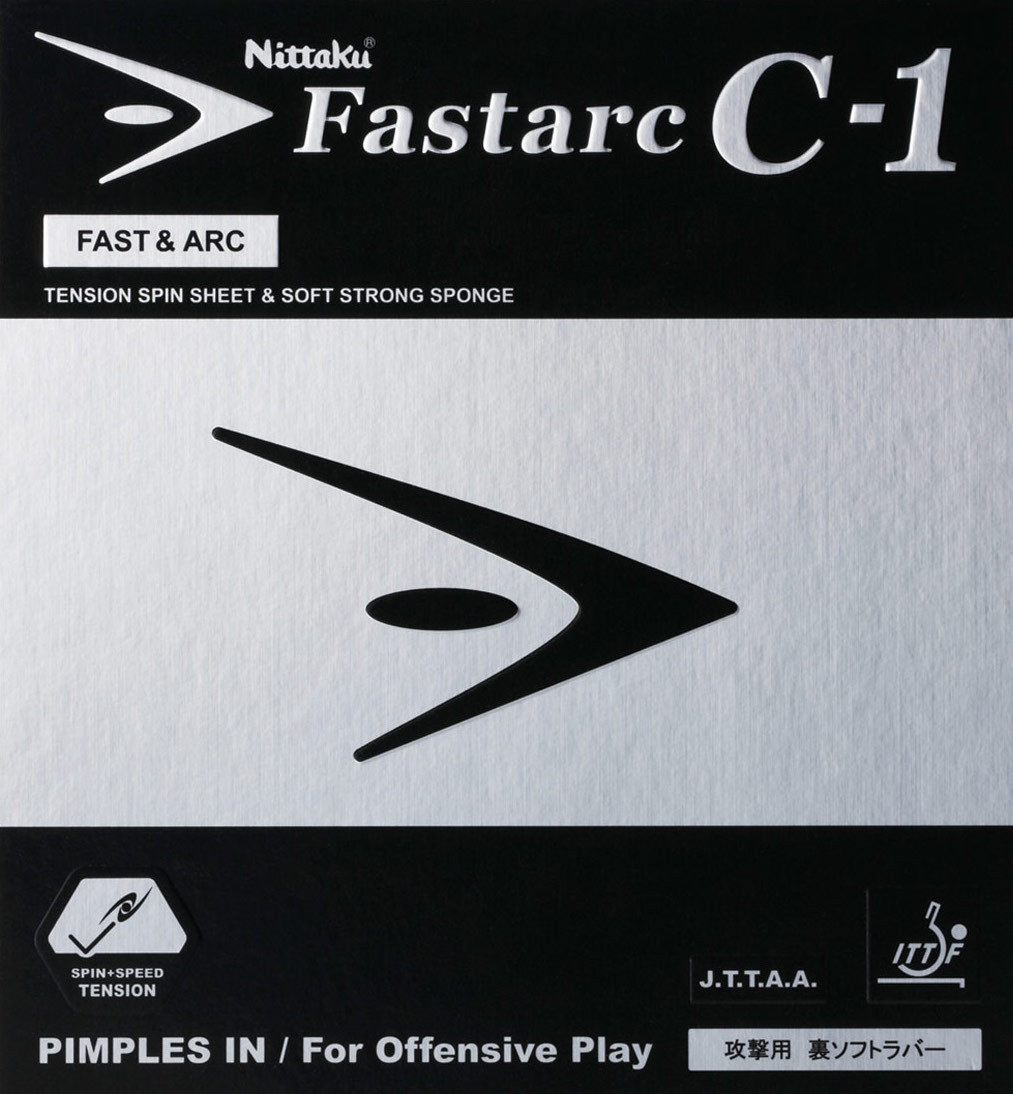
We may earn a commission from links on this page. Learn more.
Both are rated 8.4 and deliver exceptional value against premium Butterfly alternatives. The M2 is a lively, backhand-friendly medium-hardness tensor with strong catapult response to boosting; Fastarc C-1 is a forgiving all-rounder with outstanding spin and dwell on opening loops, a shared G-1 topsheet, and a high safety-margin arc. M2 suits intermediate-to-advanced loopers who play close-to-mid distance and value a high arc; C-1 suits intermediate-to-advanced offensive players (especially backhand users) who want premium tensor spin without the unforgiving demands of harder rubbers. M2’s bouncy nature can betray short pushes and passive blocks; C-1 excels at effortless passive blocks and consistency. Pick M2 if you boost and want responsive catapult; pick C-1 if you prioritize spin consistency and forgiving feel over raw top-end speed.
FAQ
Which rubber generates more spin passively?
Fastarc C-1 generates sharp spin passively with high dwell and consistency; M2 generates free spin more effectively with active strokes and benefits from boosting.
Which is better for passive blocks?
Fastarc C-1 excels at effortless passive blocks and close-to-table consistency thanks to its forgiving high arc. M2 can betray short pushes and passive blocks due to its bouncy nature.
Which lasts longer?
Fastarc C-1 features a durable topsheet that holds grip well over time. M2’s sponge is fragile, porous and shrinks noticeably when reglued, requiring more maintenance.