Donic Bluefire M2 vs Loki RXTON 1: Which Should You Buy?
| Donic Bluefire M2 | Loki RXTON 1 | |
|---|---|---|
| Our rating | 8.4/10 | 8.0/10 |
| best_side | both | both |
| control | medium-high | very high |
| speed | high | low to medium |
| spin | high | high |
| sponge_hardness | around 42.5 to 45 degrees (medium) | medium (around 38-39 degrees Chinese scale, roughly 50-52 ESN) |
| type | tensor inverted | tacky inverted (budget) |
| weight_uncut_g | 68 | 64 |
We may earn a commission from links on this page. Learn more.
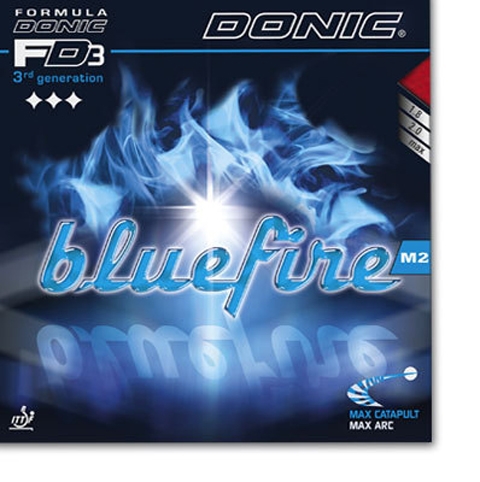
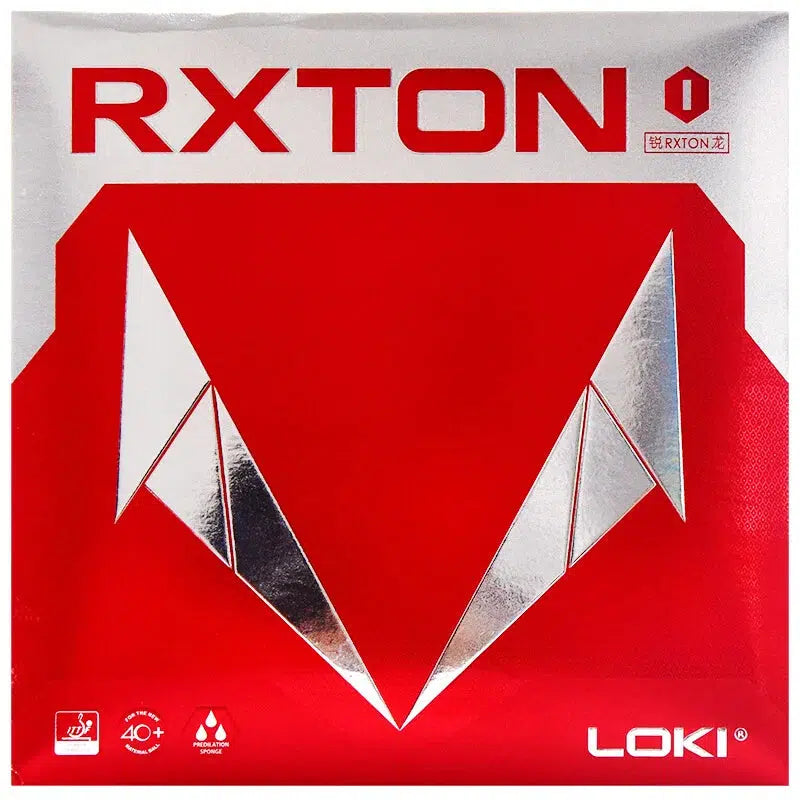
These rubbers target opposite needs. The Donic Bluefire M2 is a lively German tensor with a grippy topsheet, high arc, and strong catapult that loves flicks, loops, and sidespin on the backhand. The Loki RXTON 1 is a budget tacky inverted sheet built around control: easy to keep on the table, usable spin, and so cheap you can swap it monthly.
The contrast is speed versus safety. The M2 brings real pace and spin but is bouncy on slow touches, so short pushes and passive blocks can sail long. The RXTON 1 is low on outright speed with only mild, fading tack, but its very high control makes it hard to miss.
Choose the Bluefire M2 if you are an intermediate-to-advanced looper who wants a fast, spinny backhand at a sensible price. Choose the RXTON 1 if you are a beginner or control player building a first custom racket and value placement and forgiveness over power.
FAQ
Which is better for beginners?
The Loki RXTON 1. It is light, very controllable, and inexpensive, while the springy Bluefire M2 can send passive shots long and suits more developed players.
Which has more speed and spin?
The Donic Bluefire M2, with high speed, high spin, and a strong catapult that responds to boosting. The RXTON 1 is low to medium speed with usable but milder spin.
Which is cheaper?
The Loki RXTON 1, at roughly 15 dollars a sheet, so cheap you can replace it often as a training or backhand rubber.