Donic Bluefire M2 vs JOOLA Dynaryz ZGR: Which Should You Buy?
| Donic Bluefire M2 | JOOLA Dynaryz ZGR | |
|---|---|---|
| Our rating | 8.4/10 | 8.3/10 |
| best_side | both | forehand |
| control | medium-high | Medium-High |
| speed | high | Extreme |
| spin | high | Extreme |
| sponge_hardness | around 42.5 to 45 degrees (medium) | 57.5 degrees Shore C (hard) |
| type | tensor inverted | hybrid tacky tensor (pimples-in) |
| weight_uncut_g | 68 | approx 56g (cut to 157x150mm) |
We may earn a commission from links on this page. Learn more.
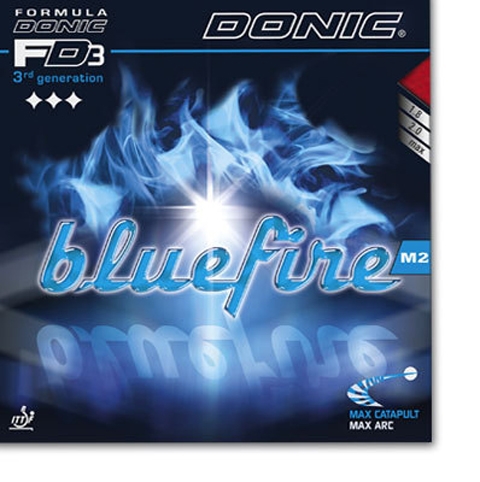
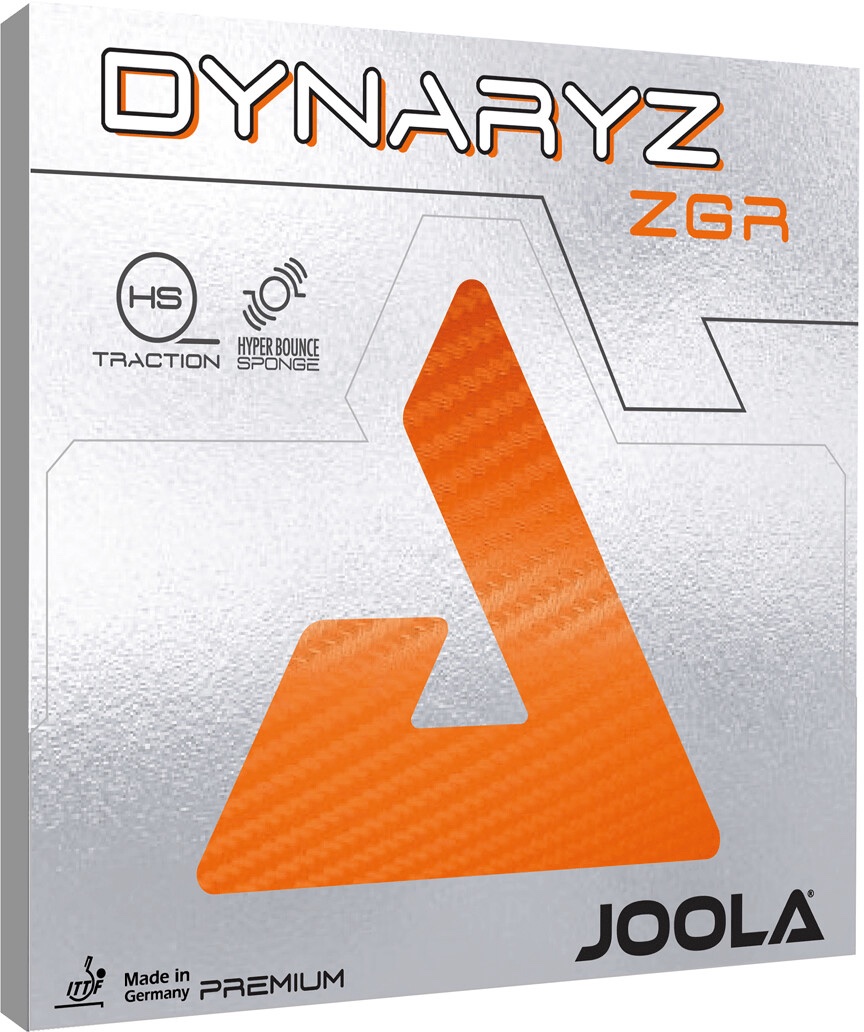
The M2 (8.4) is a mid-hardness tensor optimized for backhand performance with high spin and catapult on both wings. Dynaryz ZGR (8.3) is a hard tacky-tensor hybrid (57.5 degrees) designed for advanced forehand attackers and power loopers at mid-to-long distance, bringing Chinese-style spin with tensor catapult. M2 excels on backhand and enjoys boosting; ZGR is forehand-specialist with extreme spin output but demands very high racket speed and punishes sloppy technique. M2 is significantly lighter (68g) and more forgiving on short serves and passive blocks; ZGR is heavier at approx 56g cut and durability of the tacky feel fades after around two months. Both reach high spin and speed, but M2 prioritizes versatility and control while ZGR chases extreme spin power for serious attacking players.
FAQ
Which rubber is better for backhand play?
Bluefire M2 is excellent for backhand flicks, loops, blocks and sidespin, while Dynaryz ZGR is forehand-specialist. ZGR’s hardness and extreme feel are not optimized for backhand touch.
Which has more extreme spin?
Both reach high or extreme spin, but ZGR emphasizes exceptional spin for topspin loops and counter-loops via hybrid tacky-tensor construction. M2 offers very high spin with better control balance.
Which is more durable?
M2 offers longer-term durability with porous sponge that responds well to boosting. ZGR’s tacky topsheet durability fades after around two months of heavy use.