DHS Skyline TG3 vs Tibhar Evolution MX-S: Which Should You Buy?
| DHS Skyline TG3 | Tibhar Evolution MX-S | |
|---|---|---|
| Our rating | 8.2/10 | 8.4/10 |
| best_side | forehand | Forehand |
| control | 8.0 | High |
| speed | 7.5 | OFF |
| spin | 9.5 | Very High (11.5 on Tibhar scale, highest in Evolution range) |
| sponge_hardness | 38-40 degrees | around 47.3 degrees (hard) |
| type | tacky Chinese inverted | Inverted tensor (ESN) |
| weight_uncut_g | 63 | 76 g (2.1-2.2 mm uncut sheet) |
We may earn a commission from links on this page. Learn more.
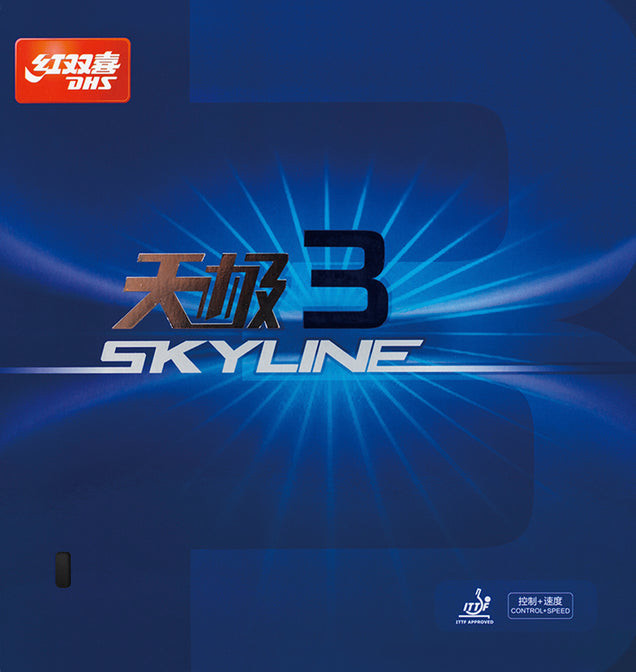
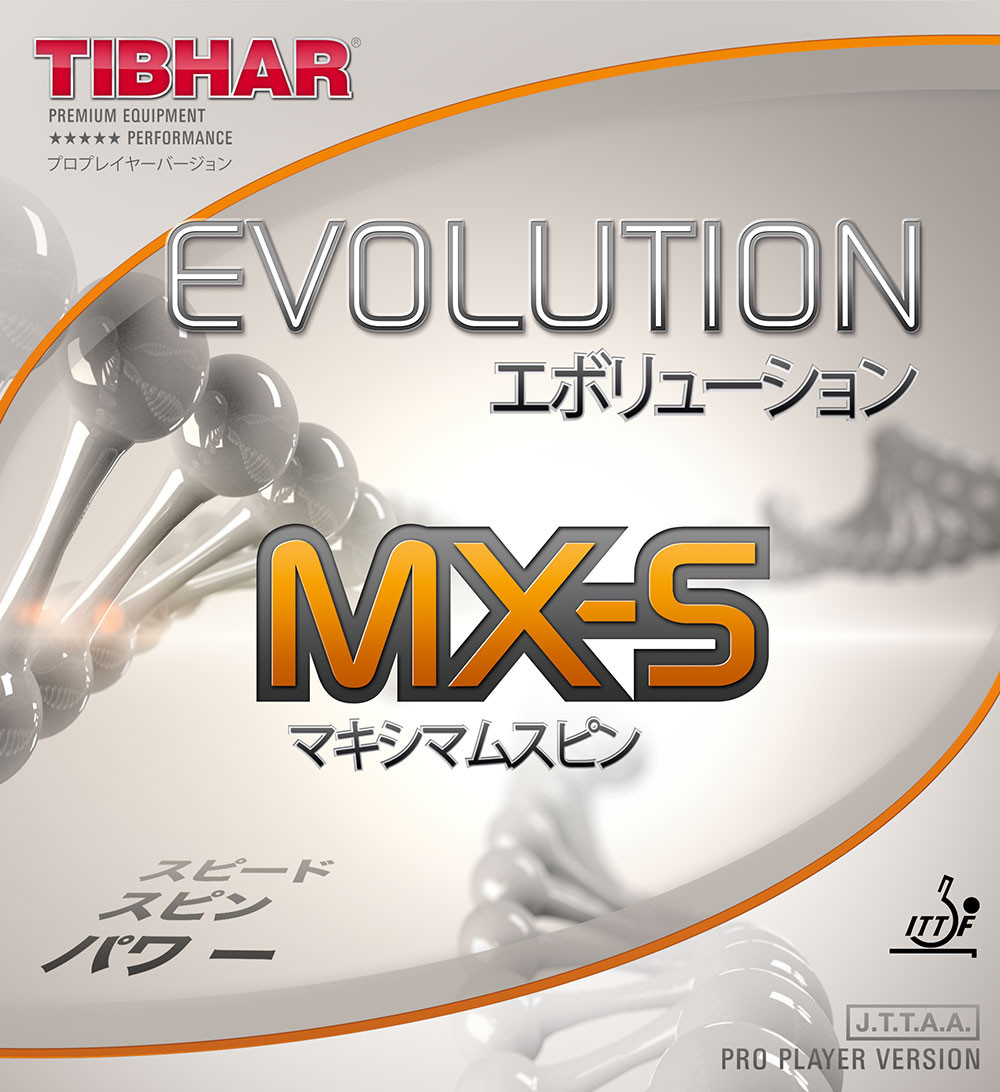
DHS Skyline TG3 and Tibhar Evolution MX-S both chase maximum spin but through opposing materials. Skyline generates 9.5 mechanical spin through tackiness; MX-S generates 9.5-11.5 sponge spin through hard tensor design and exceptional output rating.
Skyline is forehand specialist with low throw. MX-S is forehand performer with wide gear range. MX-S is heaviest Evolution rubber at 76g uncut, demanding strong technique. MX-S excels at blocking and short game despite hardness. Skyline excels at serves and close-table feel. MX-S durability declines after 6 months. Skyline maintains tackiness longer. Both demand advanced technique. Choose Skyline for Chinese looping and serve dominance. Choose MX-S for professional players prioritizing high-spin looping and precise serve placement with solid blocking.
FAQ
Which generates more spin?
Tibhar Evolution MX-S. Its 11.5 Tibhar-scale spin (highest Evolution range) exceeds Skyline’s 9.5.
Which is heavier?
Tibhar Evolution MX-S at 76g uncut is the heaviest rubber in this comparison. Skyline at 63g is 13g lighter.
Which is better for blocking?
Tibhar Evolution MX-S. Its hard sponge with low spin sensitivity makes consistent blocking exceptional.
Which is easier to play?
DHS Skyline TG3. MX-S demands strong technique—not forgiving. Skyline feedback is clearer.
How do durabilities compare?
Skyline topsheet durability is stable. Tibhar Evolution MX-S declines after 6 months of intensive play.