DHS Skyline TG3 vs Stiga Mantra M: Which Should You Buy?
| DHS Skyline TG3 | Stiga Mantra M | |
|---|---|---|
| Our rating | 8.2/10 | 8.2/10 |
| best_side | forehand | Backhand or Forehand |
| control | 8.0 | High |
| speed | 7.5 | High |
| spin | 9.5 | High |
| sponge_hardness | 38-40 degrees | Medium (approx 45 degrees) |
| type | tacky Chinese inverted | Inverted / Pimples-in |
| weight_uncut_g | 63 | approx 64 |
We may earn a commission from links on this page. Learn more.
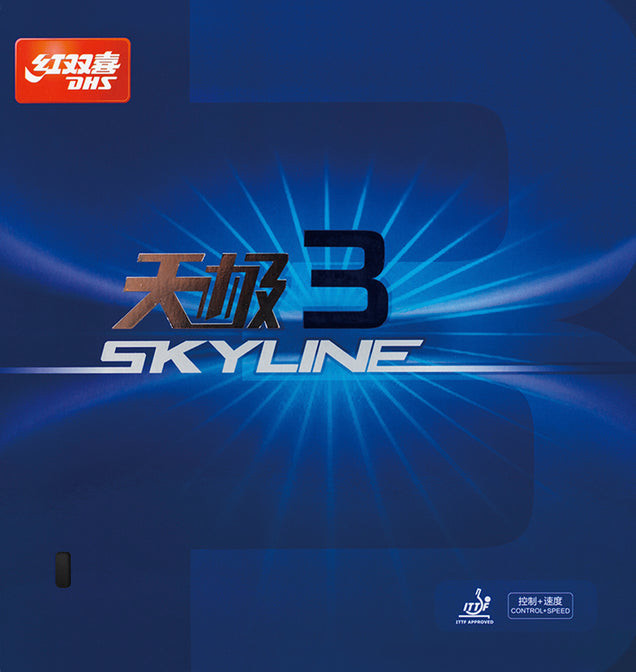
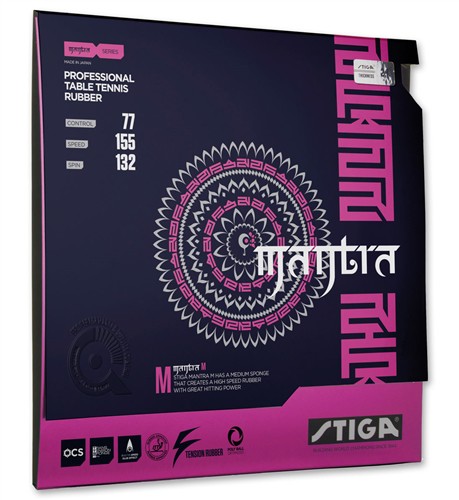
DHS Skyline TG3 and Stiga Mantra M contrast sharply in design philosophy. Skyline specializes in mechanical spin through tackiness, delivering 9.5 spin at the cost of a steep learning curve and forehand-only positioning. Mantra M specializes in balance: excellent spin (high rating), dramatic arc, very good control, works on both forehand and backhand.
Skyline is unforgiving—poor footwork or contact immediately visible. Mantra M is forgiving—high arc provides generous error margins. Mantra M topsheet wears relatively quickly; Skyline maintains tackiness longer. Mantra M is intermediate-appropriate; Skyline is advanced-appropriate. Both are solid-value rubbers. Choose Skyline for pure spin mastery and budget Chinese looping. Choose Mantra M for balanced intermediate attackers wanting forgiveness, multi-wing capability, and Tenergy-like performance at lower cost.
FAQ
Which works on both forehand and backhand?
Stiga Mantra M explicitly works on both wings. Skyline is forehand-only.
Which is more forgiving?
Stiga Mantra M. Its high arc and control rating (High vs Skyline’s 8.0) make it more forgiving on mishits.
How long before Mantra M’s topsheet wears?
Relatively quickly under regular play. Skyline maintains topsheet tactility longer.
Which is cheaper?
DHS Skyline TG3 at budget pricing. Stiga Mantra M is mid-tier cost.
Which suits intermediate players better?
Stiga Mantra M. Its balance and forgiveness suit developing attackers. Skyline steep learning curve.