DHS Skyline TG3 vs Nittaku Fastarc P-1: Which Should You Buy?
| DHS Skyline TG3 | Nittaku Fastarc P-1 | |
|---|---|---|
| Our rating | 8.2/10 | 7.8/10 |
| best_side | forehand | forehand |
| control | 8.0 | 8.5 |
| speed | 7.5 | 15.5 |
| spin | 9.5 | 12.25 |
| sponge_hardness | 38-40 degrees | 47.5 degrees |
| type | tacky Chinese inverted | tensor |
| weight_uncut_g | 63 | 70 |
We may earn a commission from links on this page. Learn more.
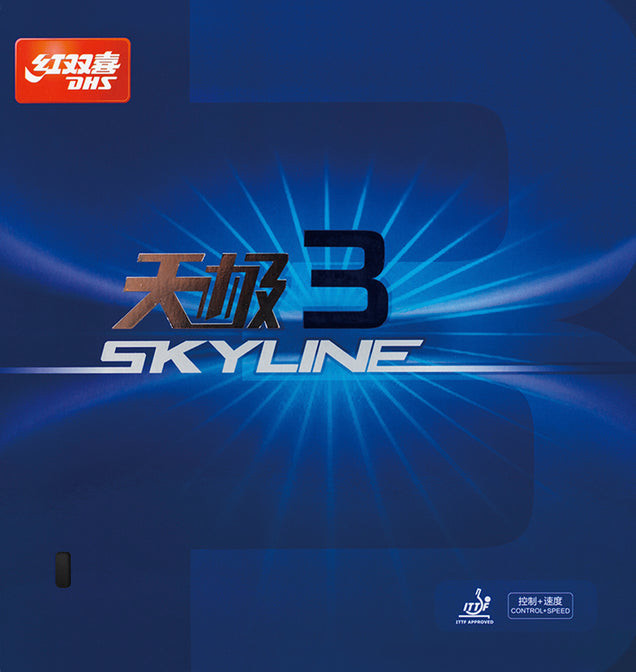
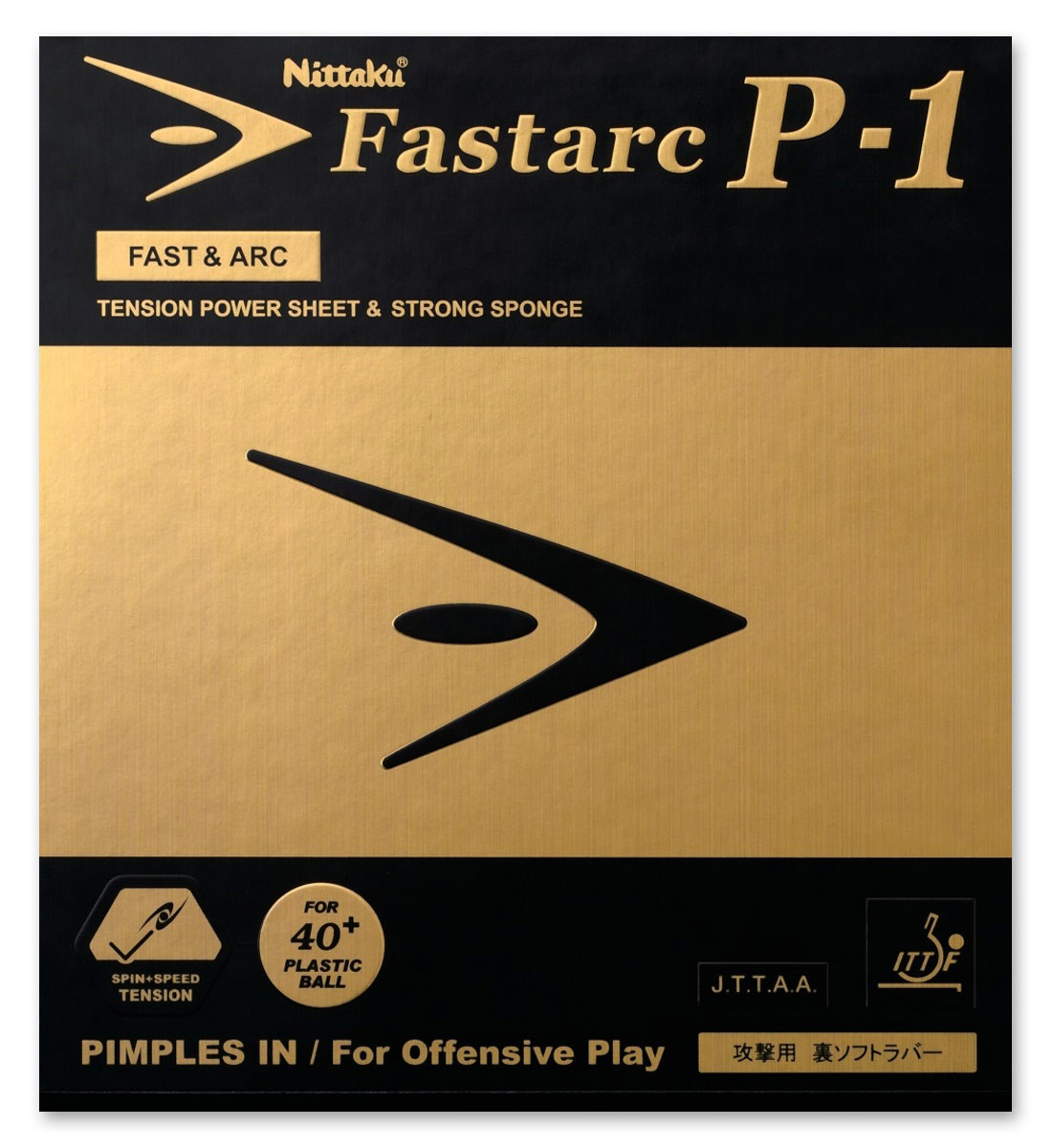
DHS Skyline TG3 and Nittaku Fastarc P-1 both demand committed technique but from different angles. Skyline punishes footwork errors and rewards mechanical grip. P-1 punishes tentative strokes and rewards precision, offering impressive spin output on power loops despite soft in-play feel.
Skyline’s 9.5 spin is mechanical and consistent. P-1 generates 12.25 spin through high arc and dwell time but requires full acceleration. P-1 is lighter (70g uncut) and lower-speed than other tensors, making it more accessible for developing forehand mechanics. Skyline is heavier and demands fast blades. Both are forehand-focused and unforgiving. P-1 suits committed loopers who prioritize spin over speed. Skyline suits close-to-table specialists. Choose Skyline for serve mastery and mechanical spin. Choose P-1 for high-arc opening loops and spin-capable power.
FAQ
Which rubber is faster?
Nittaku Fastarc P-1 at 15.5 speed is faster than Skyline at 7.5. Both are slow-to-moderate by tensor standards.
Which is better for serving?
DHS Skyline TG3. Its tacky grip excels at serve spin and variation. P-1 lacks tactile feedback for precise serve control.
Can either be used on backhand?
Both are forehand-focused. P-1 is specifically not recommended for backhand due to linear demand. Skyline forehand-only anyway.
Which requires more arm speed?
Nittaku Fastarc P-1. It is very linear and demands full acceleration. Skyline is forgiving of tempo variation if footwork is correct.
How do weights compare?
P-1 is 70g uncut; Skyline is 63g. P-1 slightly heavier and more demanding to swing despite lower hardness.