DHS Skyline TG3 vs Donic Bluestorm Pro AM: Which Should You Buy?
| DHS Skyline TG3 | Donic Bluestorm Pro AM | |
|---|---|---|
| Our rating | 8.2/10 | 8.4/10 |
| best_side | forehand | backhand / all-round forehand |
| control | 8.0 | 9.2 |
| speed | 7.5 | 9.1 |
| spin | 9.5 | 9.4 |
| sponge_hardness | 38-40 degrees | 47.5 degrees |
| type | tacky Chinese inverted | inverted |
| weight_uncut_g | 63 | 50 |
We may earn a commission from links on this page. Learn more.
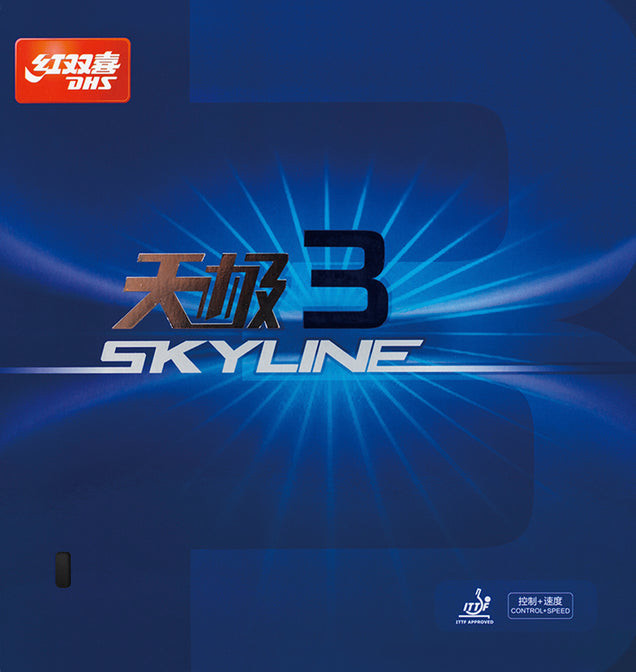
DHS Skyline TG3 and Donic Bluestorm Pro AM share an interest in multi-gear performance but execute very differently. Skyline is a specialist: extreme tackiness and 9.5 spin dominate, with lower speed and a steep learning curve. Its value lies in cost and spin ceiling for committed Chinese-style players.
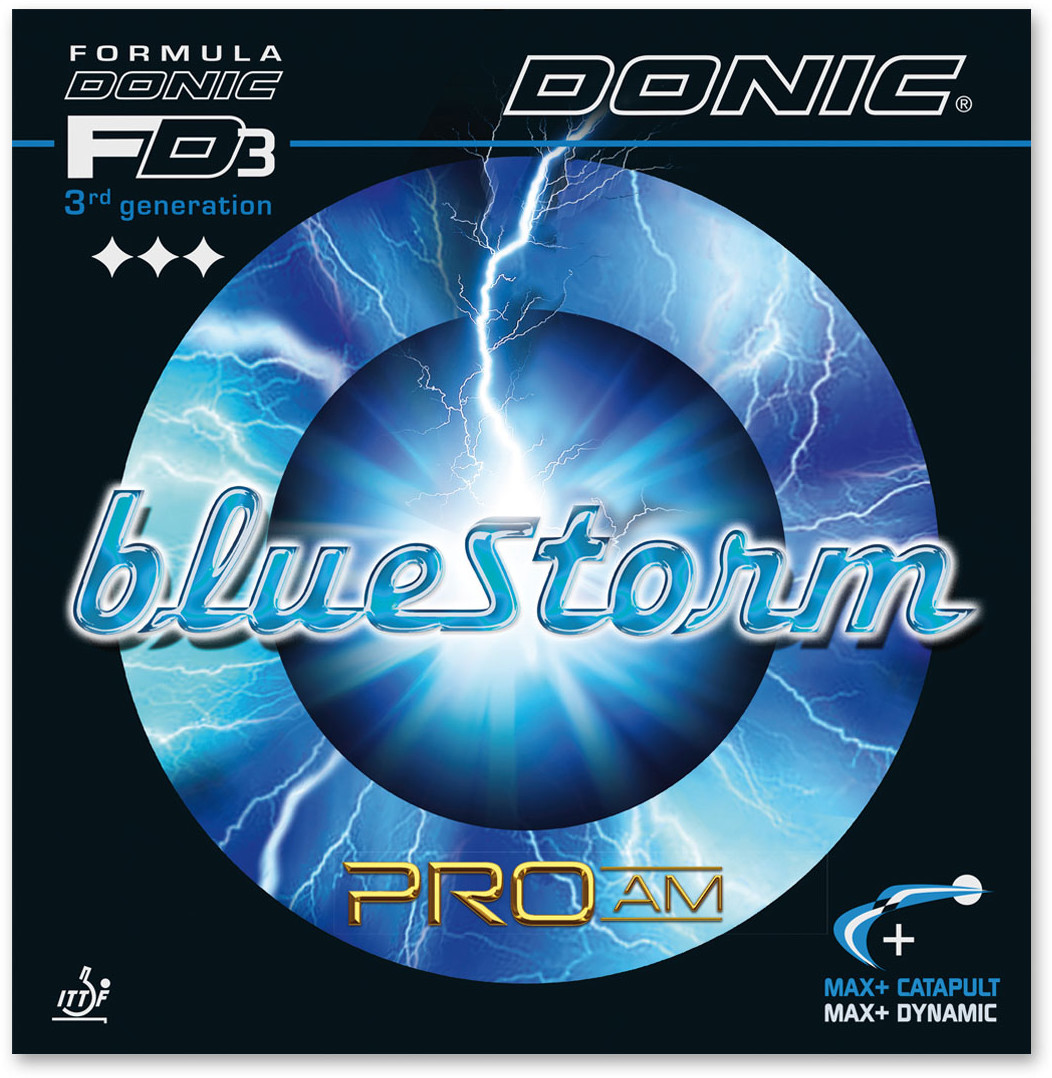
Bluestorm Pro AM is a versatile all-rounder: 9.4 spin with 9.1 speed, solid control at 9.2, and performance that scales with your effort. Its slightly tacky topsheet and lighter weight (50g) make it forgiving across the full stroke repertoire. Bluestorm Pro AM costs more but rewards less specialized technique. Choose Skyline for pure spin specialization and budget pricing; choose Pro AM if you want elite performance across loops, blocks, counters, and serves with fewer technique demands.
FAQ
Which rubber is more expensive?
Donic Bluestorm Pro AM is significantly pricier due to its premium materials and German manufacturing. Skyline offers near-elite performance at a fraction of the cost.
Which works better on a flex blade?
Donic Bluestorm Pro AM. It is more forgiving and versatile with slower blades. Skyline needs a fast or composite blade to reach its potential.
Can I use either rubber on both forehand and backhand?
Skyline is forehand-focused. Bluestorm Pro AM is explicitly designed for versatile use, though commonly used as a backhand rubber.
Which has better serve performance?
DHS Skyline TG3. Its tacky topsheet generates heavier mechanical spin and more variation options for serves. Pro AM’s serve spin is good but less dominant.