DHS Skyline TG3 vs Donic Bluefire M2: Which Should You Buy?
| DHS Skyline TG3 | Donic Bluefire M2 | |
|---|---|---|
| Our rating | 8.2/10 | 8.4/10 |
| best_side | forehand | both |
| control | 8.0 | medium-high |
| speed | 7.5 | high |
| spin | 9.5 | high |
| sponge_hardness | 38-40 degrees | around 42.5 to 45 degrees (medium) |
| type | tacky Chinese inverted | tensor inverted |
| weight_uncut_g | 63 | 68 |
We may earn a commission from links on this page. Learn more.
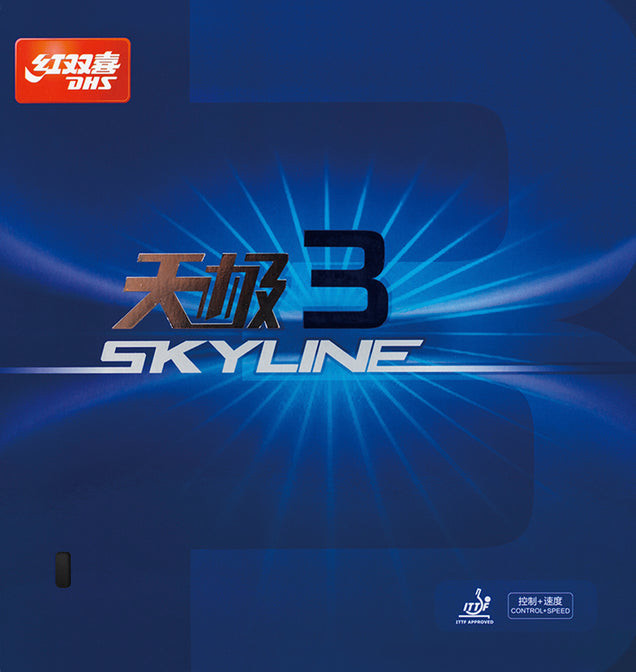
DHS Skyline TG3 and Donic Bluefire M2 diverge sharply in scope. Skyline is purely forehand-focused, optimizing mechanical spin through tackiness and low trajectory for close-to-table dominance. Its 9.5 spin rating rewards proper Chinese looping but offers limited versatility elsewhere.
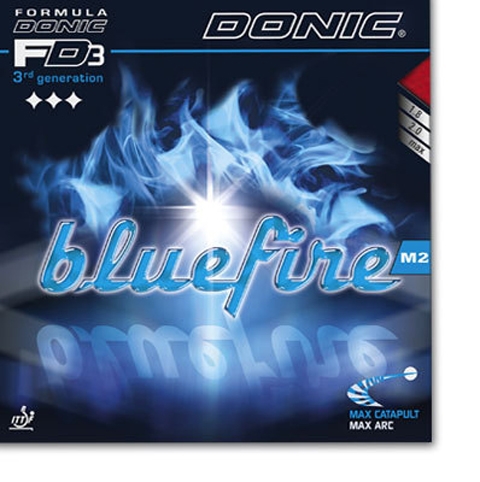
Bluefire M2 is built for flexibility: usable on both wings, featuring a grippy topsheet with high arc and surprising speed. Its medium hardness and catapult make it forgiving for intermediate players, though its bouncy nature punishes short pushes and passive blocks. For specialists seeking maximum spin and control in one setup, Skyline wins. For balanced forehand-backhand attackers, M2 delivers more forgiveness and range.
FAQ
Can I use Bluefire M2 on my backhand?
Yes. Unlike Skyline which is forehand-only, M2 is designed for both wings. Many players favor it specifically for backhand loops and flicks.
Which rubber is better for beginners transitioning to intermediate?
Donic Bluefire M2. Its high arc and catapult are more forgiving. Skyline requires developed Chinese looping technique and punishes poor footwork.
How do these handle short pushes?
Skyline handles pushes excellently due to tackiness and touch control. Bluefire M2 tends to bounce long on slow touches, making short passive pushes difficult.
Which degrades faster?
Donic Bluefire M2. Sponge shrinkage occurs when reglued, and topsheet durability drops noticeably under boosting or with sweaty play.