DHS Hurricane 3 National Blue Sponge vs Tibhar Hybrid K3: Which Should You Buy?
| DHS Hurricane 3 National Blue Sponge | Tibhar Hybrid K3 | |
|---|---|---|
| Our rating | 8.4/10 | 8.3/10 |
| best_side | Forehand | FH |
| control | 70 | medium-high |
| speed | 91 | offensive (low OFF, between Evolution MX-S and MX-P) |
| spin | 98 | high |
| sponge_hardness | 39-42 degrees (varies by batch; commonly 40 or 41 deg) | hard, approximately 53 degrees on the ESN scale |
| type | Inverted / Tacky | tacky hybrid |
| weight_uncut_g | approx 70-73 g uncut | 70 |
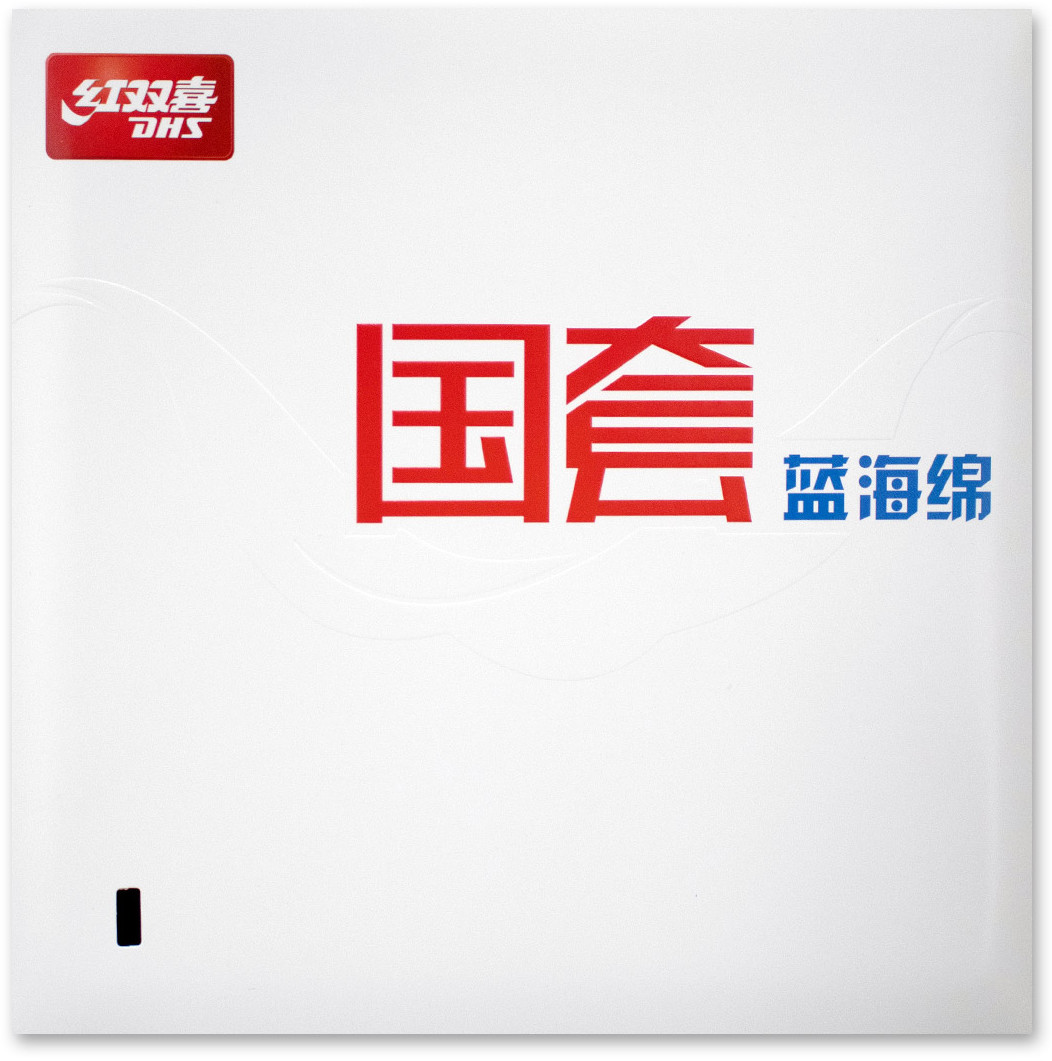
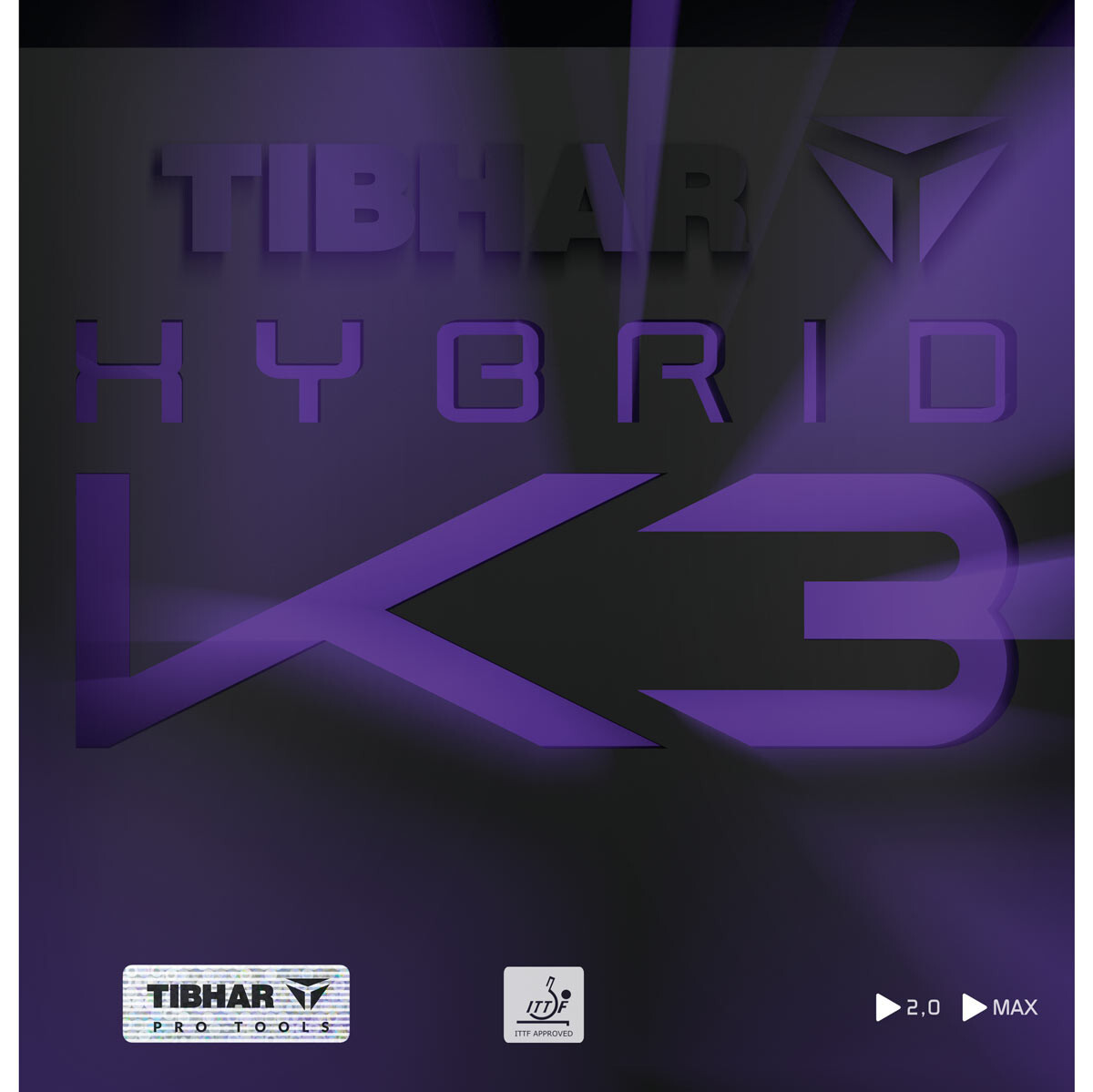
We may earn a commission from links on this page. Learn more.
The standout number: a 3.4-point durability gap
Across the six measured axes, Tibhar Hybrid K3 trails DHS Hurricane 3 National Blue Sponge on five of them, and nowhere is the gap larger than durability: 8.4 for Hurricane 3 National against just 5.0 for Hybrid K3, a full 3.4-point swing — the largest durability gap anywhere in this rubber category. That number is not an abstraction; Hybrid K3’s own documented con confirms it directly, describing “poor durability” as the “universal complaint,” with tackiness and spin fading in “weeks to roughly two months.” Hurricane 3 National, by contrast, offers “long durability when not over-boosted.” If you train several sessions a week, this single axis should weigh heavily on your decision, because Hybrid K3’s high price gets worse the more often you have to replace the sheet.
Where Hurricane 3 National leads, and by how much
Beyond durability, Hurricane 3 National holds a real edge on speed (9.2 vs 8.8, a 0.4-point gap), spin (9.6 vs 9.2, also 0.4), and control (9.2 vs 8.9, 0.3). None of these three is enormous individually, but they stack in the same direction, and combined with the durability gap they paint a fairly clear picture: on raw measured performance, Hurricane 3 National is simply the stronger rubber across most axes that matter to a looping game.
The one axis where Hybrid K3 actually wins
Throw is the exception, and it is a meaningful one. Hybrid K3 scores 6.2 against Hurricane 3 National’s 5.6, a 0.6-point advantage in Hybrid K3’s favor. Its documented pro spells out why this matters: “high throw angle gives plenty of safety over the net and forgiving opening loops.” Hurricane 3 National’s own con list confirms the opposite problem — a low throw angle that “makes consistent looping harder to learn.” If you struggle to clear the net safely when opening against backspin, that 0.6-point throw edge for Hybrid K3 is a real, practical advantage that the rest of the axis data does not capture.
Why Hybrid K3 still has a following despite the numbers
Hybrid K3’s own review data explicitly positions it as “a cheaper, slightly bouncier alternative to Dignics 09C with a very similar character,” alongside a “crisp, direct, speed-glue-like feel with a satisfying clicky sound on drives and smashes” that reviewers on Revspin, RacketInsight, and the Tabletennis11 blog all call out. That is a specific sensory and playing-feel proposition that raw axis numbers don’t fully represent — some players will pay the durability tax for that particular feel and blocking response, which Hybrid K3’s pros describe as “superb, fast-yet-controllable” with “phenomenal active counter-drives.”
Sponge hardness tells you why K3 wears out faster
The spec rows show Hybrid K3’s sponge hardness at roughly 53 on the ESN scale — notably harder than Hurricane 3 National’s 39 to 42 — while both rubbers weigh about 70 grams uncut. A harder sponge under a tacky-hybrid topsheet is more prone to losing its surface grip and spin response under repeated impact, which lines up with the two-month durability window Hybrid K3 reviewers report.
Should you switch?
If you’re currently on Hybrid K3 and training frequently enough that replacing rubber every four to eight weeks is a real cost, moving to Hurricane 3 National gets you more spin, more control, more speed, and dramatically better durability — at the cost of a lower throw angle and the boosting routine Hurricane 3 requires. If you’re on Hurricane 3 National and want a marginally more forgiving arc on opening loops with a distinct Dignics-adjacent feel, Hybrid K3 delivers that specific niche, provided you accept both its price and its short lifespan as a fair trade for the sensation.
Bottom line
This is one of the few pairs in this data set where one rubber leads on nearly every axis. Hurricane 3 National wins speed, spin, control, and durability by real margins; Hybrid K3’s only genuine numeric advantage is throw, backed by a specific feel and blocking profile that its reviewers value enough to accept a documented durability weakness of 3.4 points.
Frequently asked questions
Does Tibhar Hybrid K3 wear out faster than DHS Hurricane 3 National?
Yes, significantly. Durability scores 5.0 for Hybrid K3 against 8.4 for Hurricane 3 National, a 3.4-point gap, and Hybrid K3's own review data describes tackiness and spin fading within weeks to about two months of regular play.
Is Tibhar Hybrid K3 better for opening loops against backspin?
On throw angle, yes -- it scores 6.2 against Hurricane 3 National's 5.6, and its documented strength is a high throw angle that gives forgiving opening loops. Hurricane 3 National's own cons flag the opposite: a low throw angle that makes looping harder to learn.
Is Hybrid K3 a cheaper alternative to Dignics 09C?
Reviewers describe it that way -- a cheaper, slightly bouncier alternative to Dignics 09C with a very similar character is listed directly among its pros, though it does not fully match tacky Chinese rubbers or a well-executed Hurricane 3 loop for outright spin.
Which rubber has more spin, Hurricane 3 National or Hybrid K3?
Hurricane 3 National, by 0.4 points (9.6 vs 9.2). Hybrid K3's own con list acknowledges this directly, noting its spin does not reach true tacky Chinese rubbers or a well-executed Hurricane 3 loop.