DHS Hurricane 3 National Blue Sponge vs Nittaku Fastarc P-1: Which Should You Buy?
| DHS Hurricane 3 National Blue Sponge | Nittaku Fastarc P-1 | |
|---|---|---|
| Our rating | 8.4/10 | 7.8/10 |
| best_side | Forehand | forehand |
| control | 70 | 8.5 |
| speed | 91 | 15.5 |
| spin | 98 | 12.25 |
| sponge_hardness | 39-42 degrees (varies by batch; commonly 40 or 41 deg) | 47.5 degrees |
| type | Inverted / Tacky | tensor |
| weight_uncut_g | approx 70-73 g uncut | 70 |
We may earn a commission from links on this page. Learn more.
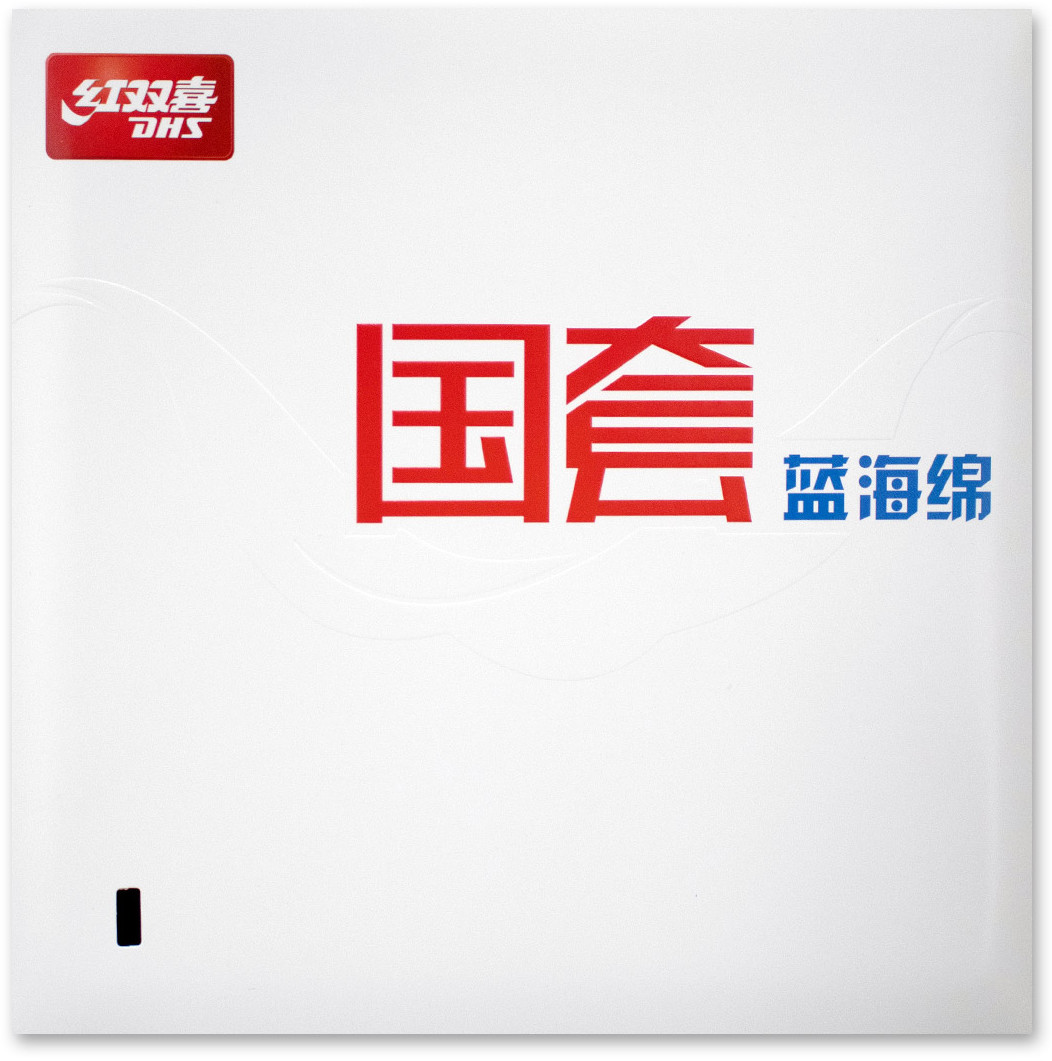
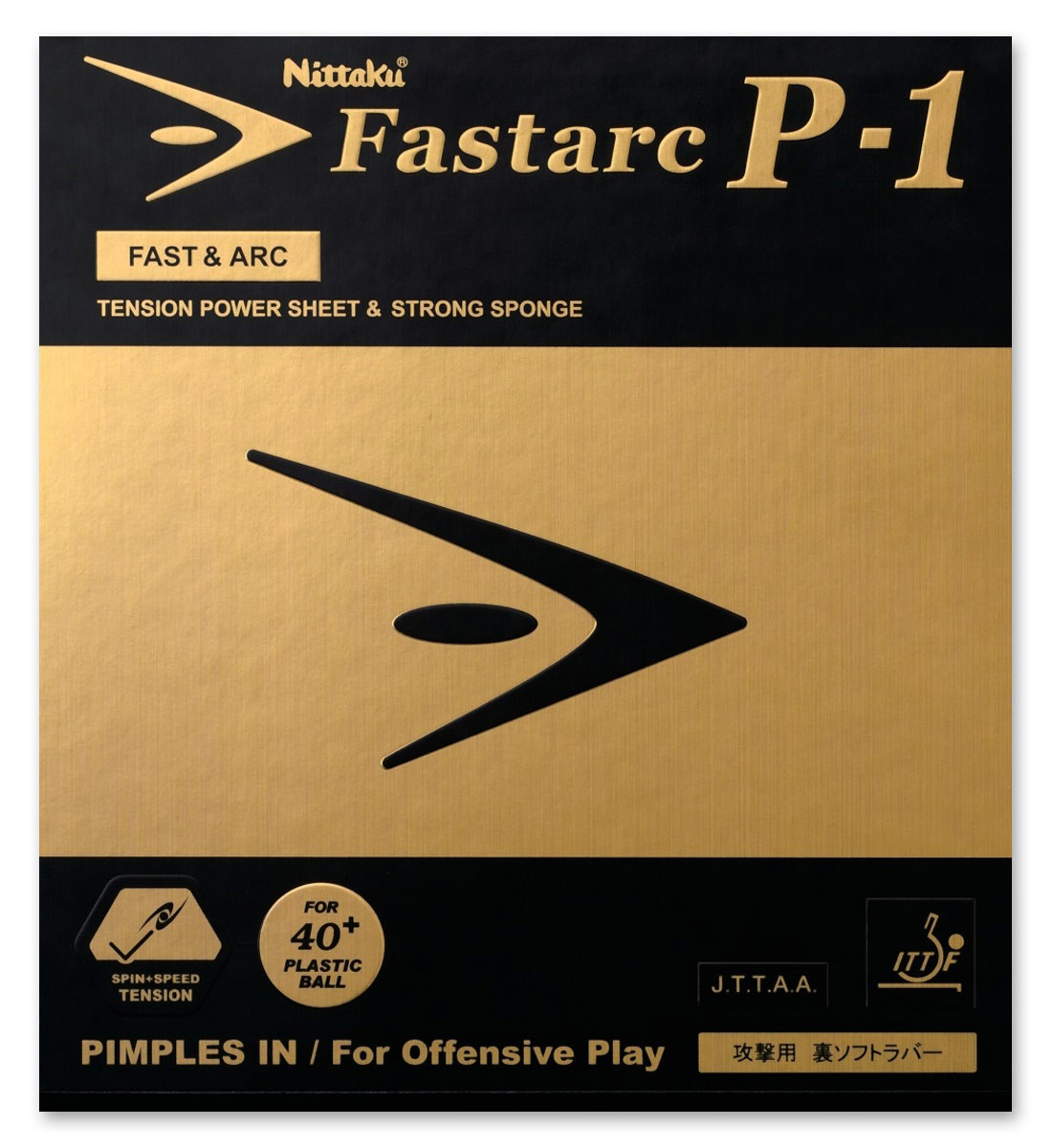
National Blue Sponge is the spin ceiling of table tennis, unmatched by any other rubber. Nittaku Fastarc P-1 balances impressive spin output with a high throw angle and lower spin sensitivity, making it more consistent for developing technique.
National Blue requires boosting, elite technique, and one week of prep. Fastarc P-1 demands commitment to full, technically sound strokes but is more forgiving. National Blue dominates opponents through mechanical spin; Fastarc wins through consistency and safety margin.
FAQ
Which has the higher throw angle?
Fastarc P-1. Its high throw angle provides generous safety margin; National Blue’s low angle requires precise footwork.
Which is more forgiving?
Fastarc P-1. Low spin sensitivity makes blocking and counterlooping consistent. National Blue punishes tentative or imperfect strokes.
Which is lighter?
Fastarc P-1 at 70g uncut versus National Blue at approximately 70-73g—nearly identical weight.
Does Fastarc P-1 need boosting?
No. National Blue requires approximately one week of preparation and boosting.
Which is better for opening against heavy backspin?
National Blue. Fastarc P-1 requires greater precision when opening against heavy spin.