DHS Gold Arc 5 vs Yinhe Mercury II: Which Should You Buy?
| DHS Gold Arc 5 | Yinhe Mercury II | |
|---|---|---|
| Our rating | 8.0/10 | 8.2/10 |
| best_side | backhand | both |
| control | very high | very high |
| speed | ALL-OFF | medium |
| spin | high | high |
| sponge_hardness | 42.5 deg | medium to medium-soft (36-38 degrees Chinese scale) |
| type | inverted | tacky inverted (budget Chinese) |
| weight_uncut_g | 71 | 60 |
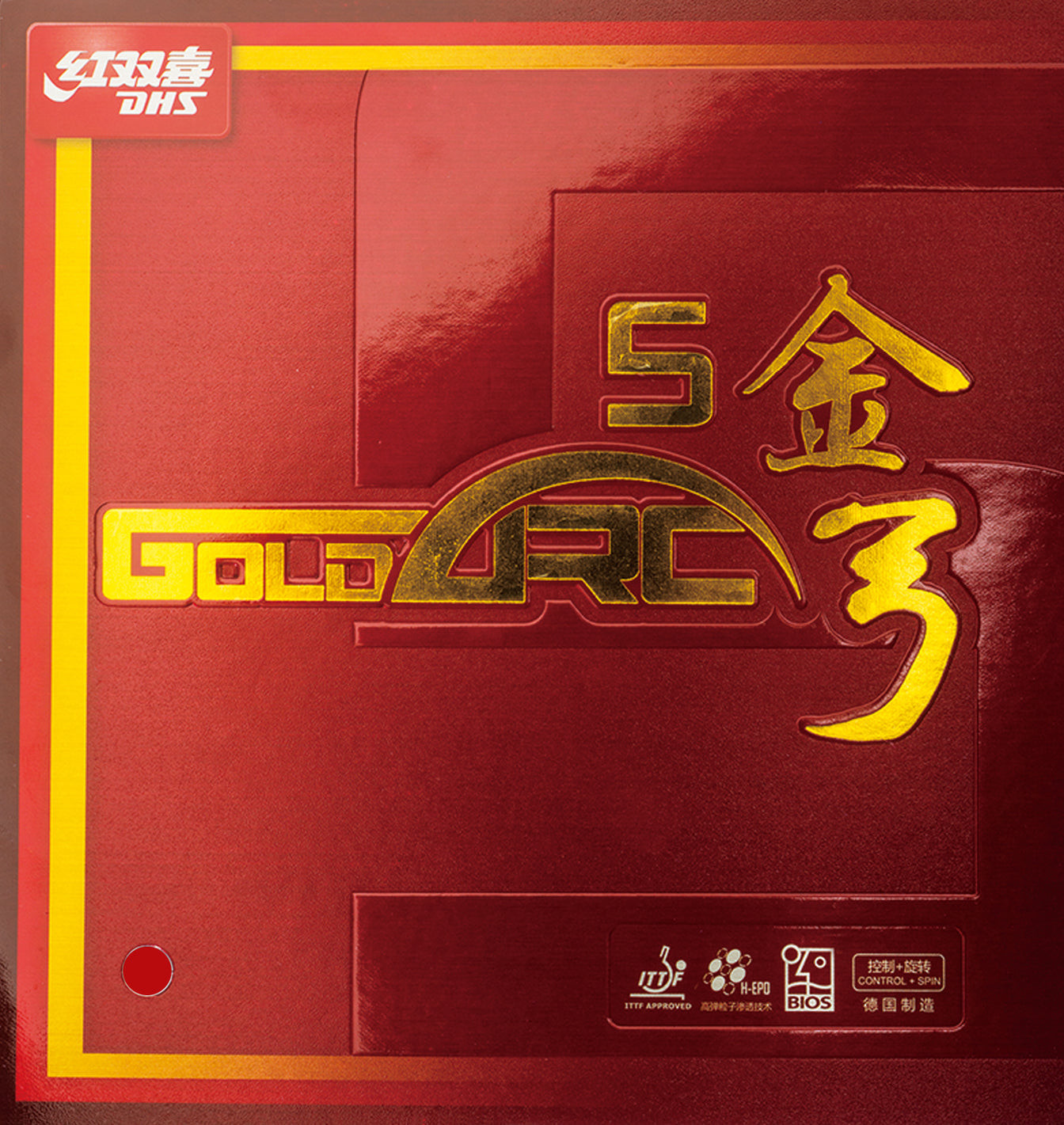
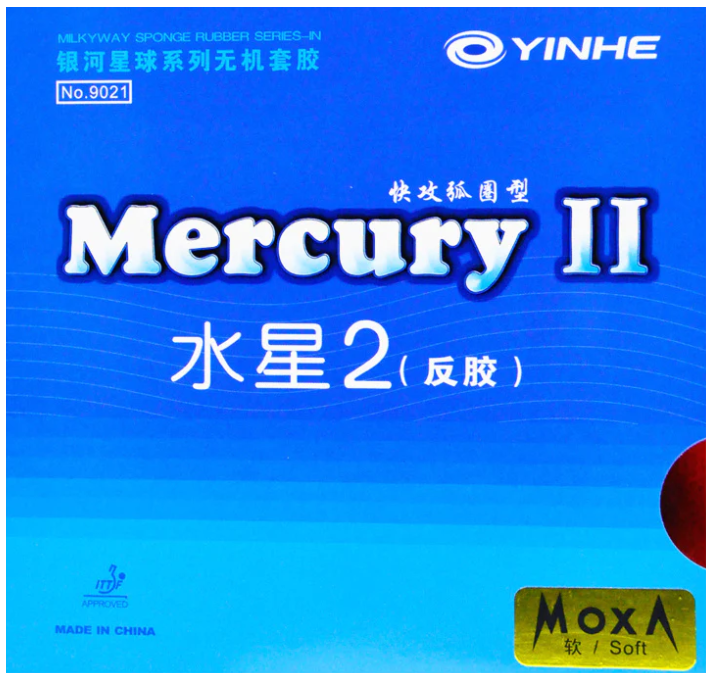
We may earn a commission from links on this page. Learn more.
Both deliver exceptional value and control at entry level, but they serve different styles. The DHS Gold Arc 5 is an all-OFF non-tensor built for predictable, linear play with minimal bounce — ideal for backhand blocking and reliable close-to-table defense. The Yinhe Mercury II is a genuinely tacky Chinese rubber with forgiving spin, better suited to all-around beginners building their first custom racket.
Gold Arc 5 owners appreciate its stability and durability in humidity-resistant play. Mercury II rewards active strokes with serious topspin and chop power, but demands more engagement from the player. If you prize predictability and backhand reliability, choose Gold Arc 5. If you’re a beginner learning loops and attacking from both wings, Mercury II’s soft sponge and tacky touch will teach you faster.
FAQ
Which is better for a beginner developing topspin?
Mercury II. Its softer sponge and tacky topsheet make opening backspin loops more forgiving and reward correct full-swing technique.
Which lasts longer without boosting?
Gold Arc 5. It holds its grip for many months. Mercury II’s topsheet is stickier but less durable over time.
Can I use either on forehand and backhand?
Mercury II works on both. Gold Arc 5 is optimized for backhand, though some advanced players use it versatile on OFF blades.
Which requires more active stroke technique?
Mercury II. It rewards strong, committed swings. Gold Arc 5 is more forgiving on passive shots close to the table.