DHS Gold Arc 5 vs Nittaku Fastarc S-1: Which Should You Buy?
| DHS Gold Arc 5 | Nittaku Fastarc S-1 | |
|---|---|---|
| Our rating | 8.0/10 | 7.9/10 |
| best_side | backhand | forehand or backhand |
| control | very high | 70 |
| speed | ALL-OFF | 97 |
| spin | high | 96 |
| sponge_hardness | 42.5 deg | 35 degrees |
| type | inverted | inverted |
| weight_uncut_g | 71 | around 41-43g |
We may earn a commission from links on this page. Learn more.
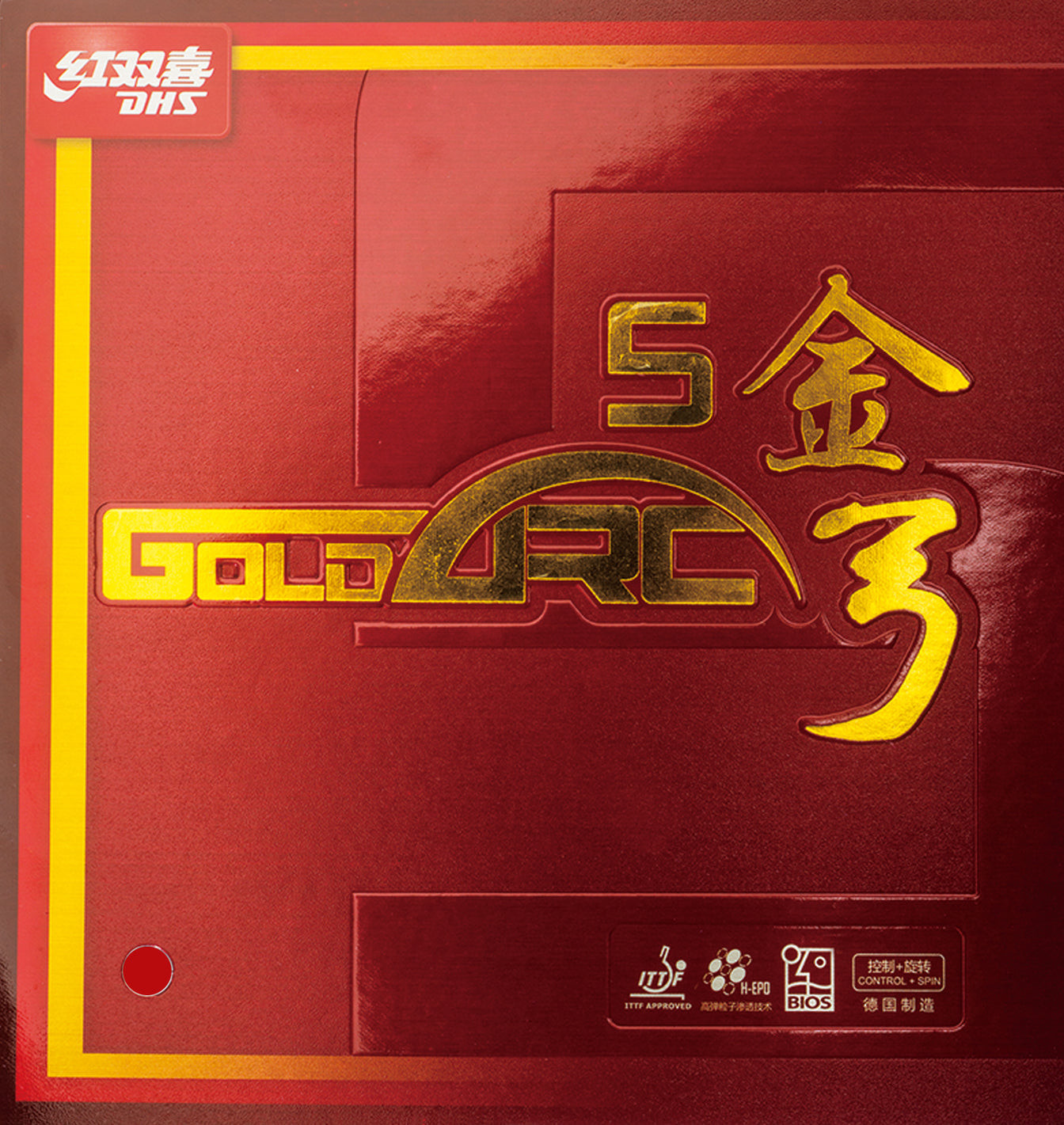
Gold Arc 5 prioritizes control, consistency, and durability with a dependable linear response. It suits backhand-focused players and those developing technique who want to minimize variables and maximize feedback quality.
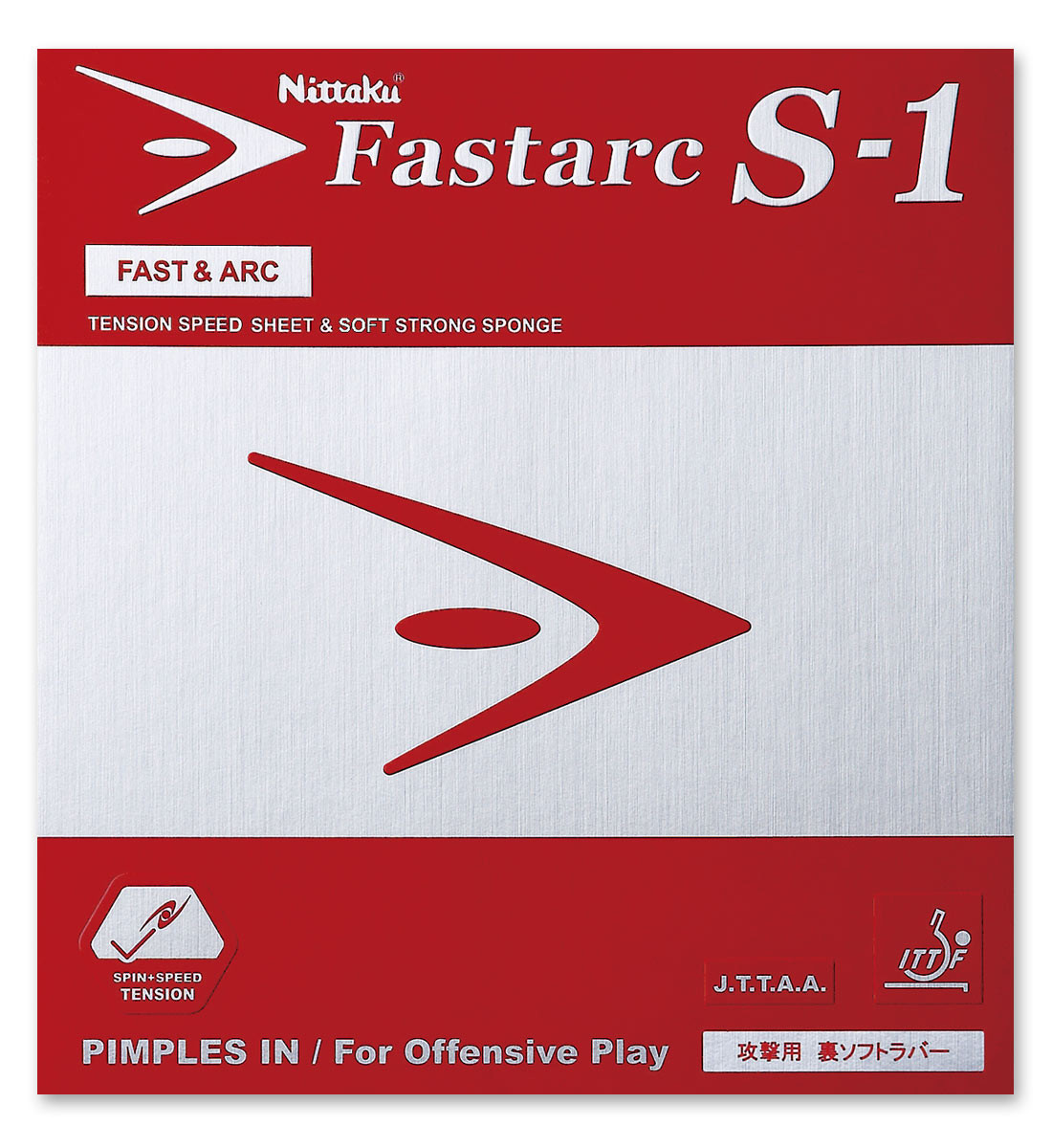
Fastarc S-1 is a lightweight tensor offering genuine speed without excessive stiffness, making it more accessible than harder tensors for intermediate players transitioning from beginner rubbers. Its lighter weight aids swing speed, though spin output trails other tensors.
Gold Arc 5 wins for pure control and technique building; Fastarc S-1 is better for players ready to upgrade from beginner rubbers and seeking lightweight speed with forgiving feedback.
FAQ
Which is lighter?
Fastarc S-1 is significantly lighter at around 41-43g uncut versus Gold Arc 5’s 71g, making it easier to swing.
Which spins more?
Gold Arc 5 and Fastarc S-1 are closer in spin than either versus harder tensors. Fastarc S-1 offers noticeably lower spin output than G-1 or other top tensors.
Is Fastarc S-1 good for backhand?
Yes, Fastarc S-1 is suitable for backhand use. Gold Arc 5 is traditionally backhand-focused but both work on either wing.
Which is more forgiving?
Gold Arc 5 is more forgiving with its predictable linear response. Fastarc S-1 requires more technique to unlock its potential but is more accessible than harder tensors.