DHS Gold Arc 5 vs Nittaku Fastarc P-1: Which Should You Buy?
| DHS Gold Arc 5 | Nittaku Fastarc P-1 | |
|---|---|---|
| Our rating | 8.0/10 | 7.8/10 |
| best_side | backhand | forehand |
| control | very high | 8.5 |
| speed | ALL-OFF | 15.5 |
| spin | high | 12.25 |
| sponge_hardness | 42.5 deg | 47.5 degrees |
| type | inverted | tensor |
| weight_uncut_g | 71 | 70 |
We may earn a commission from links on this page. Learn more.
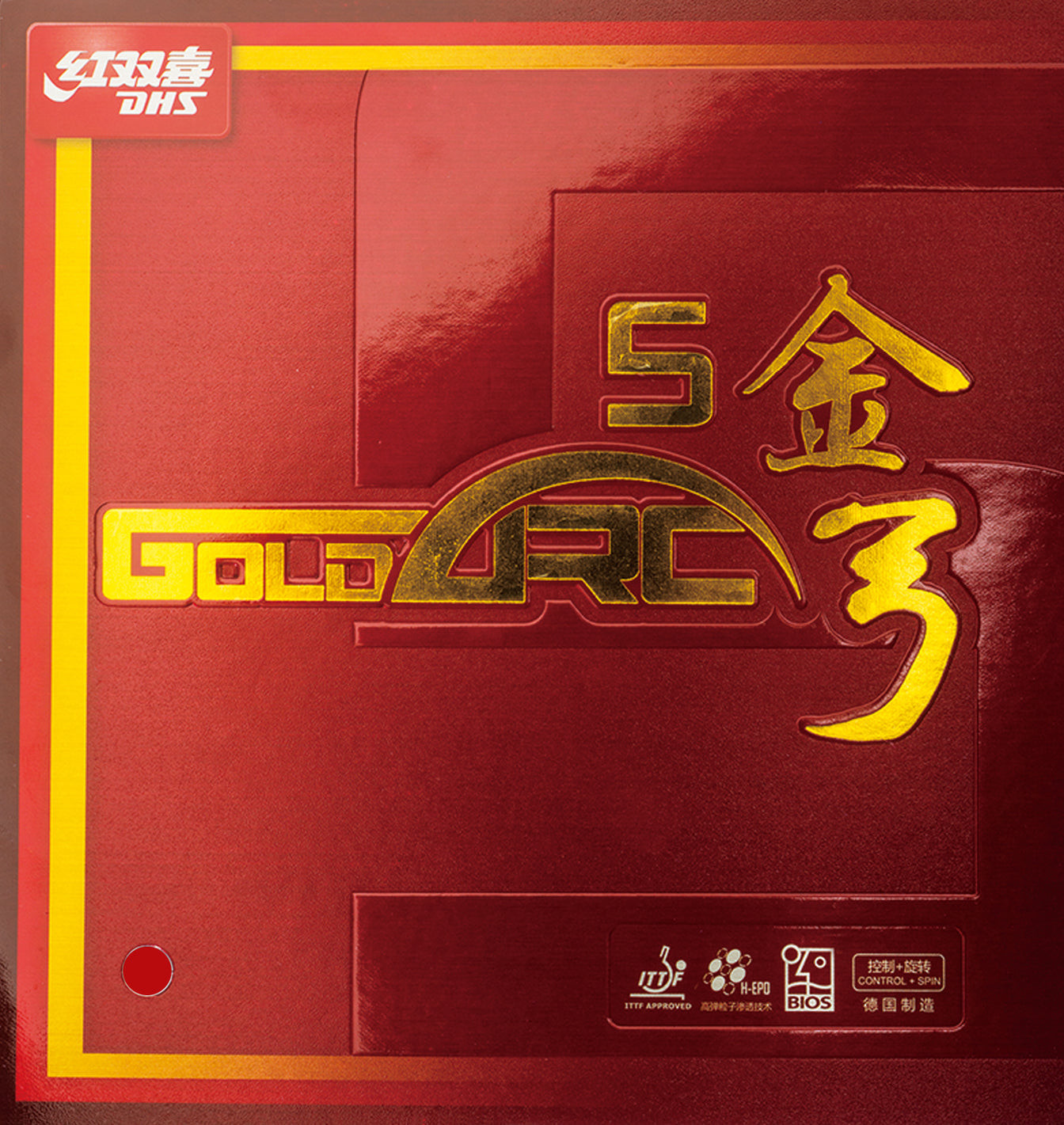
Gold Arc 5 is consistently forgiving with a generous safety margin, rewarding solid fundamentals without demanding perfect execution. It excels at blocking, close-to-table play, and builds confidence through predictable feedback.
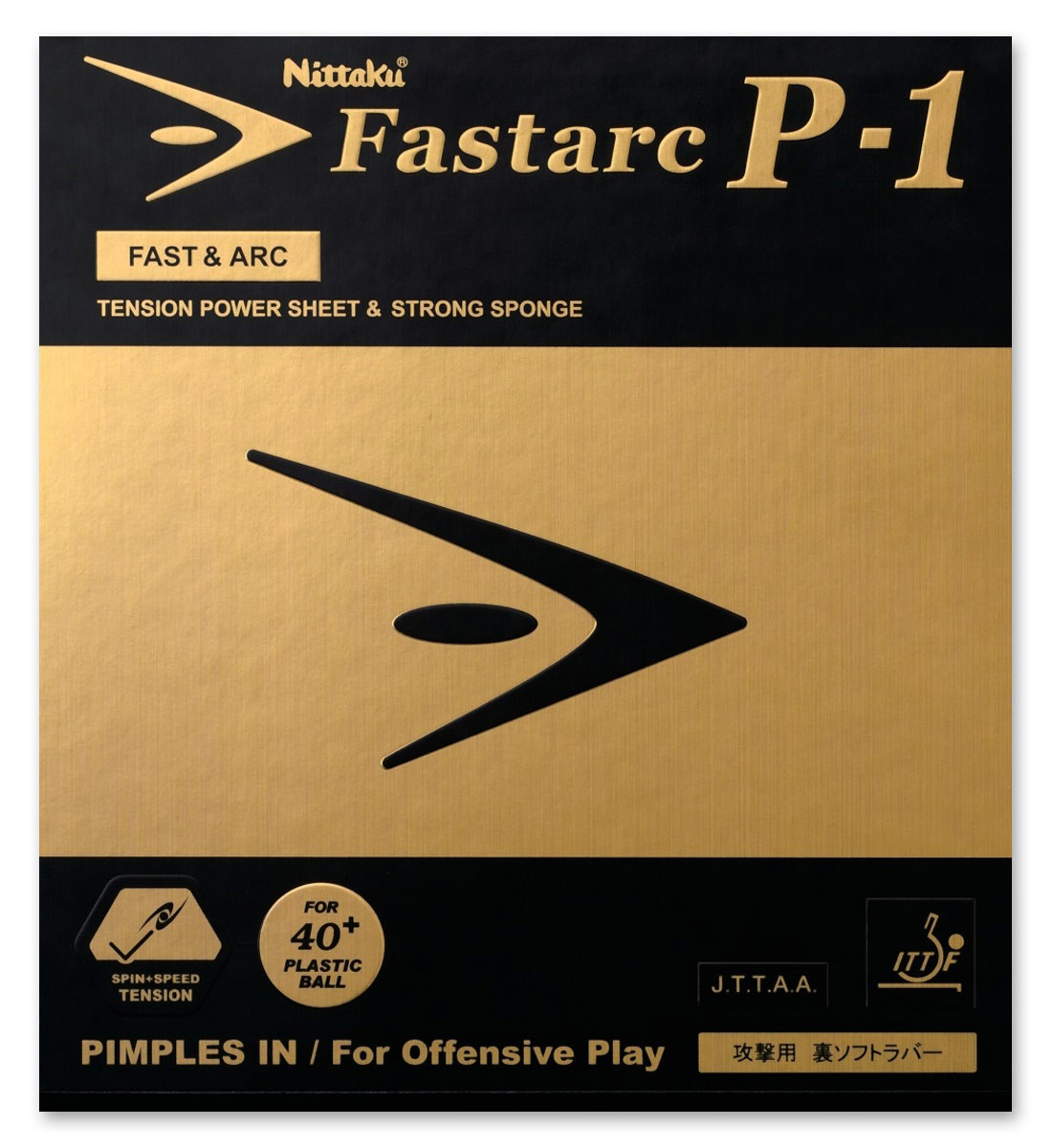
Fastarc P-1 is a high-arc tensor delivering impressive spin on well-struck loops but punishing tentative or arm-only strokes. It demands full-body commitment to topspin technique and offers little margin for error in stroke precision. The high throw angle provides net clearance but requires precise contact.
Choose Gold Arc 5 for developing forehand loopers or those seeking safety; Fastarc P-1 suits advanced players with committed, technically sound topspin strokes and fast blades.
FAQ
Which is more forgiving?
Gold Arc 5 by a significant margin. Fastarc P-1 is very linear and demands full, precise topspin strokes.
Can I use either on backhand?
Gold Arc 5 is a traditional backhand rubber. Fastarc P-1 is a forehand tensor, though technically usable on backhand with reduced effectiveness.
Which generates more spin?
Fastarc P-1 produces impressive spin output on power loops. Gold Arc 5 generates solid spin through technique but lacks the rubber’s inherent spin generation.
Are they equally durable?
Both are durable. Gold Arc 5 has proven durability and holds grip for months. Fastarc P-1 is high-quality German construction also well-regarded for longevity.