DHS Gold Arc 5 vs DHS Skyline TG3: Which Should You Buy?
| DHS Gold Arc 5 | DHS Skyline TG3 | |
|---|---|---|
| Our rating | 8.0/10 | 8.2/10 |
| best_side | backhand | forehand |
| control | very high | 8.0 |
| speed | ALL-OFF | 7.5 |
| spin | high | 9.5 |
| sponge_hardness | 42.5 deg | 38-40 degrees |
| type | inverted | tacky Chinese inverted |
| weight_uncut_g | 71 | 63 |
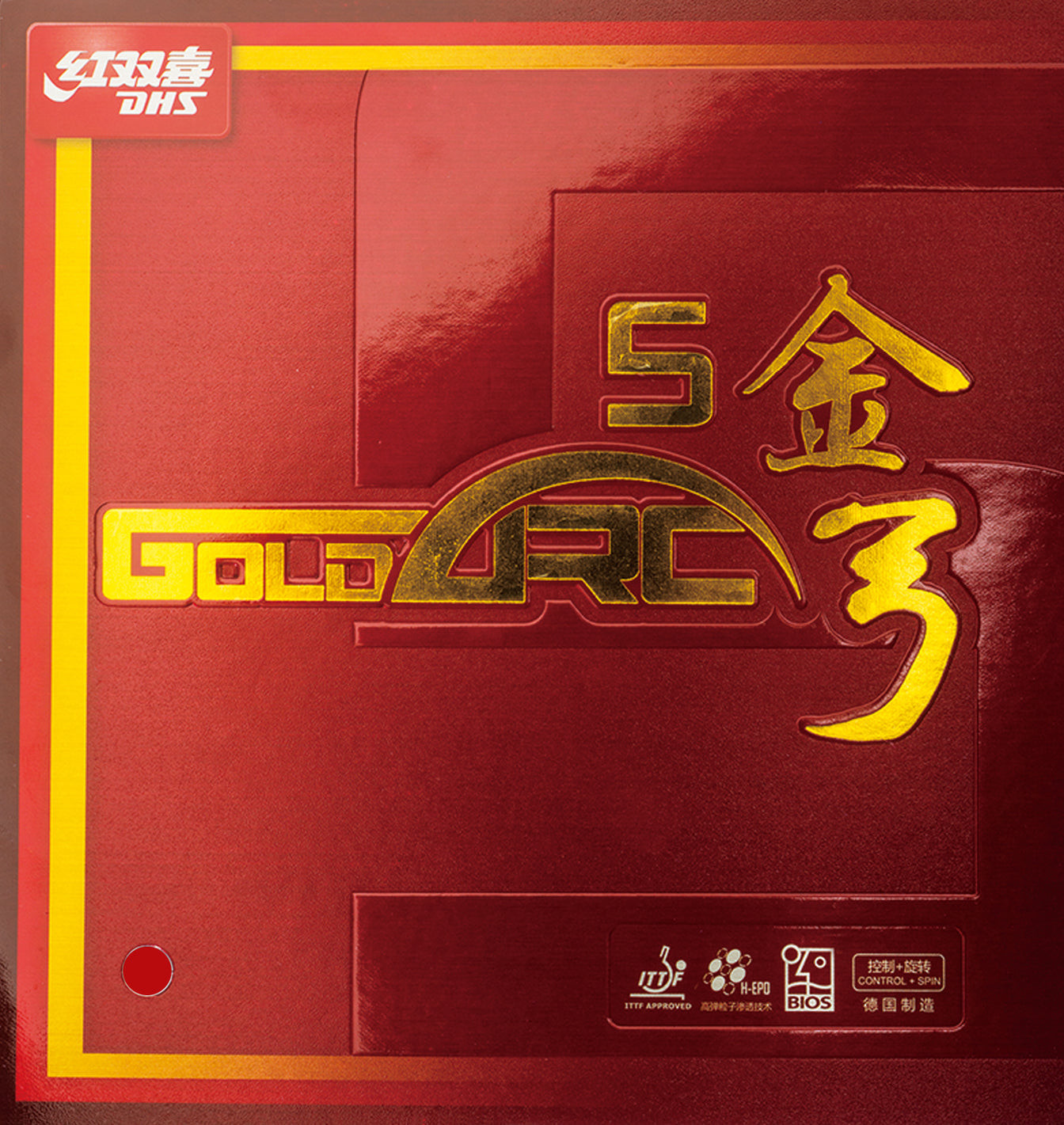
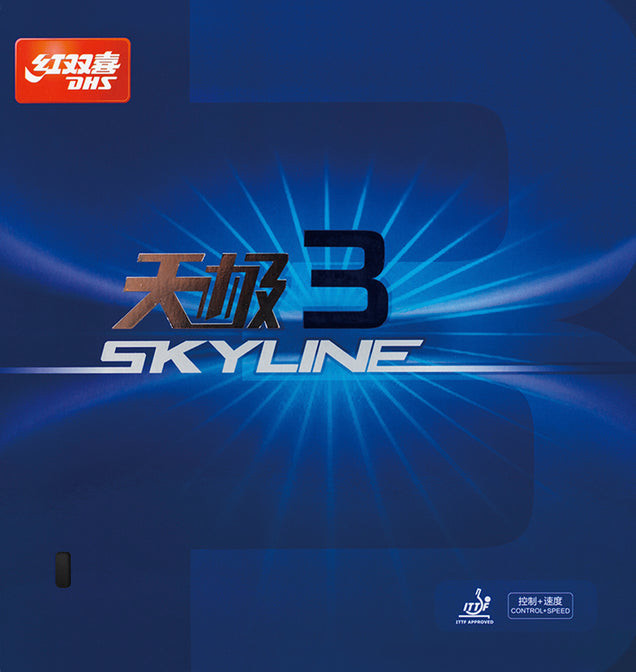
We may earn a commission from links on this page. Learn more.
Gold Arc 5 prioritizes control and consistency with predictable feedback, making it ideal for developing stroke mechanics and reliable blocking. It trades peak spin for budget-friendly durability and compatibility with various blade types.
Skyline TG3 is a harder, tackier Chinese rubber demanding full technique commitment. It rewards proper looping form with near-elite spin and a low, penetrating arc that’s difficult to counter at impact. The learning curve is steeper and it requires a fast blade or carbon composite to shine.
Choose Gold Arc 5 for technique building and backhand stability; pick Skyline TG3 if you’ve mastered Chinese looping and want maximum spin without premium European prices.
FAQ
Which is better for beginners?
Gold Arc 5 by a large margin. Its forgiving, predictable feedback and excellent control make it far easier to learn on. Skyline TG3 demands advanced footwork and full-body technique.
Can I use Skyline TG3 on backhand?
Technically yes, but it’s not recommended. Skyline TG3 is designed as a forehand rubber and is too hard for most backhand players. Gold Arc 5 works well on both wings.
Do I need to boost Skyline TG3?
Not mandatory, but most players do apply booster to unlock additional speed and arc. Gold Arc 5 works as-is without boosting.
Which spins more?
Skyline TG3 produces heavier mechanical spin due to its extremely tacky topsheet, especially on full loops. Gold Arc 5 generates good spin through technique rather than rubber catchiness.