Butterfly Innerforce ZLC vs Yinhe T-11+: Which Should You Buy?
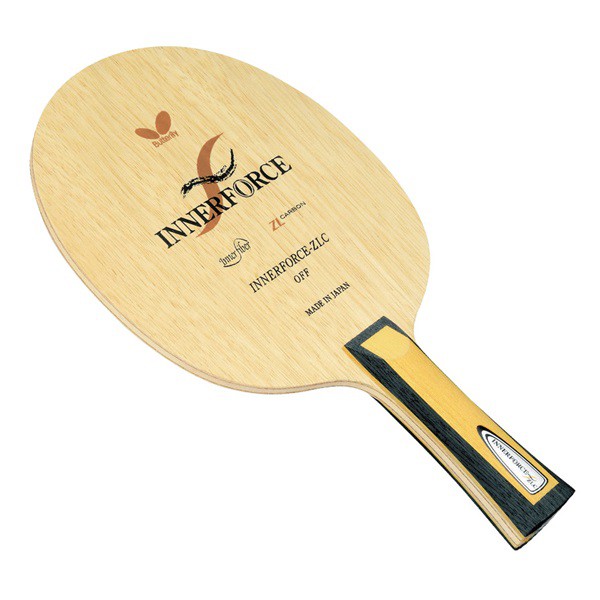
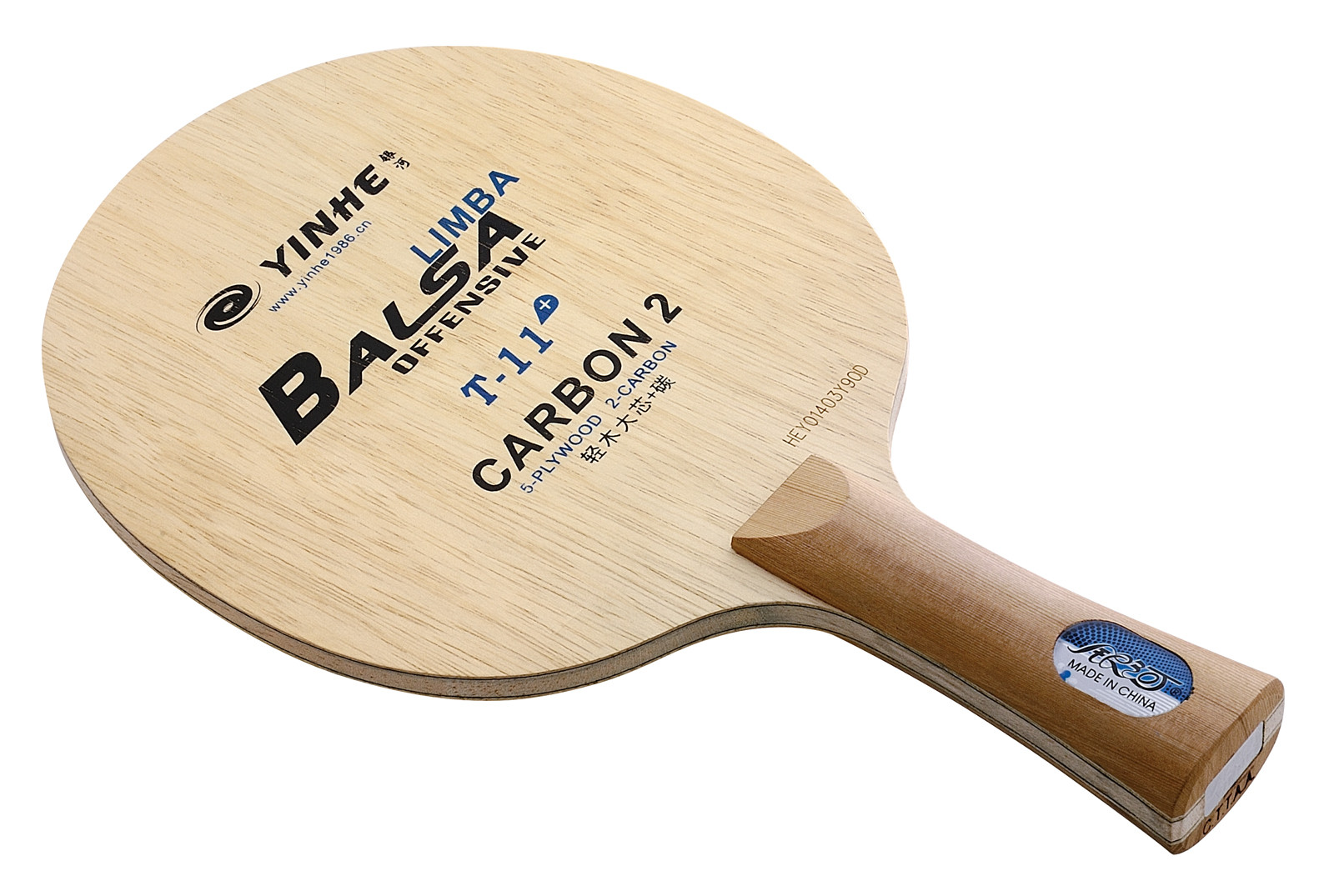
| Butterfly Innerforce ZLC | Yinhe T-11+ | |
|---|---|---|
| Our rating | 8.5/10 | 7.8/10 |
| feel | Soft-medium; woody feel with ZLC carbon layers near the core | very light, stiff but soft balsa core with a carbon ping |
| handle | AN / FL / ST | FL |
| plies | 5 wood + 2 ZLC carbon (inner ZLC construction) | 5W+2 Carbon with balsa core (two thin wood outers, one carbon layer per side, around a thick balsa middle ply) |
| speed | OFF | OFF- |
| thickness_mm | 5.7 | 6.5 |
| weight_g | 84 | 78 |
We may earn a commission from links on this page. Learn more.
The Innerforce ZLC is discontinued, rare, rated 8.5, and optimized for advanced topspin specialists valuing dwell and woody feel. The Yinhe T-11 Plus rates 7.8, is exceptionally light, balsa-carbon construction, and designed for flat hitters, pips-out players, and power drivers seeking speed in a featherweight package.
Choose the ZLC if you’re advanced looper, found stock, and build around heavy topspin and feel. Pick T-11 Plus if you’re flat hitter, power-loop driver, blocker, or combination player seeking serious speed in a light package. They target opposite player types: ZLC rewards topspin refinement; T-11 rewards speed and aggression.
FAQ
Which is lighter?
T-11 Plus: one of lightest offensive blades around at approximately 78g. ZLC at 84g is moderately light. T-11 wins mobility decisively.
Which suits heavy topspin looping?
ZLC: its dwell and soft feel excel for refined loops. T-11: heavy looping is its clear weakness; prefers flat hits and speed.
Why does T-11 rate lower if it is so specialized?
7.8 reflects fragile surface (needs sealing), weak passive blocks, and poor topspin loop performance. Specialists love it; generalists frustrated.
Which requires more care?
T-11: must be sealed before use, fragile surface splinters easily. ZLC: durable, sealed carbon-core, lasts longer with normal care.