Butterfly Innerforce ZLC vs Stiga Dynasty Carbon: Which Should You Buy?
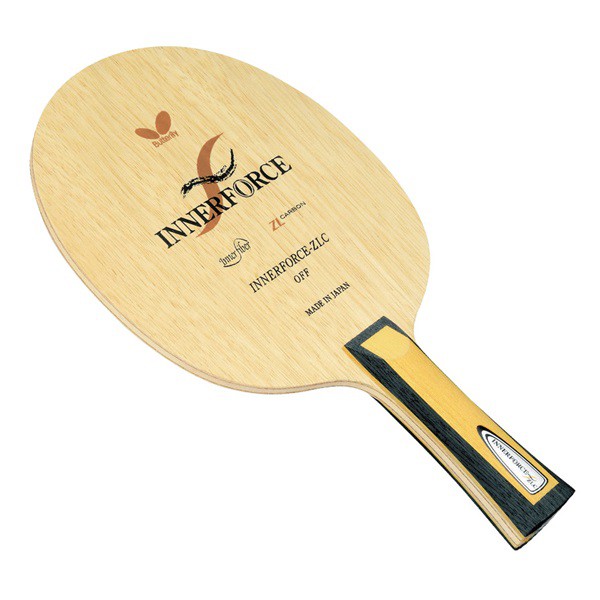
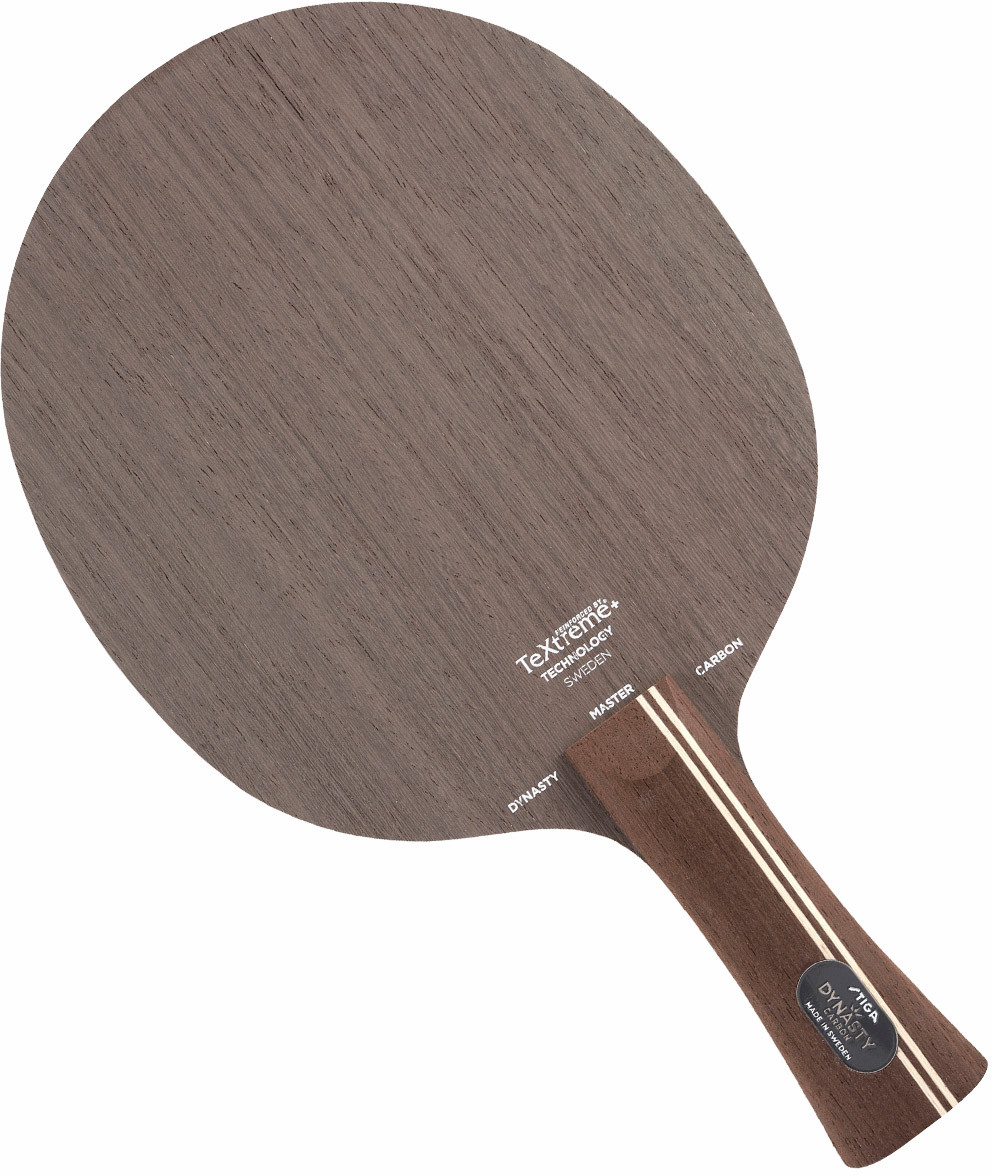
| Butterfly Innerforce ZLC | Stiga Dynasty Carbon | |
|---|---|---|
| Our rating | 8.5/10 | 8.5/10 |
| feel | Soft-medium; woody feel with ZLC carbon layers near the core | woody, medium-stiff, large sweet spot |
| handle | AN / FL / ST | FL / CS / Penhold |
| plies | 5 wood + 2 ZLC carbon (inner ZLC construction) | 5 wood + 2 carbon (TeXtreme+) |
| speed | OFF | OFF |
| thickness_mm | 5.7 | 5.9 |
| weight_g | 84 | 90 |
We may earn a commission from links on this page. Learn more.
Both hit 8.5 rating and share OFF speed, but their carbon construction creates contrasting feels. The Butterfly ZLC whispers woody feedback with inner carbon layers; it suits topspin specialists who transition from all-wood and crave dwell time. The Stiga Dynasty TeXtreme+ pushes woody outer carbon that rewards aggressive two-wing looping with stability.
The ZLC excels if you demand exceptional feel, loop heavily from close range, and play penhold or advanced shakehand. Dynasty is your blade if you loop both wings at speed and want the dwell of all-wood paired with carbon pace and minimal vibration.
FAQ
Which has better short-game touch?
The ZLC, thanks to its woody inner-carbon feel and naturally high dwell time. Dynasty prioritizes consistency at speed over tactile feedback.
Are they both good for penhold players?
Yes. The ZLC is often praised for penhold balance and feedback. Dynasty explicitly suits penhold loopers stepping up from less stable blades.
How much does weight matter?
The ZLC at 84g is notably lighter than Dynasty at 90g. Dynasty can reach above 200g fully assembled, which tires some players in long rallies.
Which is more durable?
Dynasty’s koto veneer can splinter after repeated rubber changes. Both are premium blades; careful handle and veneer maintenance extend life.