Butterfly Dignics 64 vs Stiga Mantra H: Which Should You Buy?
| Butterfly Dignics 64 | Stiga Mantra H | |
|---|---|---|
| Our rating | 8.8/10 | 8.4/10 |
| best_side | backhand | forehand |
| control | 8.5 | 8.8 |
| speed | 9.5 | 9.4 |
| spin | 8.5 | 9.1 |
| sponge_hardness | 40 degrees (Shore A) / 50 degrees (EUR) | hard (approx. 47.5 degrees) |
| type | inverted | inverted |
| weight_uncut_g | 47 | 65 |
We may earn a commission from links on this page. Learn more.
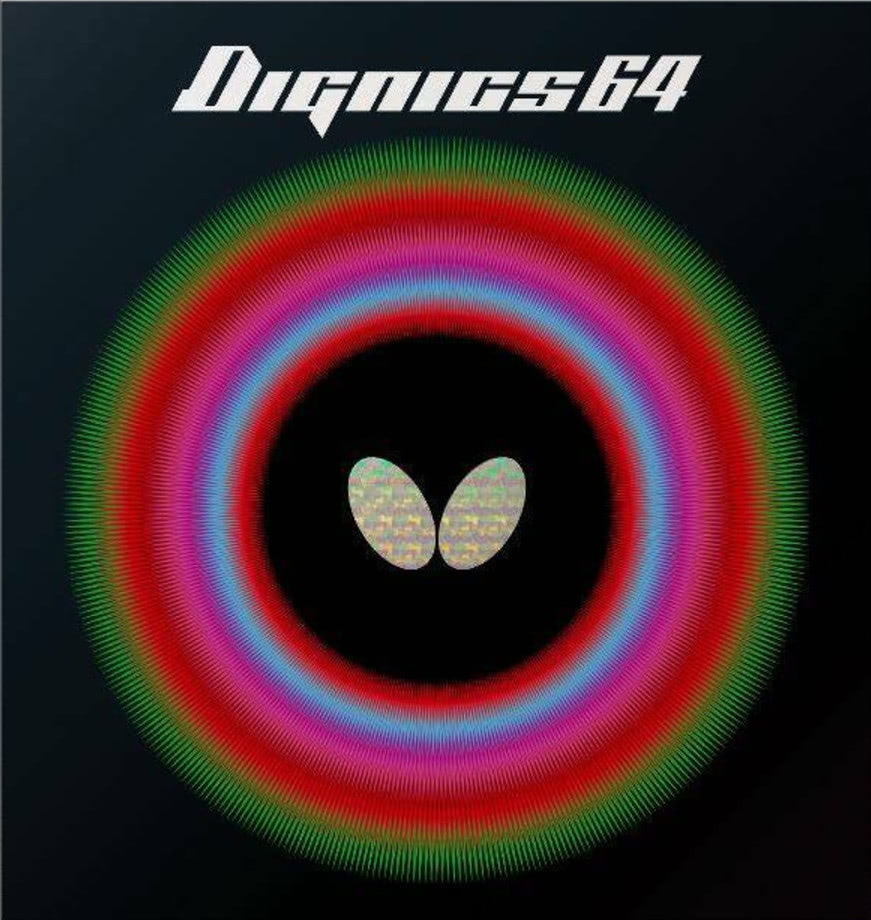
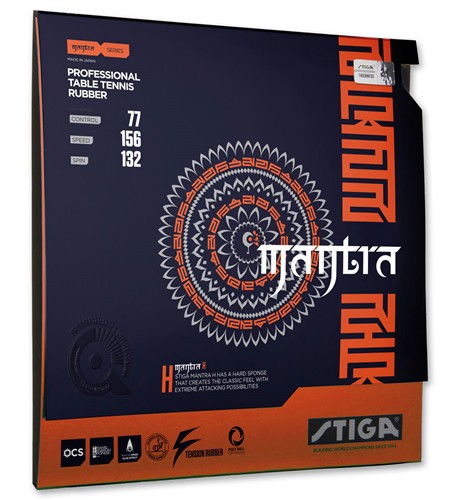
Dignics 64 and Stiga Mantra H occupy opposite durability and speed profiles. Dignics 64 delivers superior durability, spin insensitivity, and consistent flat-drive blocking—a backhand powerhouse built to last. Mantra H prioritizes aggressive speed matching Tibhar MX-P, exceptional blocking close to table, and heavy topspin grip, but at the cost of limited durability (roughly 3 months under regular training) and hard sponge demanding precise technique. Both rate around 8.4-8.8, but Mantra’s low throw angle creates threatening attacking trajectories while Dignics’ spin tolerance suits passive defenders. Mantra is discontinued, replaced by Mantra Pro H. Choose Dignics 64 for long-term backhand play; choose Mantra H for short-term high-speed forehand attack if you accept replacement cycles.
FAQ
Which lasts longer?
Dignics 64 exceeds Tenergy 64 durability. Mantra H fades around 3 months under regular training. Dignics wins decisively.
Which is faster?
Mantra H matches or exceeds Tibhar MX-P. Dignics 64 at 9.5 is fast but trails Mantra’s aggression.
Is Mantra H still available?
Mantra H is discontinued; Mantra Pro H is the replacement. Dignics 64 is in active production.
Which is better for backhand?
Dignics 64 is backhand-optimized. Mantra H is too hard and aggressive for most players’ backhand.
Short game?
Dignics handles short game adequately. Mantra H’s strong catapult reduces dwell time, requiring precise technique.