Butterfly Dignics 64 vs Nittaku Fastarc P-1: Which Should You Buy?
| Butterfly Dignics 64 | Nittaku Fastarc P-1 | |
|---|---|---|
| Our rating | 8.8/10 | 7.8/10 |
| best_side | backhand | forehand |
| control | 8.5 | 8.5 |
| speed | 9.5 | 15.5 |
| spin | 8.5 | 12.25 |
| sponge_hardness | 40 degrees (Shore A) / 50 degrees (EUR) | 47.5 degrees |
| type | inverted | tensor |
| weight_uncut_g | 47 | 70 |
We may earn a commission from links on this page. Learn more.
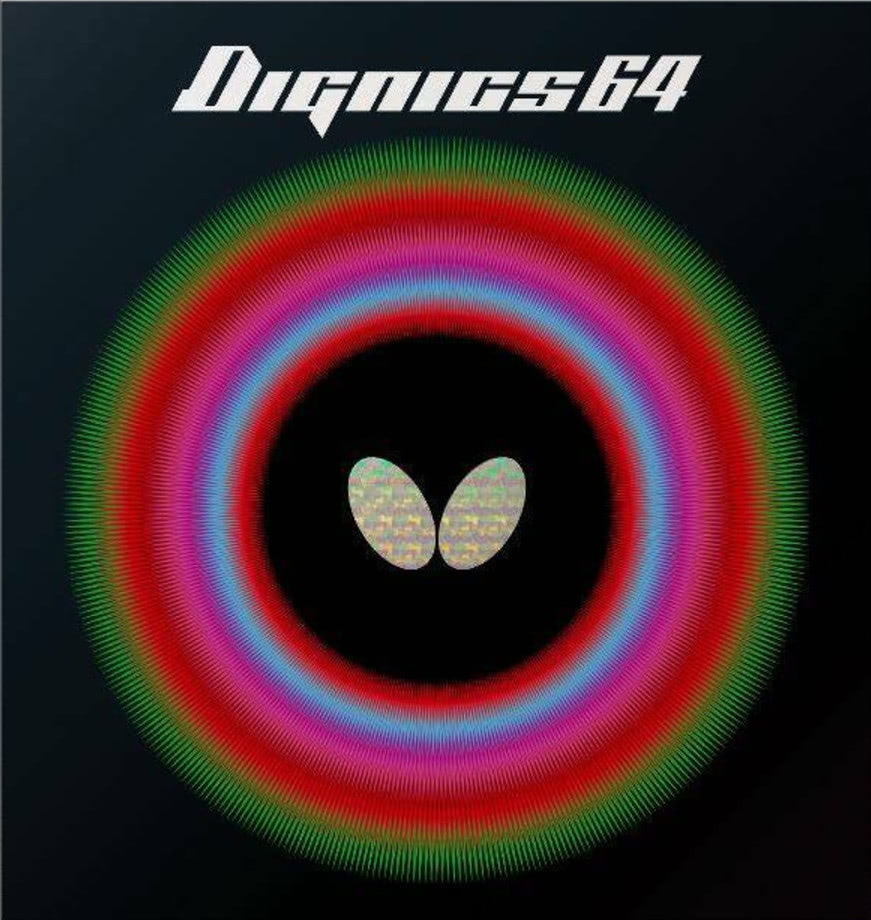
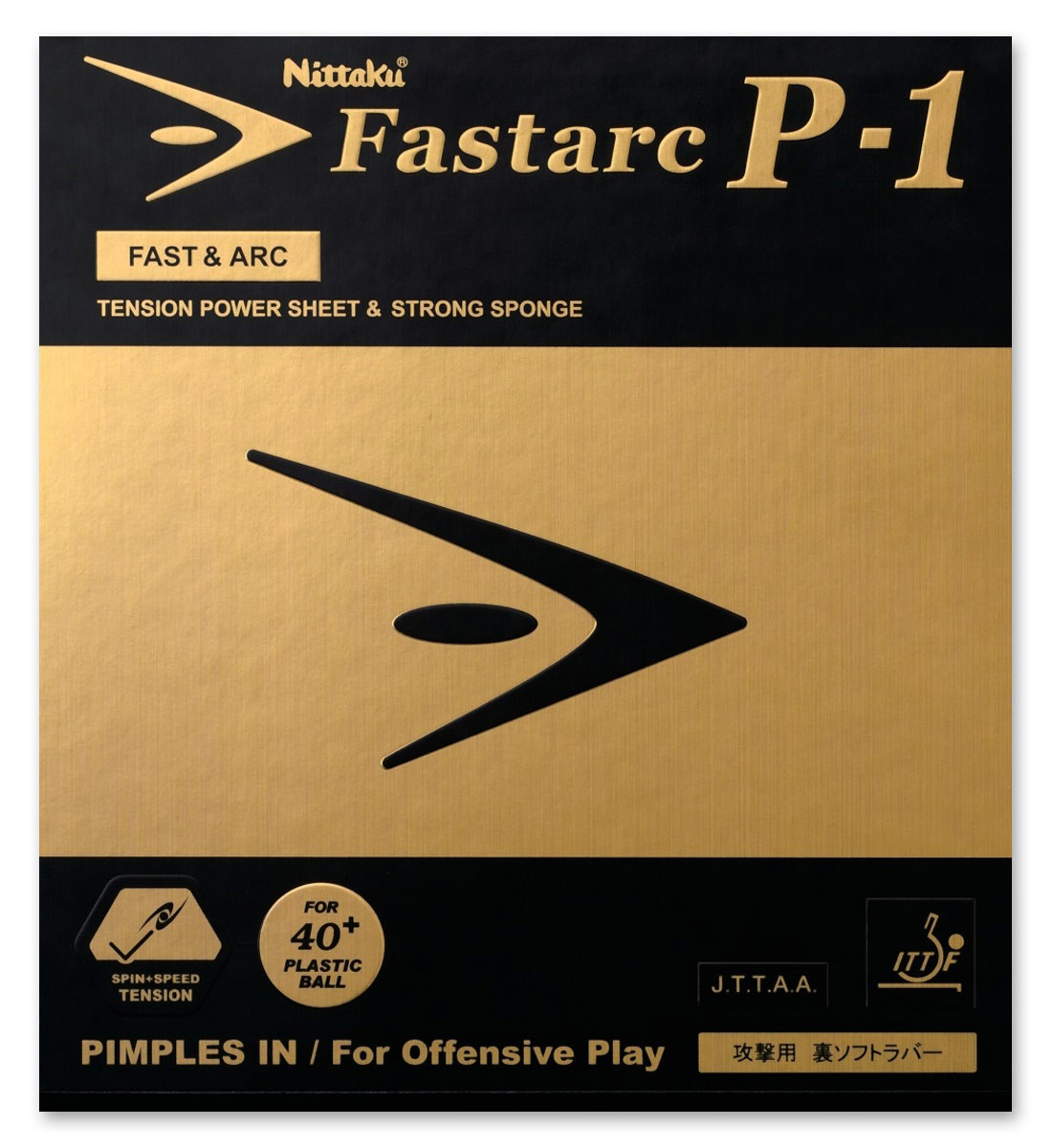
Dignics 64 and Nittaku Fastarc P-1 address opposite wings and player types. Dignics 64 is a lightweight (47g) inverted for backhand specialists seeking spin insensitivity, consistent blocking, and flat-drive consistency. Fastarc P-1 is a heavier (70g) forehand tensor with soft in-play feel, rewarding technically sound power loops with impressive spin output and high throw angle safety margins. Dignics suits defensive players building from backhand; P-1 suits developing forehand loopers committed to precision technique. Dignics excels at spin tolerance and lightweight swing ease; P-1 demands full, committed topspin strokes. Neither suits beginners, but P-1’s high throw angle offers more forgiveness than Dignics 64’s low-arc backhand demands.
FAQ
Which is lighter?
Dignics 64 at 47g is lighter than P-1 at 70g. Significant weight difference favors Dignics.
Which should I choose for backhand?
Dignics 64 is backhand-optimized. P-1 is forehand-focused and unsuitable for backhand.
Which is easier to learn?
Both have steep curves. P-1’s high throw angle offers more safety margin; Dignics 64 is unforgiving.
Which produces more spin?
P-1 rates 12.25 spin; Dignics 64 rates 8.5. P-1 generates more spin on committed loops.
Can I use P-1 on backhand?
Technically possible but not recommended. P-1 is forehand-dedicated; Dignics 64 is the backhand choice.