Butterfly Dignics 64 vs JOOLA Dynaryz ZGR: Which Should You Buy?
| Butterfly Dignics 64 | JOOLA Dynaryz ZGR | |
|---|---|---|
| Our rating | 8.8/10 | 8.3/10 |
| best_side | backhand | forehand |
| control | 8.5 | Medium-High |
| speed | 9.5 | Extreme |
| spin | 8.5 | Extreme |
| sponge_hardness | 40 degrees (Shore A) / 50 degrees (EUR) | 57.5 degrees Shore C (hard) |
| type | inverted | hybrid tacky tensor (pimples-in) |
| weight_uncut_g | 47 | approx 56g (cut to 157x150mm) |
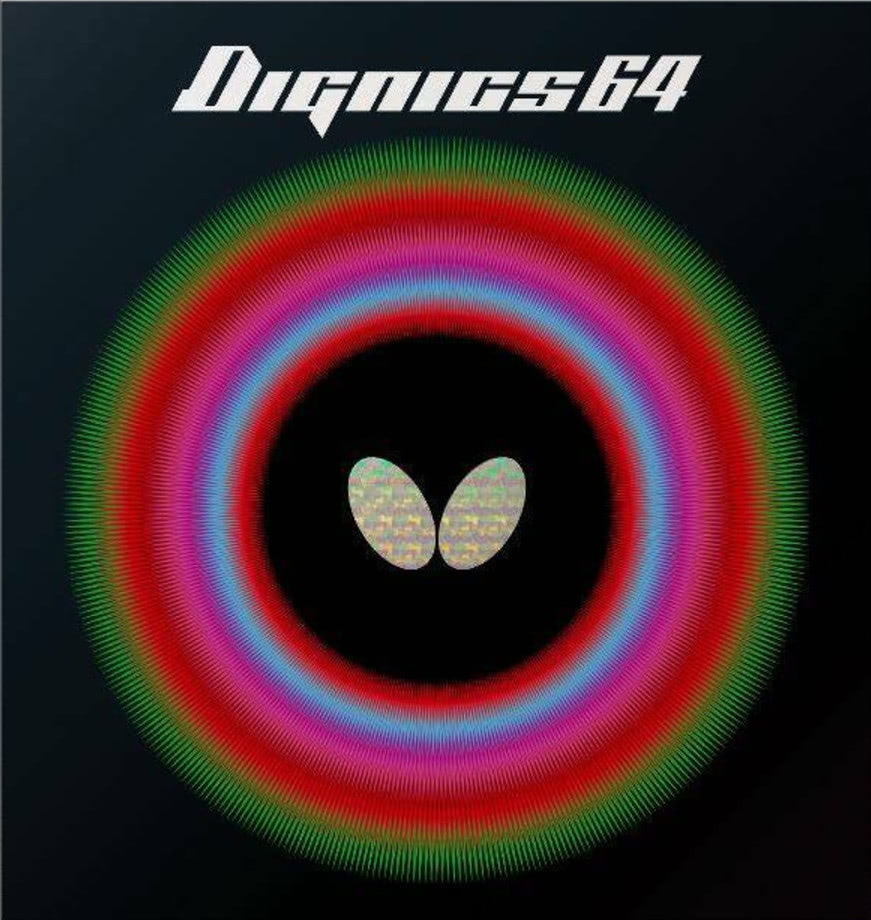
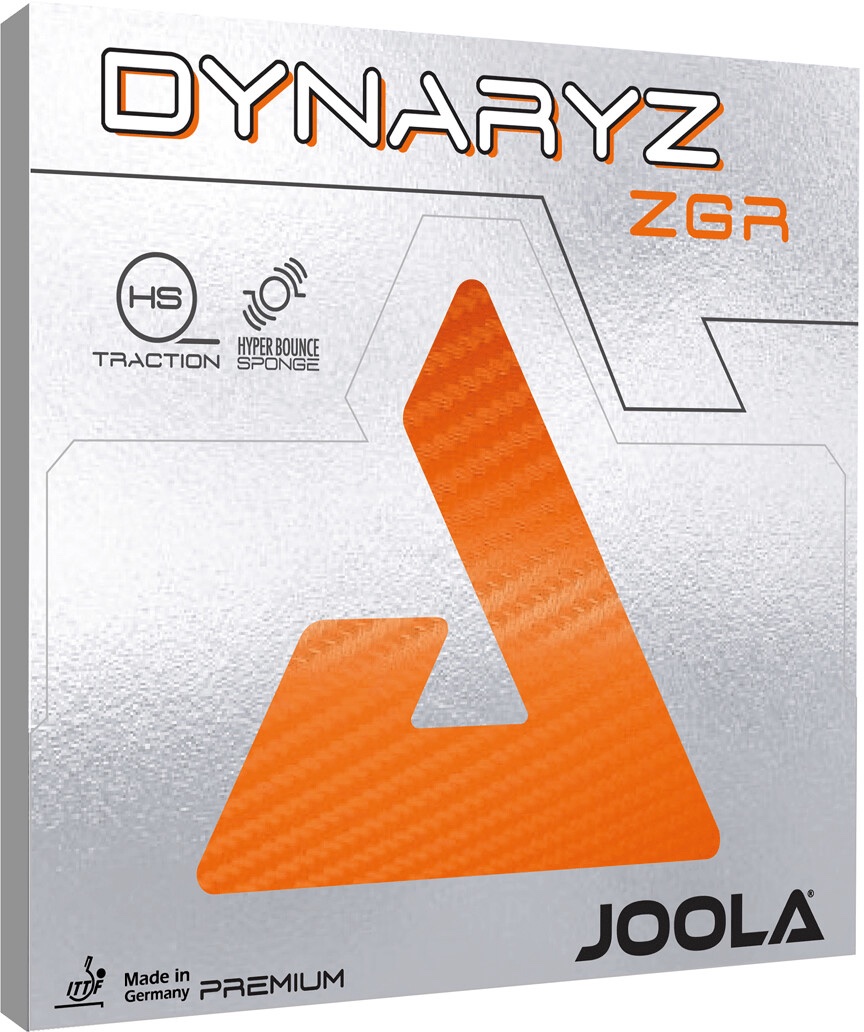
We may earn a commission from links on this page. Learn more.
Dignics 64 is a low-trajectory, spin-insensitive backhand blocker with superior durability. JOOLA Dynaryz ZGR is a very hard tacky-tensor hybrid (57.5 degrees) with exceptional spin and unique grip-catapult blend. ZGR allows multiple gears and has noticeably spinniness and tackiness versus AGR. ZGR is heavy and demanding; Dignics is lighter and more forgiving.
Choose Dignics 64 for reliable blocking and moderate speed with low spin sensitivity. Choose ZGR if you are a power looper and mid-to-long-distance attacker coming from Chinese rubbers but wanting tensor catapult. Both are premium, but ZGR is much harder and heavier.
FAQ
Which has more spin?
ZGR has extreme spin. Dignics 64 has moderate spin ceiling by design.
Is ZGR too hard?
Yes, its 57.5-degree sponge is very hard and demands high racket speed and technique.
Which is lighter?
Dignics 64 is much lighter (45g cut versus 56g cut on ZGR). ZGR can cause arm fatigue.
Which lasts longer?
Dignics 64 lasts longer. ZGR tacky feel durability fades after approx two months under heavy use.
Can I use ZGR backhand?
Not recommended. Its extreme hardness and weight suit forehand-only play.