Friendship 729 Battle II vs Nittaku Fastarc S-1: Which Should You Buy?
| Friendship 729 Battle II | Nittaku Fastarc S-1 | |
|---|---|---|
| Our rating | 8.5/10 | 7.9/10 |
| best_side | FH | forehand or backhand |
| control | 8 | 70 |
| speed | 8 | 97 |
| spin | 9 | 96 |
| sponge_hardness | hard | 35 degrees |
| type | tacky | inverted |
| weight_uncut_g | 68 | around 41-43g |
We may earn a commission from links on this page. Learn more.
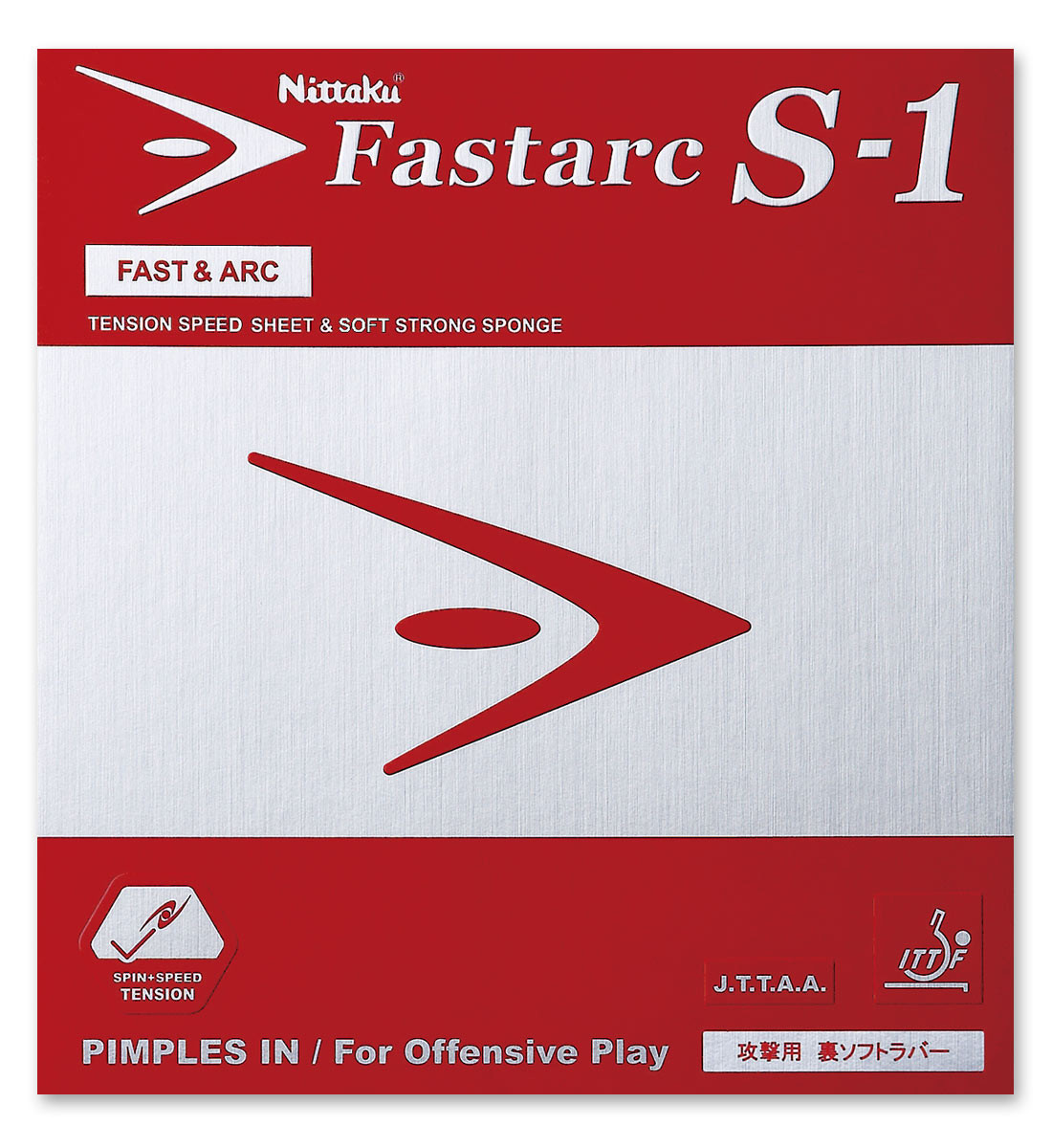
Battle II delivers high spin through tackiness and dwell, best close to the table and for Chinese-style technique. Fastarc S-1 is a lightweight speed-first tensor that remains accessible to intermediate players—genuine tensor speed, forgiving blocking, and modest throw angle without excessive stiffness. Both offer good value. Battle II suits spin-focused loopers; S-1 suits all-round players transitioning from beginner rubbers who want pace alongside control.
Battle II sacrifices speed for spin finesse. Fastarc S-1 trades pure spin for genuine pace, making it better for varied attacking play on all-wood or moderate blades.
FAQ
Which generates more spin?
Battle II. Fastarc S-1 spin is noticeably lower than competing tensors like Fastarc G-1.
Speed comparison?
Fastarc S-1 delivers genuine tensor speed. Battle II is surprisingly fast for a tacky rubber but slower overall.
Weight and arm fatigue?
Fastarc S-1 very lightweight (around 41-43g uncut). Battle II is 68g. S-1 significantly easier on the arm.
Best for intermediates learning topspin?
Fastarc S-1 suits all-round intermediate learners. Battle II suits intermediates focused specifically on spin and serving.
Counter-topspin capability?
Battle II strong. Fastarc S-1 feels limited against heavy incoming spin.