Friendship 729 Battle II vs Nittaku Fastarc P-1: Which Should You Buy?
| Friendship 729 Battle II | Nittaku Fastarc P-1 | |
|---|---|---|
| Our rating | 8.5/10 | 7.8/10 |
| best_side | FH | forehand |
| control | 8 | 8.5 |
| speed | 8 | 15.5 |
| spin | 9 | 12.25 |
| sponge_hardness | hard | 47.5 degrees |
| type | tacky | tensor |
| weight_uncut_g | 68 | 70 |

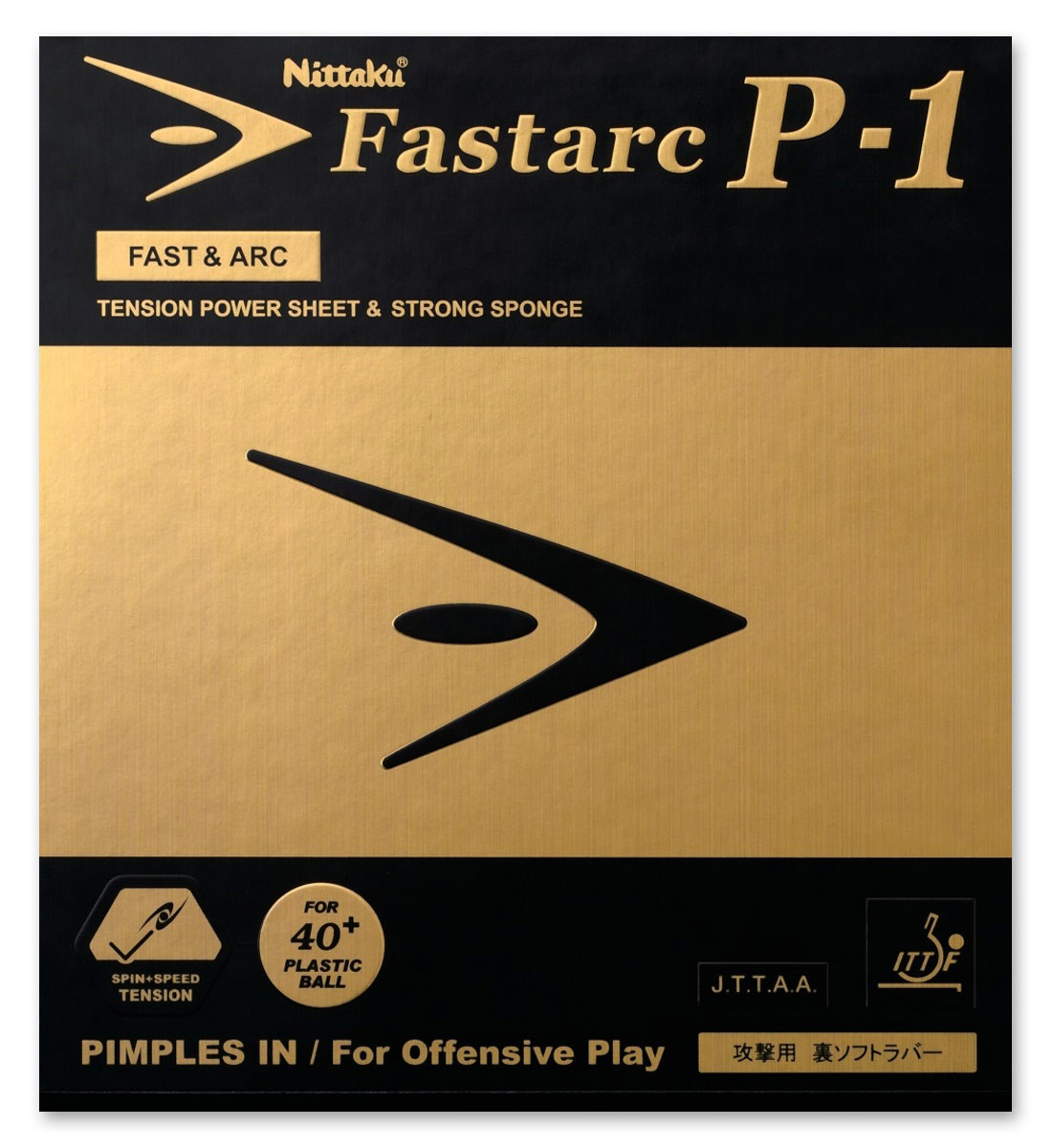
We may earn a commission from links on this page. Learn more.
Battle II excels at spin extraction via tackiness and dwell, best for players prioritizing immediate spin over speed. Fastarc P-1 is a precision instrument: linear, unforgiving, high throw angle providing safety margin, but demanding technically sound full strokes. P-1 rewards proper technique with impressive spin and excellent blocking stability. Battle II is more accessible; P-1 is higher performance but steeper learning curve.
Choose Battle II if you want spin without demanding precision and footwork. Choose Fastarc P-1 if you commit to full, technically sound topspin strokes and want maximum spin combined with blocking safety.
FAQ
Which is more forgiving?
Battle II. Tentative or arm-only strokes still produce reasonable loops. Fastarc P-1 severely punishes poor technique—weak strokes go into the net.
Throw angle comparison?
Fastarc P-1 has high throw angle (very safe). Battle II has low arc (aggressive, less margin).
Short game performance?
Battle II is solid. Fastarc P-1 is tricky due to bounciness and lack of tacky grip—flicks and pushes require precise technique.
Weight difference?
Battle II around 68g, Fastarc P-1 around 70g. Minimal difference, but P-1 slightly heavier.
Best for intermediate improving players?
Battle II is more accessible. Fastarc P-1 suits advanced loopers with solid fundamentals.