Blade Weight and Balance Point
1
When it comes to blade weight, there is no universal standard for what is “best” — it really comes down to personal comfort. Even among national team players, weight preferences vary widely. I’ve seen Wang Manyu with an 84g Viscaria, heard Yan An say he prefers 88g, and also heard that Zhou Qihao and others on the national team have bought several gold-label Viscarias at 94–95g. Whatever you’re used to is fine.
2
So what’s the actual difference between lighter and heavier?
I’ve played with two different weight versions of the Yoshimura Maharu limited-edition blade — one at 85g and one at 90g. Since Butterfly only produced that one batch of this blade, the materials are essentially identical, which made it easier to isolate the effect of weight difference.
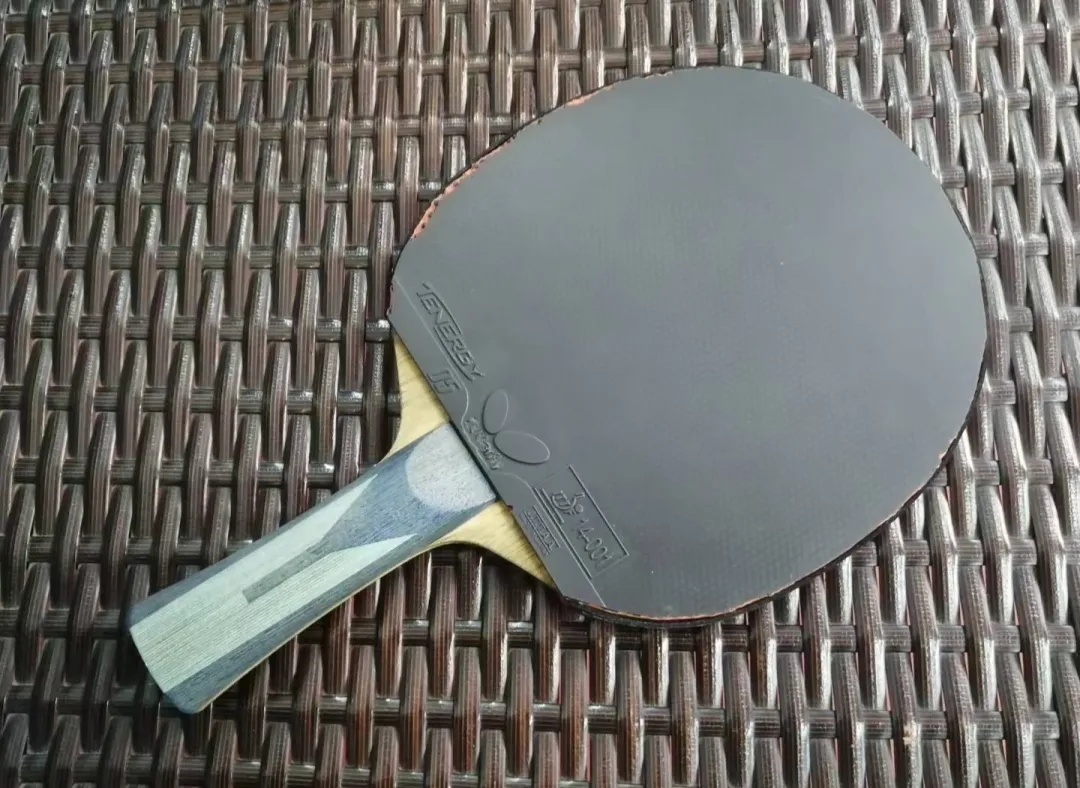
The 90g version definitely felt more solid, more powerful, and harder to the touch. The 85g version was softer and more prone to flex, but also felt slightly hollow. One skilled player who tried both told me the 85g one inevitably sounded a bit dead, while the 90g was the real gem.
Generally speaking, when thickness is nearly the same, a heavier blade tends to have denser wood, giving a harder, more solid feel — which makes sense. In theory, lighter blades transmit through more easily, while harder blades perform better for power shots and flat attacking strokes. Pimple players who favor a fast-attack game also tend to choose heavier blades.
That said, as long as it’s not extremely heavy, you can adapt to most weights — regardless of how soft or hard the feel is.
3
National team players seem to be trending toward heavier blades. In the plastic ball era, it makes sense to look for a bit more power.
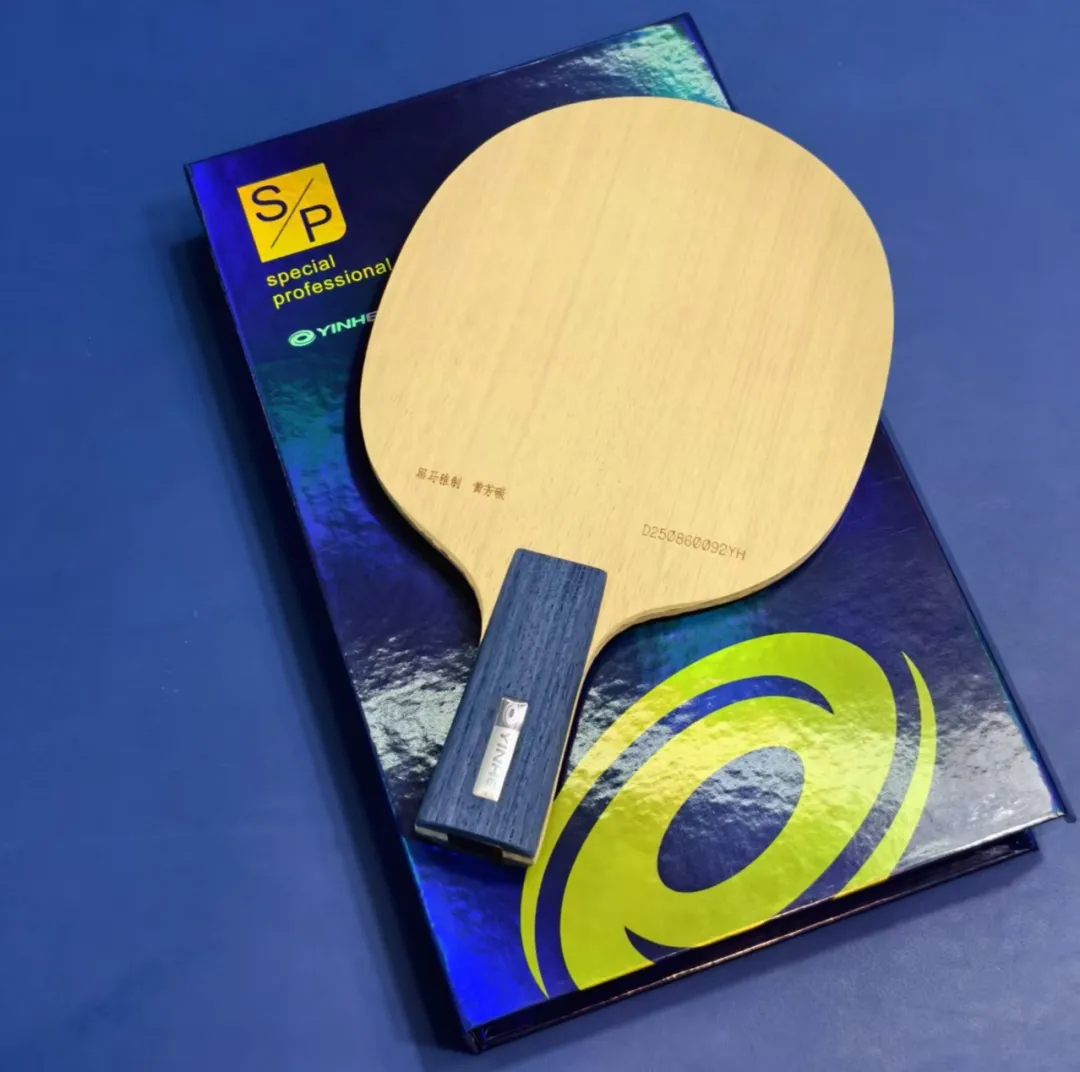
Yinhe also tends to produce heavier custom blades. Among the Yinhe specials I’ve tried — made for the national team or the North Korean team — every shakehand blade has been over 90g. The brand seems to believe that anything too light will hurt shot quality.
Of course, for us as individuals, it’s entirely personal. If your blade feels a bit hollow, you can adjust by choosing a firmer rubber or going up in sponge hardness. If you feel like the blade is too light and it’s hurting shot quality, try reframing it this way: a lighter blade allows for faster swing speed, which is also a component of shot quality.
4
Beyond the measured weight, the balance point is equally critical. It affects both the perceived weight in hand and how smoothly you can transition between forehand and backhand — including the execution of the backhand game.
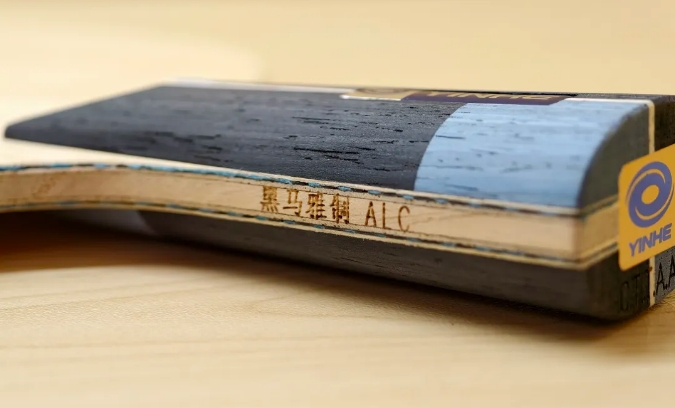
A W968, even when not particularly heavy, tends to feel heavy due to its slender handle and the resulting head-heavy balance point. That’s exactly why, when I designed the Heima Yazhi blade, I insisted on keeping the handle shape close to that of the Viscaria. That handle gives you a natural grip feel where you barely have to adjust when switching between forehand and backhand, and it provides greater stability on flicks and smashes.
5
Everyone pays attention to weight differences between blades, but it’s easy to overlook the weight differences in rubbers. A weight difference of 7–8g in the same rubber model is perfectly normal. I’ve weighed both plain Hurricane and Hurricane 8-80 side by side, and since then I’ve become much more sensitive to rubber weight.
I have to say — Butterfly’s flagship rubbers don’t have as much weight variation. Rubber is inherently a product with low yield rates. If you think a brand’s quality control is high, that only means some brands are cutting corners and setting the bar low for themselves.
6
Rubber weight also significantly affects the overall balance point of the racket. For penhold players, the weight difference between forehand and backhand rubbers can vary quite a bit more. But for shakehand players, if the forehand and backhand rubbers differ too much in weight, the balance shifts toward the blade head when striking a forehand, making it feel heavier than it really is.