Liang Jingkun's Epic Comeback: Best Drama of the Year
Appetizers First
In the first men’s team semifinal, Japan swept Chinese Taipei 3-0. Lin Yun-ju losing 1-3 to Harimoto Tomokazu in the first singles essentially meant the plan had failed from the start. When you slot Lin Yun-ju into the second singles spot, it means he has to win both his matches. There’s no margin for error.
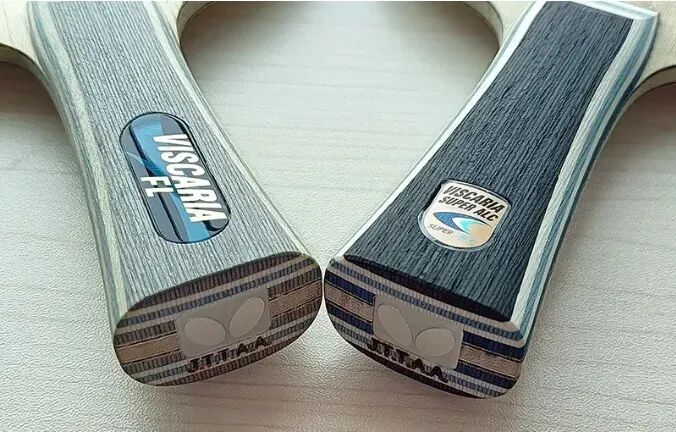
Lin Yun-ju: Super Viscaria, Z03, D05
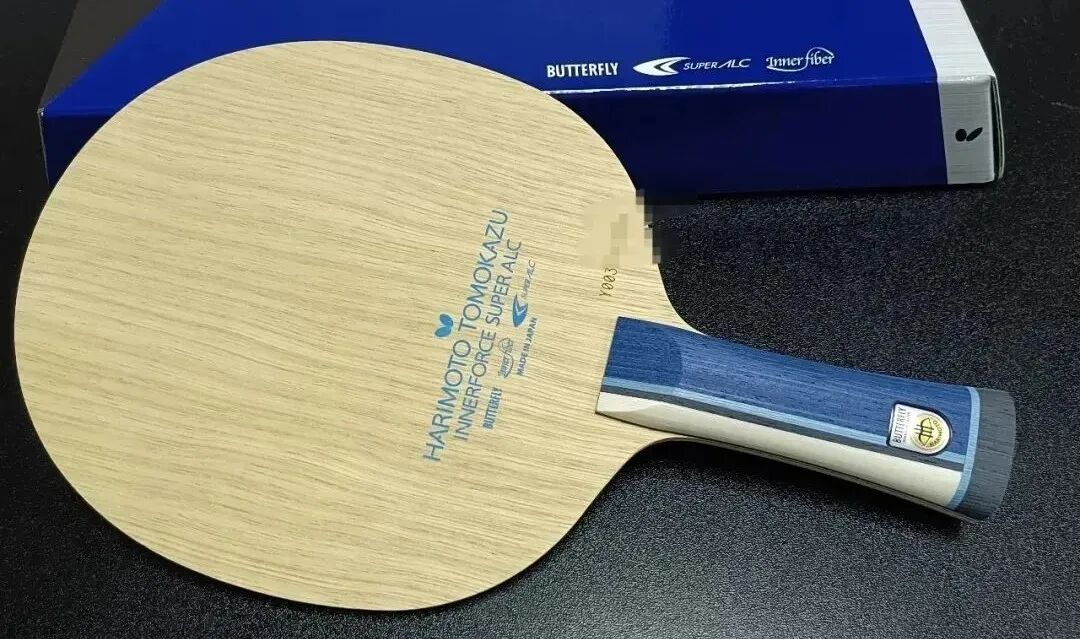
Harimoto Tomokazu: Harimoto Tomokazu SALC, Z03 on both sides
Lin Yun-ju’s backhand flip had been looking really sharp recently, and that carried over into the match. Both players tried to attack and flip first, and if that wasn’t working, they’d push long. Lin was in good form and took the first game.
Starting in the second game, Harimoto picked up the pace of his exchanges and served more no-spin/heavy-spin variations to limit Lin’s flipping game.
In games three and four, Harimoto was well-prepared for Lin’s forehand-side flip (mostly crosscourt), and his coverage of the table was enormous. Lin made some adjustments on his serve but they had limited effect. Overall, Lin’s attacks were mostly crosscourt, which suited Harimoto’s defense. Harimoto also kept his shots very wide and transitioned faster.
At the end of the fourth game, Lin came back from 7-10 to 10-all and seemed to have found something — attacking Harimoto’s forehand hard was creating chances. But it was too late.
On the equipment side, the Super Viscaria feels more deliberate and controlled, with a dwelling sensation on contact that helps generate more spin but also makes it easier to overload. It suits power players. Harimoto’s SALC feels more transparent and fluid, with seemingly less depth — but it’s more forgiving.
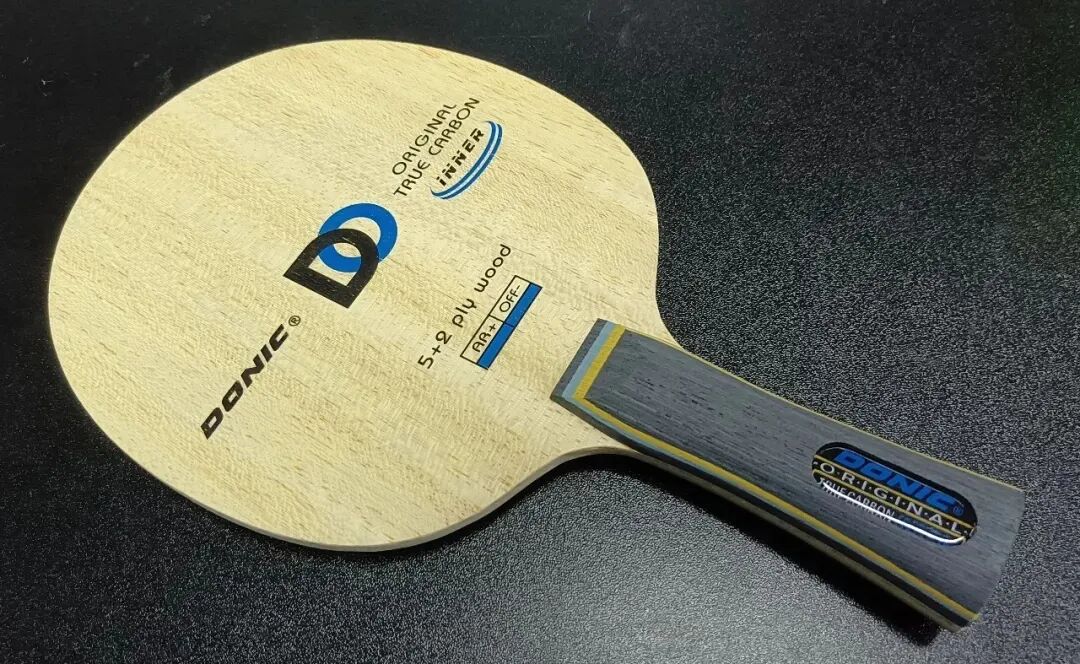
In the second singles, Feng Yixin lost 0-3 to Matsushima Sora. Not surprising given the level difference. Feng was using the Donic Original True Carbon — inner KLC construction with a kiri core. When you really load up, it’s snappier than the Harimoto SALC, but less transparent.
The Real Show Begins
In the second men’s team semifinal, the first singles between Wang Chuqin and Coton was already incredible — but it turned out to be just another appetizer.
Wang Chuqin: Q968, NEO Blue National, Hurricane 8-20 Special Coton: Donic Relevant, Blue Star A1 on both sides
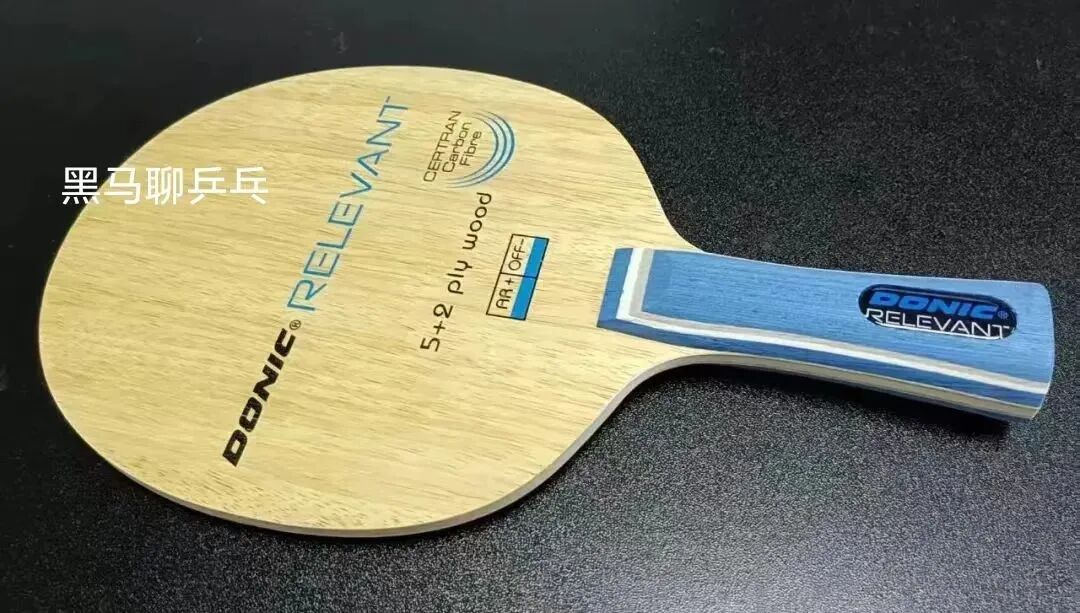
They went the full five games. Coton barely uses a transitional shot — almost every ball is loaded. His receive-and-attack flips are practically a reflex. Both players kept varying their serve placement to break each other’s focus. Wang served a lot of long balls to the middle, then attacked fast in transition. Both were constantly guessing the other’s serve.
Wang came back from 1-2 down to win. The key was this: on one hand, Coton is young and his rhythm is relatively one-dimensional. On the other hand, Wang eventually just played his own game — commit to blocking that first ball, then do whatever feels right.
In the second singles, Lin Shidong lost 0-3 to Felix Lebrun. He genuinely gave it everything. His forehand felt better than before — real improvement. But he never got comfortable with Felix’s fast, unpredictable serve rhythm.
The Real Drama
The genuine theater arrived in the third singles, and nobody saw it coming. Even if you’d guessed that Liang Jingkun might stage a full five-game comeback — his signature move — you could never have predicted it would unfold like this.
3-11, 1-11. Liang Jingkun dropped the first two games to Alexis Lebrun. After those two games, you’d basically written him off. He couldn’t kill any balls, and he was making a ton of unforced errors. A textbook portrait of a player with his head gone.
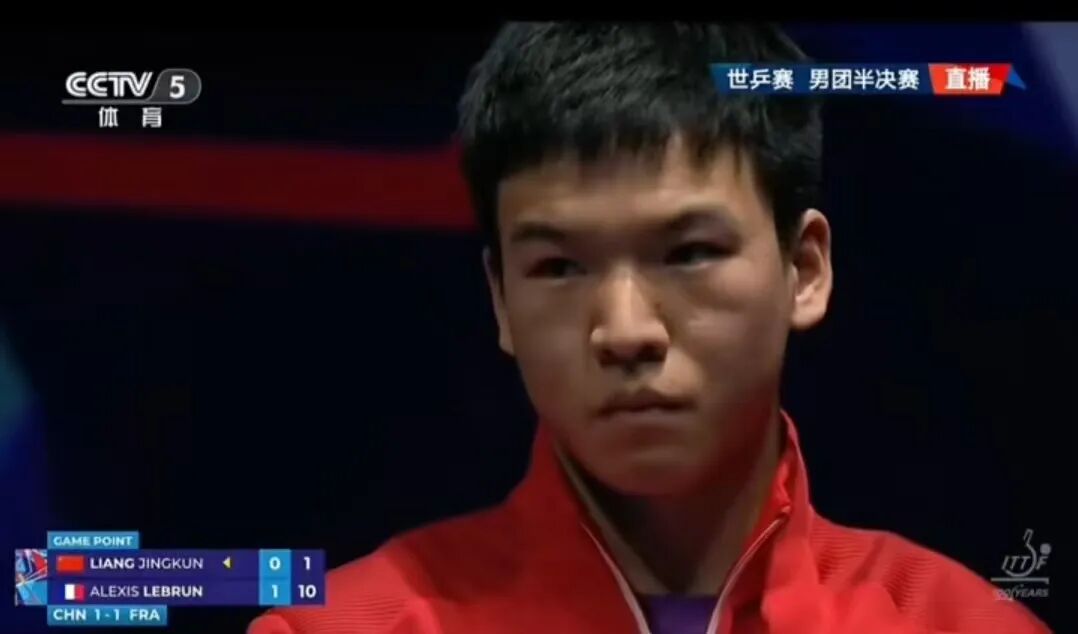
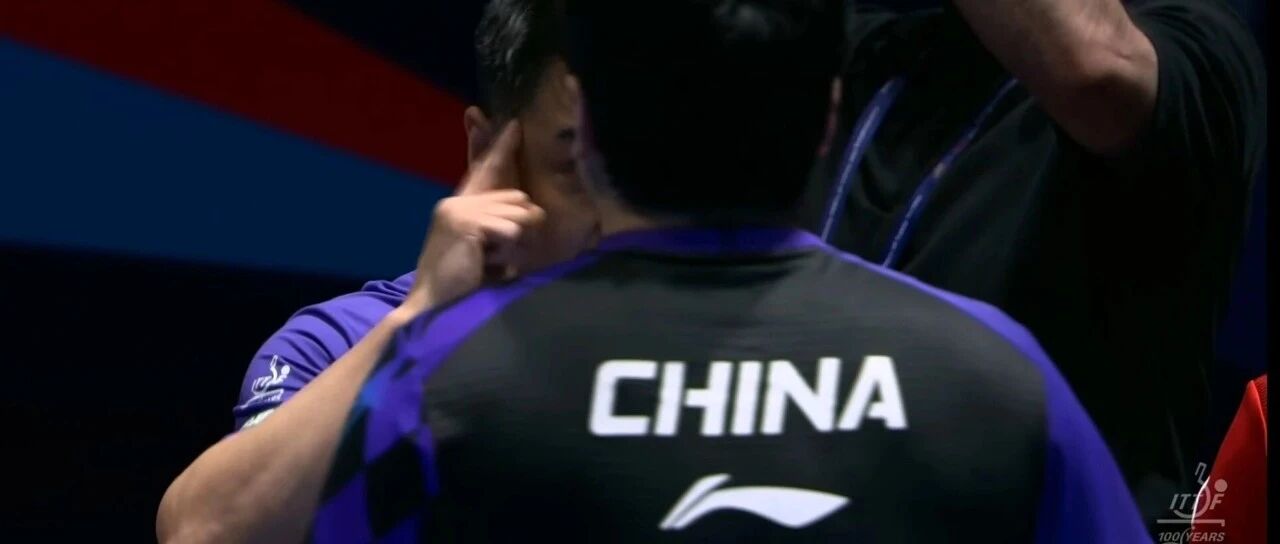
During the changeover, coach Wang Hao told him (roughly): you’ve already lost, and you’re still out here — that’s heaven giving you another chance.
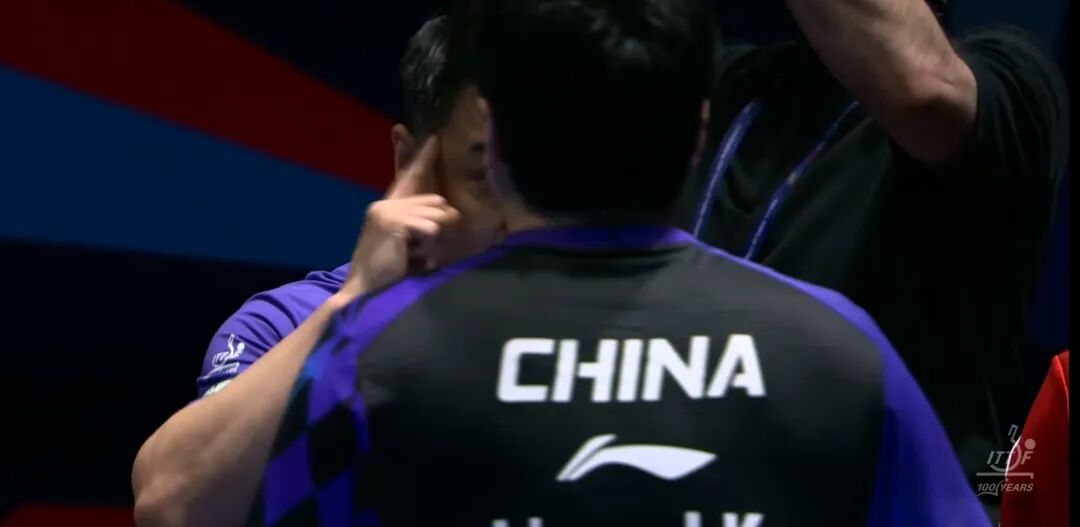
Somehow, Liang took that to heart. Four points total in the first two games, and he actually listened. That took nerve.
In the third game, Liang started pumping himself up, yelling to fire himself up. Commentator Hou Yingchao has this habit of calling turning points — and he’s right maybe eight or nine times out of ten. At 12-all in the third game, he called it a turning point. Roughly correct. Liang won that game 15-13.
In the fourth game, Liang kept trying to stay in rallies and absorb the pressure. He didn’t need to go for winners every ball. Even when both players went for it, neither could put the other away cleanly. In that moment, defending was actually the best offense. Liang entered a state of total possession — a kind of controlled frenzy — and I’d strongly recommend watching the match footage again. It’s absolutely electric.
If the story ended there, it still wouldn’t be dramatic enough. With Liang leading 10-3 in the fourth game, Alexis clawed all the way back to 10-all. Hard to watch. A loosened-up Lebrun was playing all kinds of unconventional combinations. Fortunately, Liang held on in the end. 12-10.
The deciding game was supposed to just be more of the same fire and intensity. But then came the bonus twist.
Liang Jingkun was ahead 9-2 when Alexis got called for an illegal serve by the umpire, making it 10-2. Salt in the wound. And then — Alexis challenged the call. Like the drama needed to get any more absurd?
The challenge failed. 10-2 stands.
Liang Jingkun finished it off 11-2, exactly as everyone hoped. This match has to be the comeback of the year, and the plot twists went well beyond anything you could have imagined. What a rollercoaster. What a heart-pumping, legendary five-game thriller.
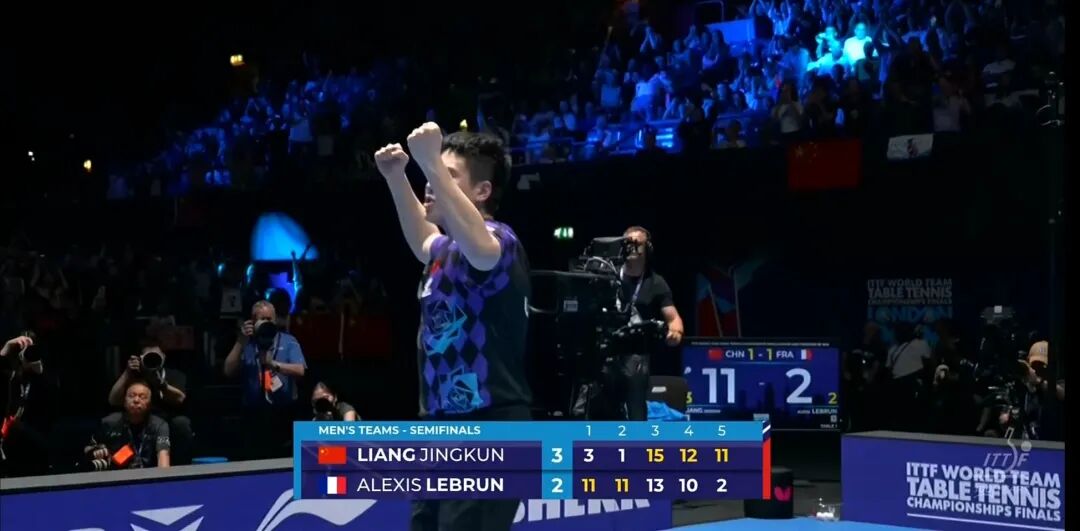
After watching that comeback, I was worried about my own heart — I went straight to bed. Because I was confident Wang Chuqin would beat Felix in the fourth singles. And sure enough, he did.