Weekly Gear Watch 246: The Lebrun Brothers Are Switching Rubbers
1
Yes, those two rubbers: Tibhar Infinity MX-P (50 degrees hardness) and Infinity MX-S (52.5 degrees hardness).
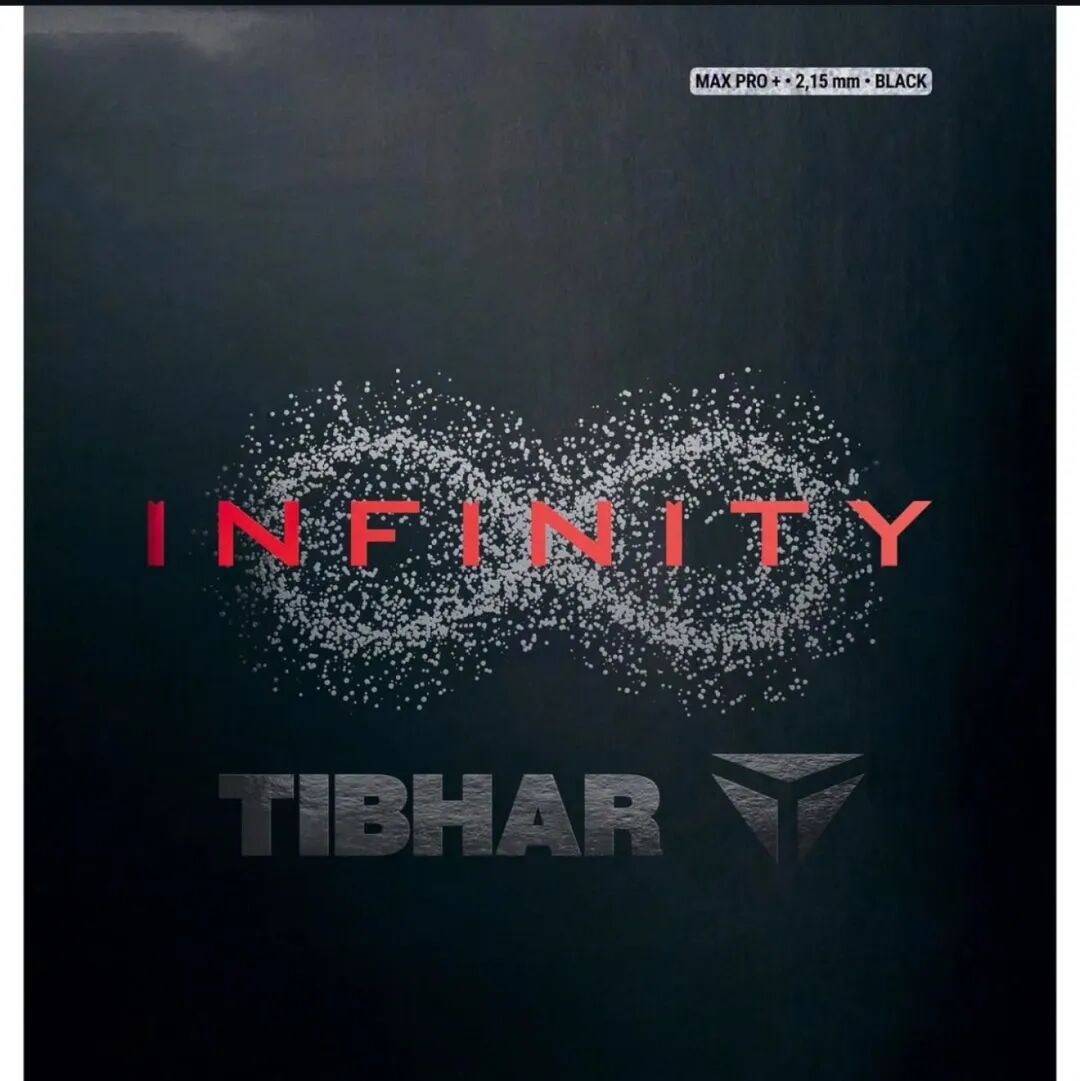
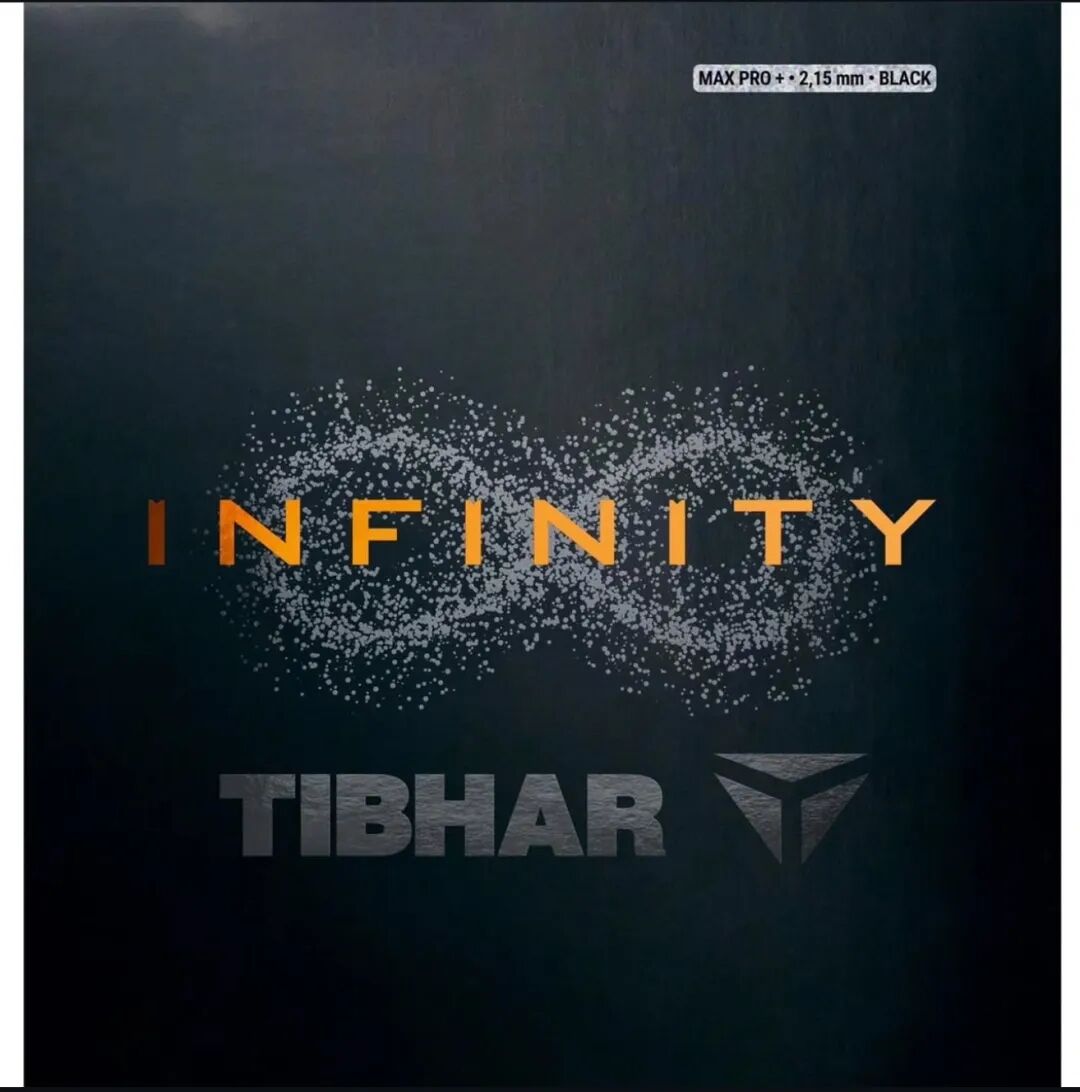
This time they shouldn’t ghost us. Reports suggest a release around May 11. Where? Good question — definitely not China first. Following the usual pattern with Tibhar blades, Japan will almost certainly get it first, since Tibhar Japan’s division has unusual independence. Trial play of the Infinity is already underway domestically in Japan.
The Lebrun brothers are considering trying Infinity on their forehand, likely chasing more speed. Perhaps inspired by the massive success of Butterfly’s ZYRE-03.
Darko Jorgic has been using Infinity MX-P for several years already. It’s been “coming soon” for ages and has clearly arrived very fashionably late.
2
Fan Zhendong’s farewell appearance at Saarbrucken saw him use D09c on both sides. Given the new table and ball changes, flipping the paddle and even playing double D09c has become routine for Fan Zhendong.
At this month’s WTT Taiyuan event, Daifuji Satsuki won the women’s singles title. Her usual setup is a Zhang Ben Zhihe SZLC blade with ZYRE-03 forehand and D09c backhand.
But in the semifinals against Hashimoto Honoka and the final against Sato Hitomi — both choppers — Daifuji chose to flip her paddle: D09c forehand, ZYRE-03 backhand. My guess is that D09c gives better grip on the ball, more stability, and more controllable spin variation when making quick tactical adjustments against choppers.
Perhaps in the future, flipping will become routine for players. And for us recreational players, don’t limit yourself.
3
Speaking of choppers, Li Tianyang also made the men’s singles semifinals at Taiyuan and drew some attention. His setup this time: DHS 08X special edition blade, NEO Blue National Hurricane forehand, and 802-40 short pips backhand (a rubber Liu Guoliang once used).
Back in 2024 his backhand rubber was Victas Spinpips D3, the successor to TSP Super Spinpips Chop Sponge 2. “Chop” says it all — this is a chopper’s pimple rubber. Relatively low hardness at 37.5 plus or minus 3 degrees, with what the company calls anti-loop sponge. My take: a relatively soft, low-rebound sponge.
“Dampening springback” is one of the key priorities for many choppers. Han Ying once used Victas Spectol S3 short pips to chop — small pips, great variation, but also a high-rebound sponge. At least since late last year, apparently to improve stability, she switched back to the classic Spectol S1.
The dampening idea also shows up in inverted rubbers. A few years back, Victas VS greater-than-401 and VS greater-than-402 were popular in chopping circles. Their horizontally arranged pips perform steadily when absorbing and defending against hard loops. That’s another form of “dampening springback.”
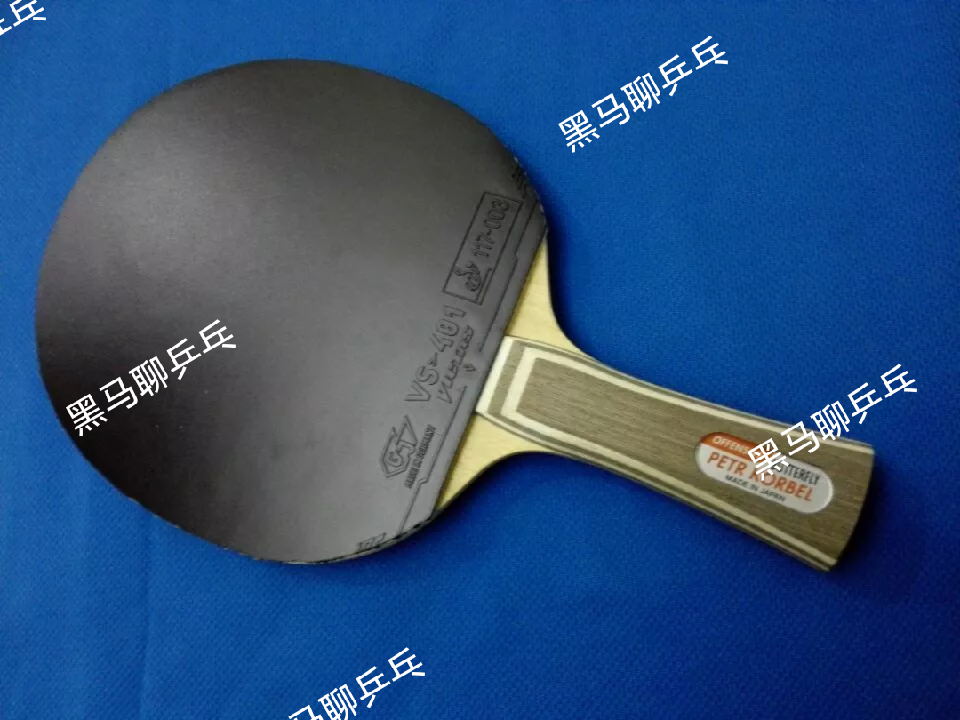
Another inverted rubber that was once popular among Chinese national chopper players: Tianji 3, used by Wu Yang among others.
4
On the subject of “dampening springback,” here’s the latest:
Moregard: Cybershape Carbon Gold Label, both sides HELIX Platinum XH Wen Ruibo: Luma mixed-carbon blade, NEO Blue National Hurricane, DNA Hybrid XH
Both have switched from 55 degrees to XH. From my own one-session experience with the Luma, that blade has solid explosive feel — you don’t need to pair it with very hard rubber.
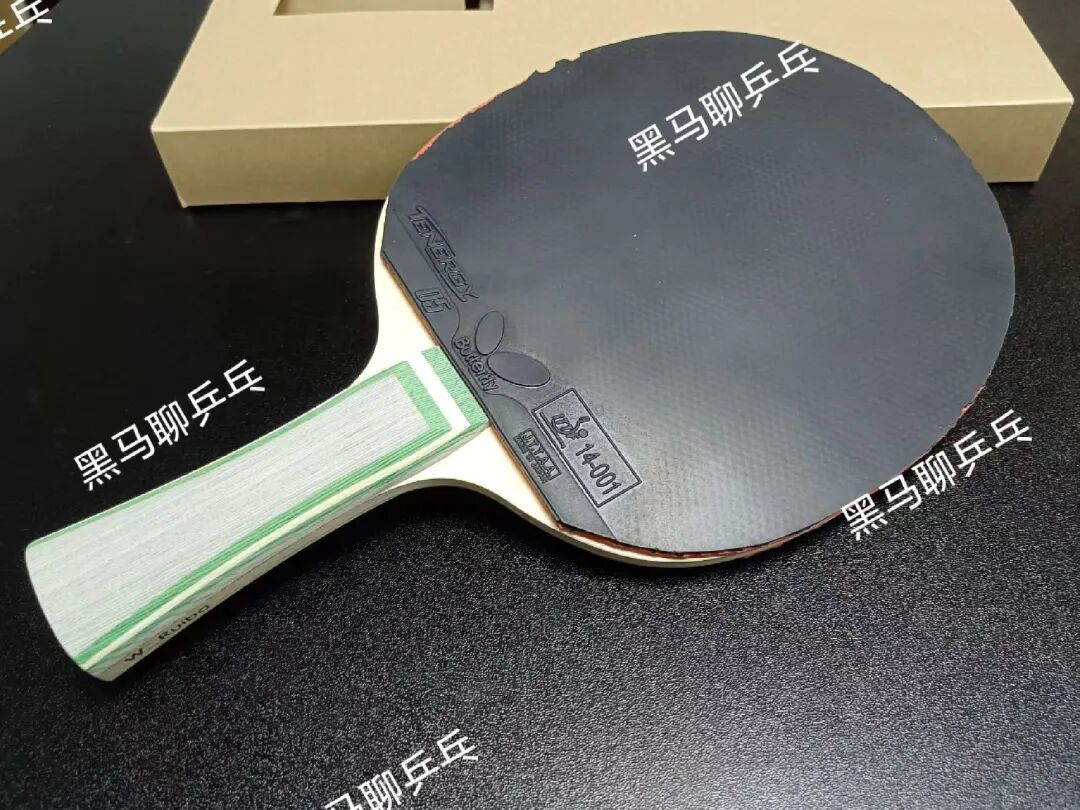
Beyond horizontally arranged pips and lower hardness, there’s a third way to dampen springback: choose a tacky topsheet. Which is exactly what I did — I mounted two grippy rubbers on the Luma. Now I’m thinking a slightly tacky rubber might pair even better, so I’m swapping rubbers this week to test.
If you’ve gotten hold of a Black Horse Yazhi Max ZFC and find it too lively, the move is: go with a lower-hardness or tackier rubber. That’s a workable adjustment.