Wang Chuqin's Biggest Rival Emerges; Hugo vs Felix Was a Battle of Nerve
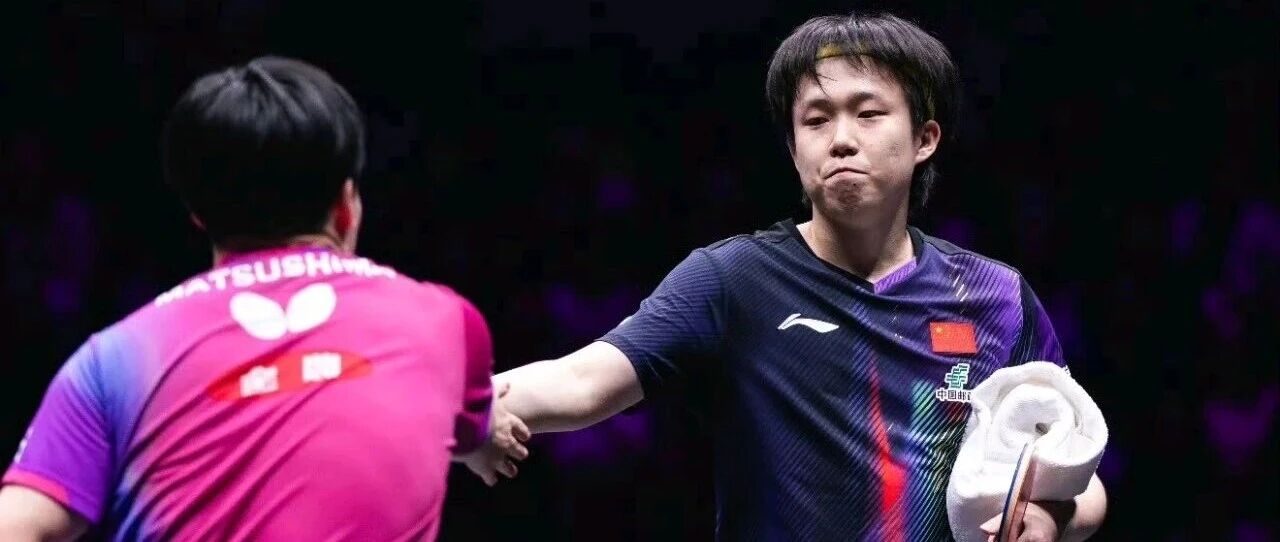
I only get one evening off a week — usually tea with my parents. But tonight’s matches were too good to miss, and by the time I finished watching Hugo vs Felix I was exhausted.
There were plenty of great matches, but let’s focus on two: Wang Chuqin 2–4 Matsushima Teruki, and Hugo Calderano 3–4 Felix LeBrun.
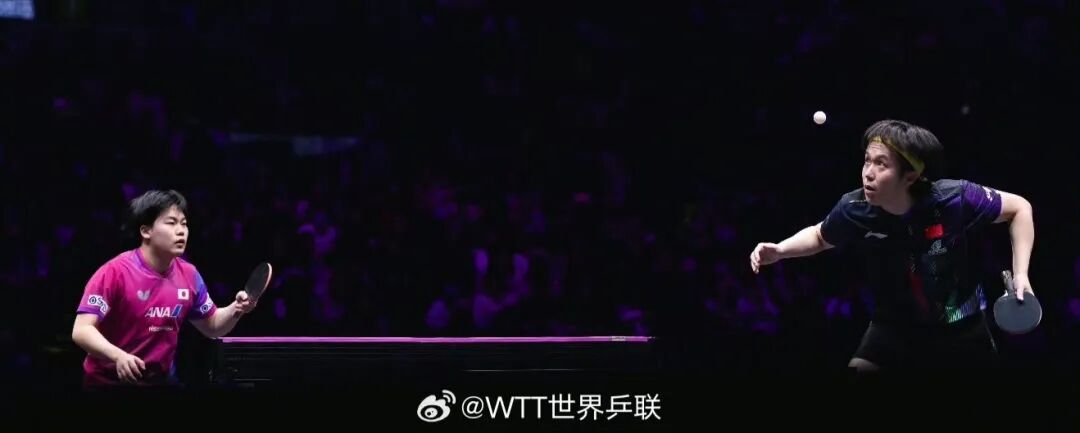
Wang Chuqin: Q968, NEO National Hurricane 3 (blue sponge), Hurricane 8-20 special production
Matsushima Teruki: Fan Zhendong ALC special production, D09c, Z03
First, the equipment. Why do I say Matsushima’s blade is special production? To those who say that blades with a visible price tag are retail versions — take a look at Portugal’s Geraldo.
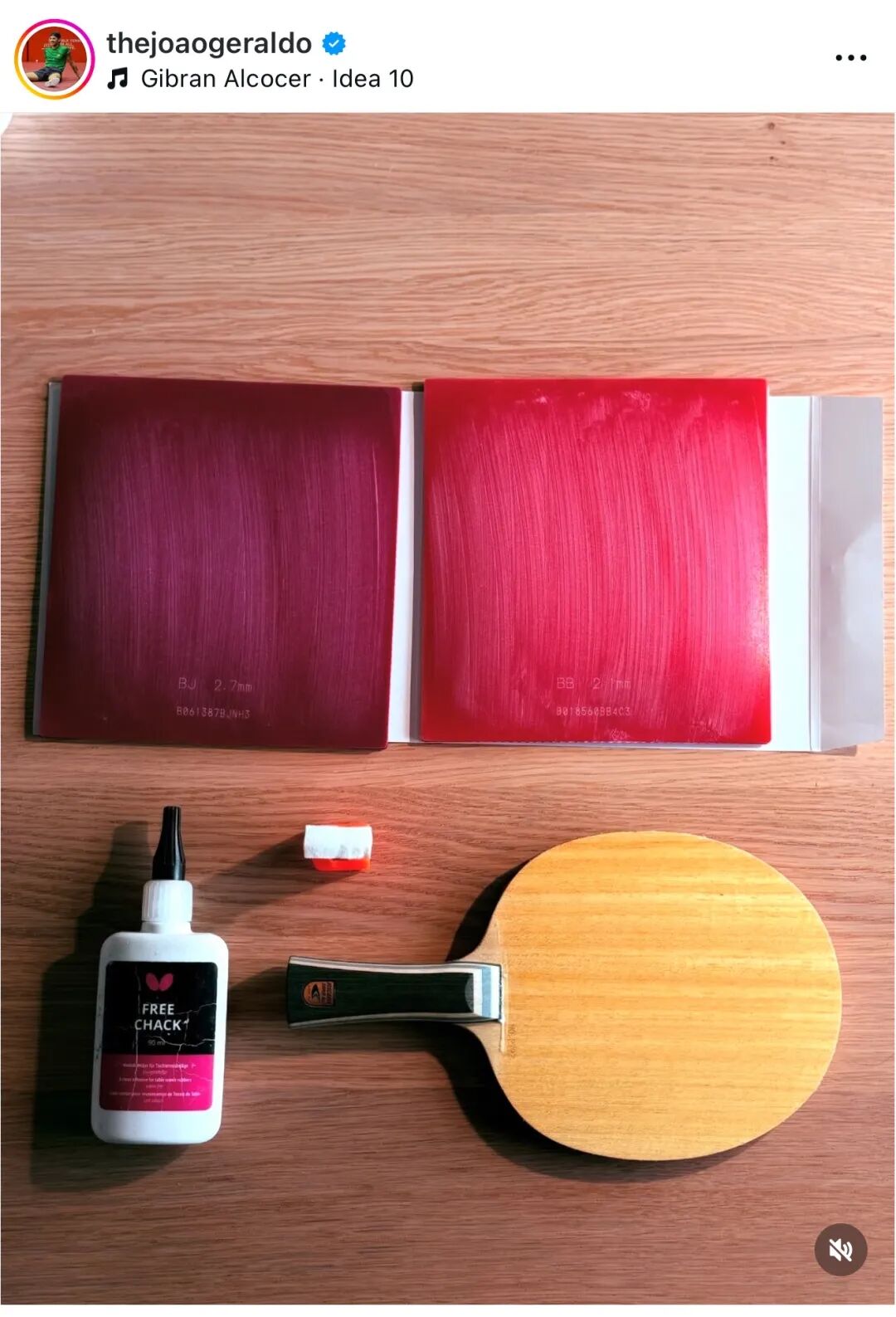
A signed player at that level is already using special production. Matsushima, who has a real chance to become Butterfly’s new flagship star, certainly is. As for the difference between special production and retail: some players can’t feel it — that’s fine, it just means you haven’t reached that sensitivity yet. Ball grip, support, and load-up feel are all different.
Now about Wang Chuqin’s Q968. I don’t know how long he’s been playing with this one, or whether it’s gotten a bit worn-out and soft. By comparison, the blade seems to lack enough support — there are some loops going into the net that I can’t explain. It reminds me of my own worn-out Yoshimura Masaharu LE from a couple years ago.
On the tactical side: Matsushima always mixes in those sudden long-topspin serves — it’s a habit, because he defends well and when he can’t find an opening, he’ll push long to change the rhythm. Looking at their recent head-to-head results, including Wang Chuqin’s 4–3 comeback win at the 2025 Hong Kong Finals in December, and his 2–3 loss at the 2025 Asia Cup teams event in October, you realize that Matsushima is now a bigger headache for Wang Chuqin than Harimoto Tomokazu.
Several reasons. For one, Wang Chuqin can’t receive Matsushima’s serve well either. In the second game, Matsushima came back from 1–5 down to 3–5 using two serves aimed at the middle body. That serve position worked well throughout the whole match.
For another, Matsushima is left-handed and has been consistently increasing his speed. I’d suggest that for any major tournament going forward, China should bring back Lin Gaoyuan — a left-hander and someone I know personally — at minimum for sparring. Left-handed players have a different speed profile, line, and rhythm that right-handers have to train against specifically.
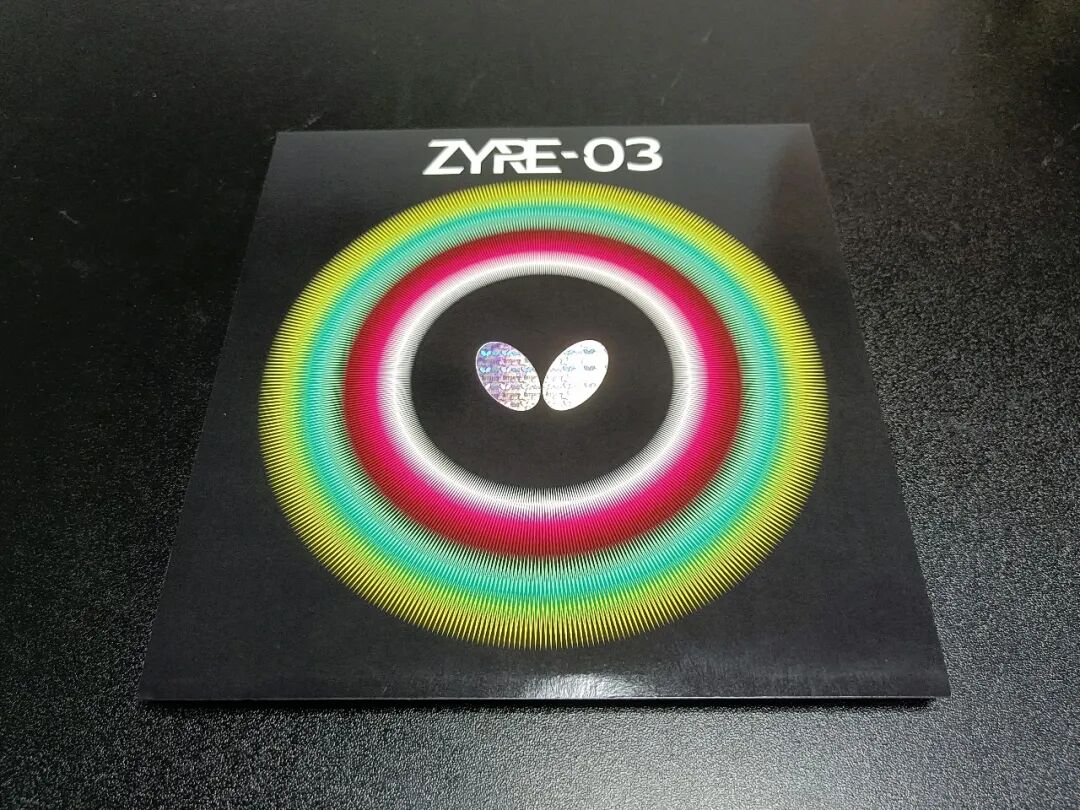
Since switching to the Z03 on his backhand, Matsushima’s backhand has been running hot for the past few months — no need for heavy spin, just pace. That line was not giving Wang Chuqin anything. While the forehand cross was still Wang Chuqin’s advantage, Matsushima’s speed today was simply blistering. Even though Matsushima had a brief mental wobble and played below his level for a short stretch, if Wang Chuqin can’t produce richer spin variation and wider forehand angles, beating him is going to be hard.
Oh, and Matsushima’s current coach is Morizono Masataka — also a left-hander. So everything from practice to match insights on how to play left-handers, Morizono is definitely helping him.
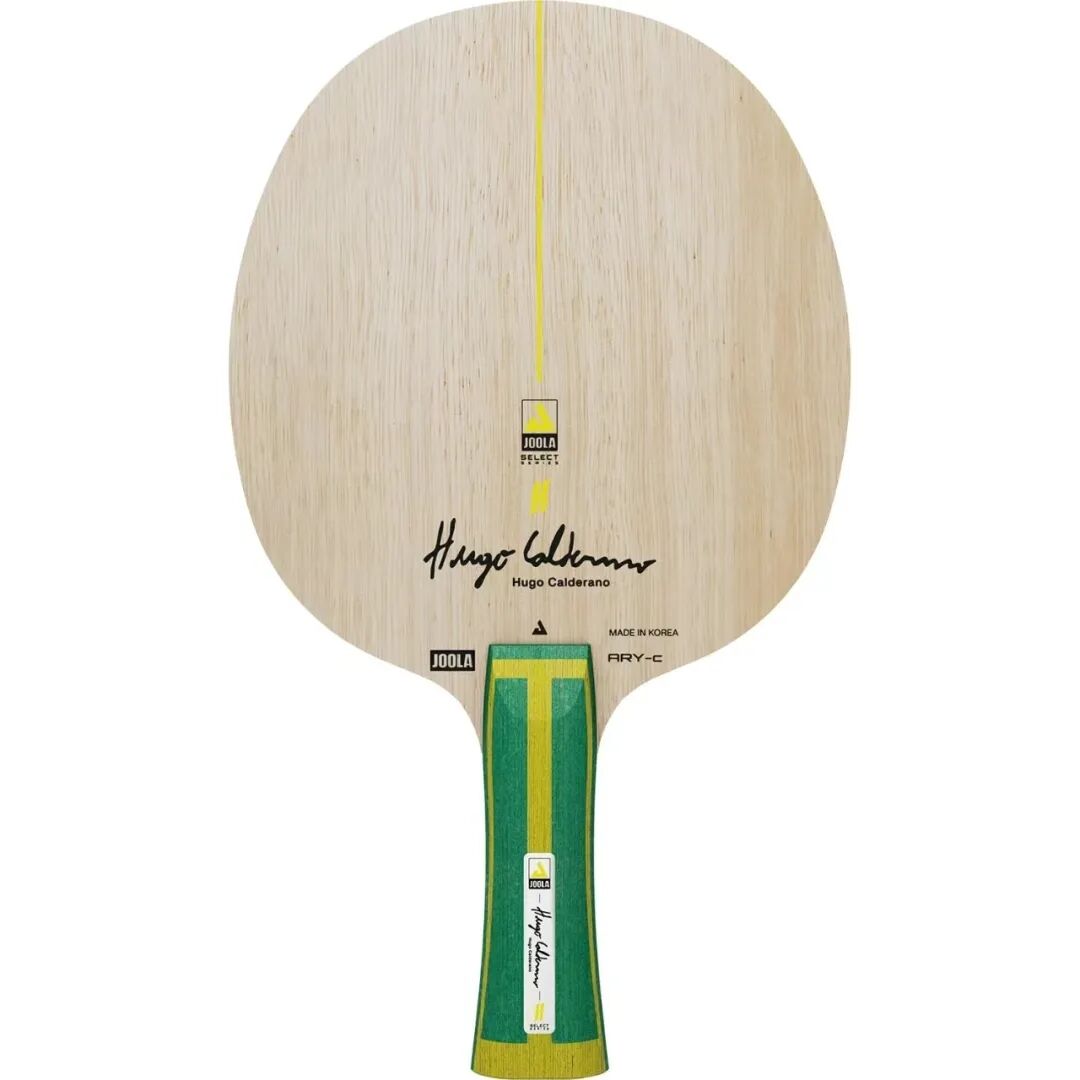
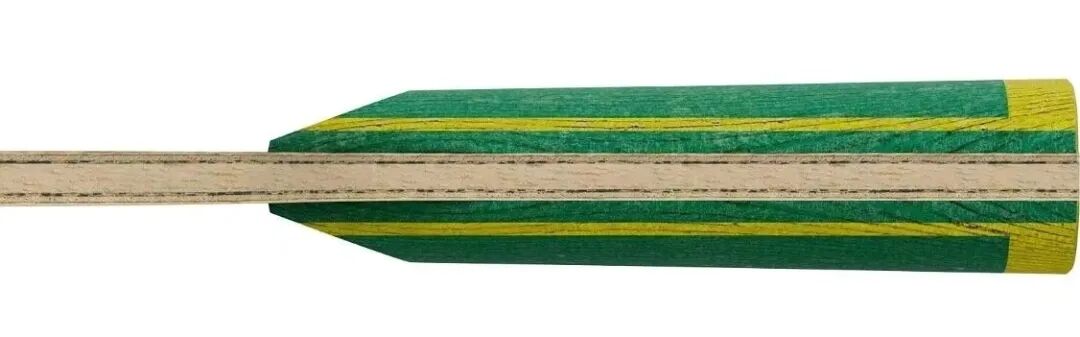
Hugo Calderano: Hugo Calderano ARY-C (inner carbon), both sides Trinity Charged (57.5 degrees)
Felix LeBrun: Tibhar Felix, both sides K3 Pro (custom harder sponge)
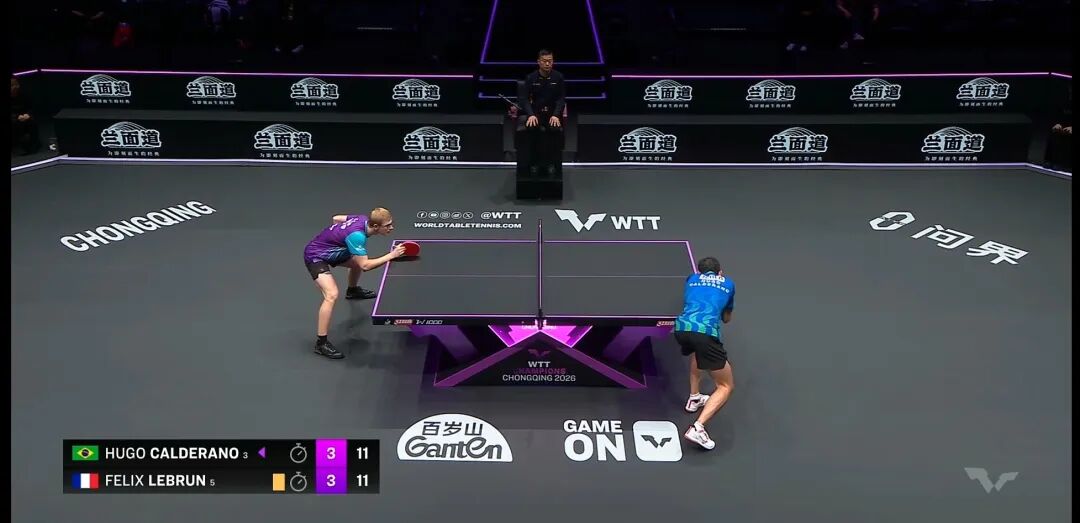
This match went to the deciding game 11–13, with Hugo losing. If I hadn’t taken a nap at noon, I probably would have nodded off before it ended.
I thought Hugo was going to win for a while. He really is the mid-range king. He deliberately dropped back from the table, using the space to absorb Felix’s pace and buying time. From mid-range, he could also leverage his physical strength advantage. And that mid-range zone is the sweet spot for his inner carbon blade.
Felix’s sweet spot is close to the table, where he needs to accelerate through the ball to beat Hugo. Once the rally turns into a mid-range exchange, he’s at a disadvantage.
So how did Felix ultimately win?
First: the forehand short game. It remains Hugo’s biggest weakness.
Second: in the later stages, Hugo simply wasn’t as bold as Felix. Felix played more aggressively.
See, every temperament has its upside and downside. Players like Felix, who are intense and even hot-tempered, are also the ones with the guts to go all-in at the crucial moment.
Hugo seems to be trying to reach the next level of play. There’s a ball he could have attacked, but he deliberately chose to push it short — something the masters like Ma Long and Fan Zhendong do. You can explore that approach, but for now the fundamentals aren’t quite there yet.