Do You Really Need a Different Blade for Different Venues?
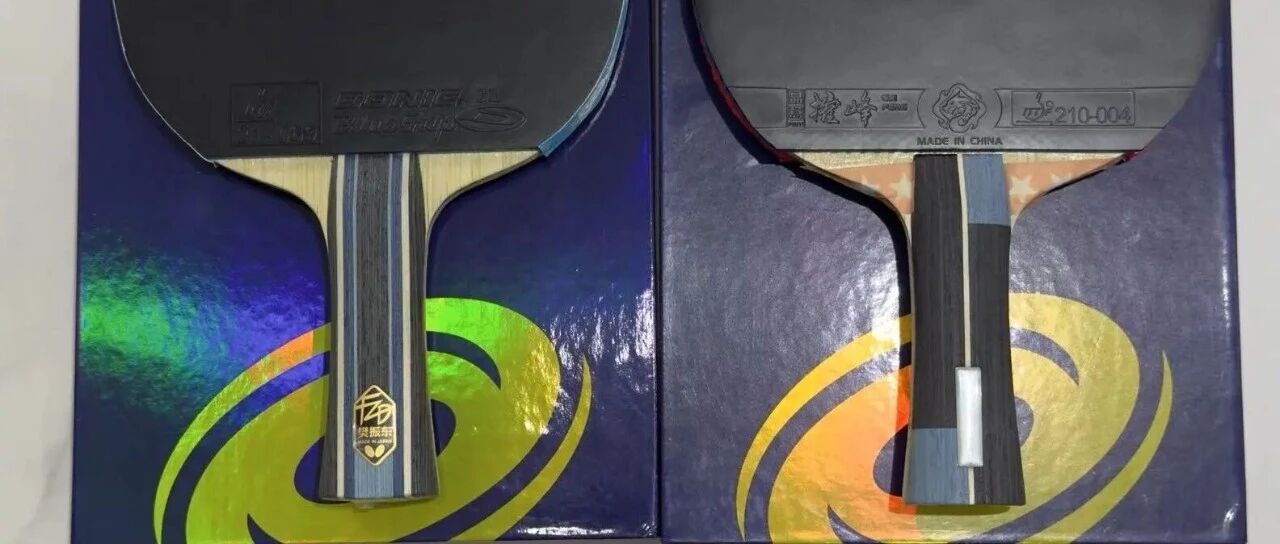
The topic came up because an overseas friend told me he’d been using the Fan Zhendong ALC in a small venue and liked it fine. But when he took it to a large hall converted from a badminton facility, the ball felt weak and floaty. He switched to the Hei Ma custom ALC he had with him and finally felt he had enough depth.
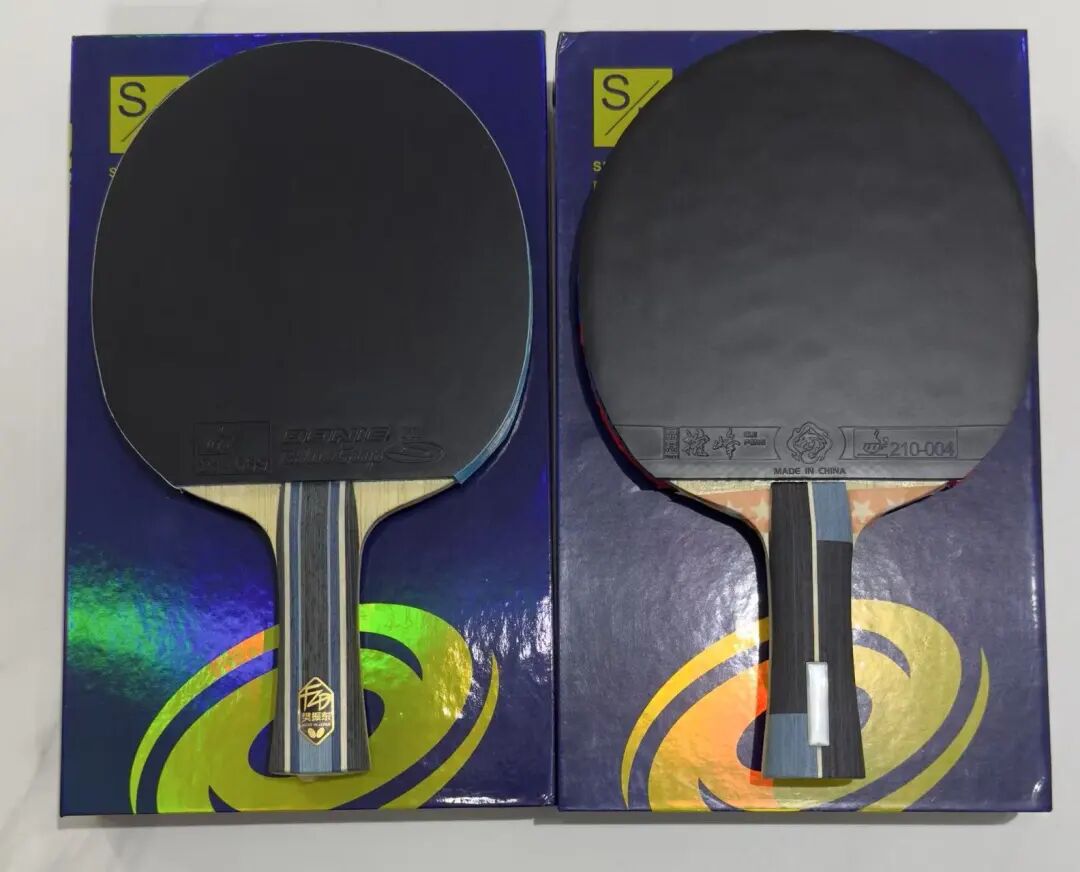
I said: some professional players use the Fan ALC in large halls without feeling the ball quality is lacking. Part of that is because they generate better force. Another part may be that they selected a slightly heavier specimen of the Fan ALC.
And of course, Butterfly-contracted players are a different case — the special editions bounce noticeably more than the retail versions.
So the question is: do we actually need different blades for different venues?
1.
In an interview, Niwa Koki once said he uses the pure wood Niwa Koki blade in small venues and the Niwa Koki ZC in large ones to compensate for the speed deficit.
Whether the ball actually flies slower in a big hall or whether it’s just a perceptual illusion isn’t our topic today. Players just feel that way. In small venues where ball speed already feels fast, a blade with better inherent control — pure wood — makes sense. For large-hall competitions where speed feels lower, a carbon blade with more “hardness” helps push the pace.
The same dynamic played out with Falck. At least that’s how Yasaka marketed it: he alternates between the pure wood Falck and the Falck Carbon.
A local advanced amateur has reported the same experience: Super Viscaria feels like enough in a small venue, but in a big hall he needs the Super Zhang Jike to feel that extra punch.
2.
Simon Gautz, during his time with Cannon and Andro, used to do the same — switching between pure wood and carbon fiber blades. But beyond the venue, he would also adjust based on the opponent and how he felt that day.
Since switching to the inner GreenFiber carbon Andro VCI, however, he’s been using one blade everywhere. Perhaps it gives him enough control and enough pop for all situations.
That gave me an idea: if you only ever play in small venues, fine — whatever works. But if you sometimes play in big halls and sometimes in small ones, maybe it makes more sense to just go with a good fiber blade from the start. In a large hall it won’t feel flat. In a small venue, once you adapt to the carbon’s bounce, you can hold it — and it saves you the trouble of switching.
3.
Ovtcharov also has venue-specific habits, but with glue rather than blades. In a small venue, he applies inorganic glue in two coats; in a large hall, three coats.
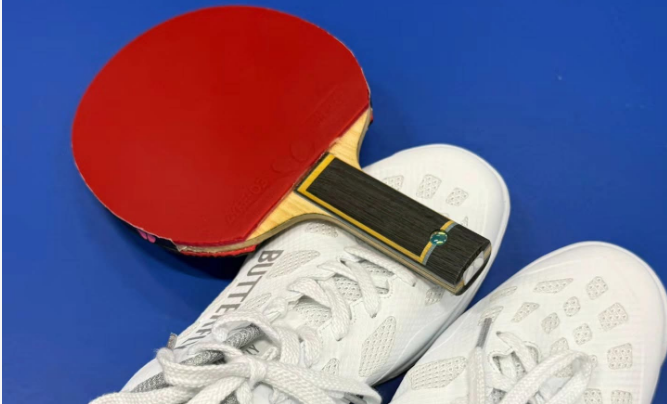
We all say inorganic glue doesn’t add spring, but the truth is that thicker application (more coats) provides better support, making it easier to generate force in large halls. In small venues, the ball already moves fast, so better control of the blade matters more.
There’s actually something to feel here. For example, when I glue on an outer rubber and use one brand of glue, the blade feels more springy. Using another brand from the same manufacturer, the spring is slightly less, but the bond is tighter. Some people like a bit more pop and don’t need the rubber glued down super tight. Others can’t stand the rubber peeling.
4.
Some other players also switch blades by venue. Xue Fei is one example. Though I don’t know him well enough to have asked exactly when he uses the N301 versus the pure wood N656-1.
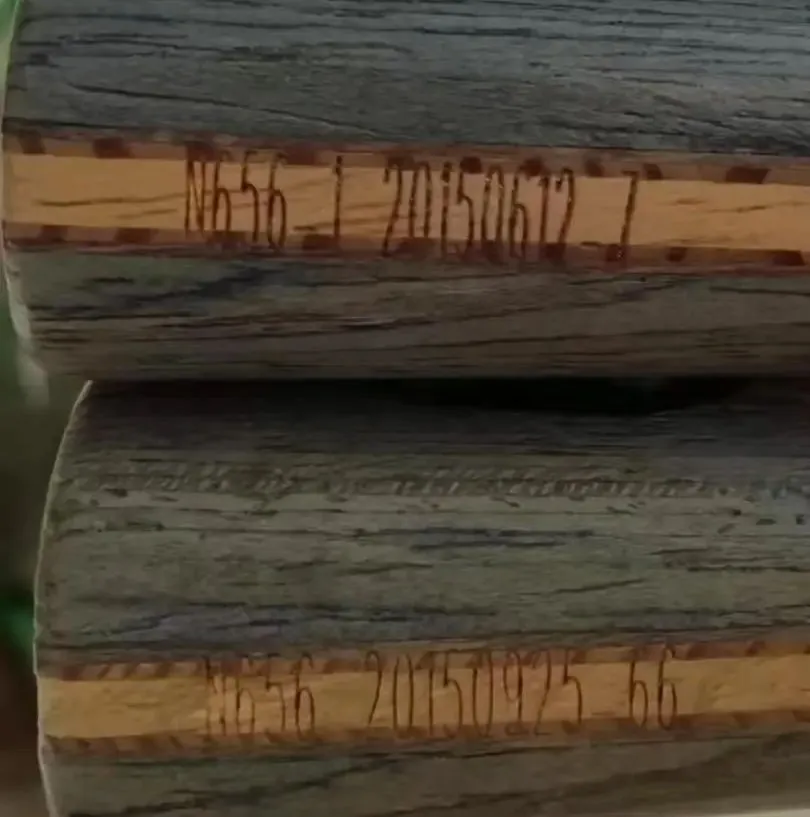
On that note: the backhand on the pure five-ply N656 or N656-1 is not as weak as you’d think, because it uses spruce “force wood.” That wood has a slingshot effect. You can feel the same thing in the Butterfly Palm 5 — also uses spruce force wood, and the backhand is crisp and snappy.
This also reminded me of a Sanwei SW968 from several years back. It too used spruce force wood, and the backhand was notably more powerful and punchy because of it.
As I’ve mentioned before: why do reviews of the same blade often produce very different results? Beyond quality variation, rubber pairing, and individual skill level — venue size is also a factor. The Fan Zhendong SZLC, for instance — I tested it in a small room and it was nearly perfect. Speed, dwell, control — all genuinely good. In a larger hall, it obviously felt flatter compared to the Super Zhang Jike.