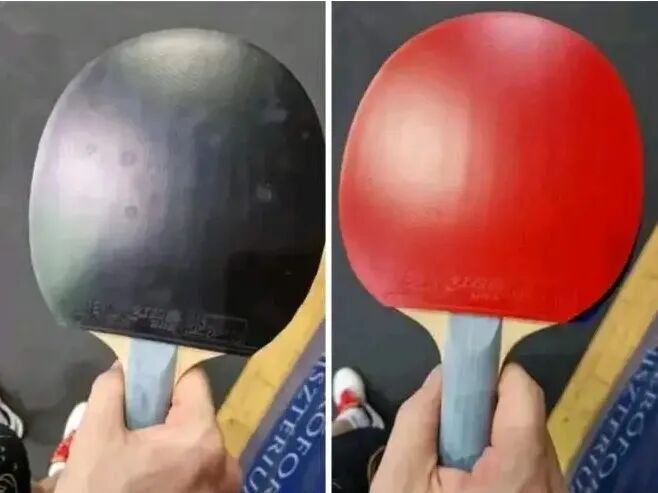
Differences in Using Classic Inner and Outer Fiber Table Tennis Blades
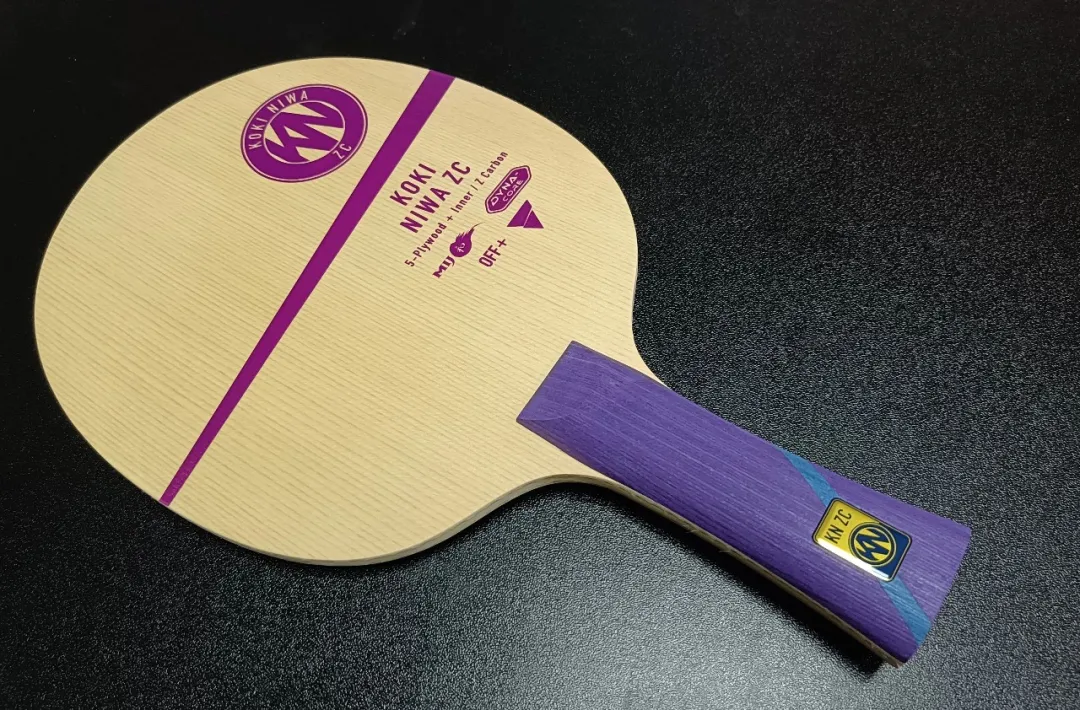
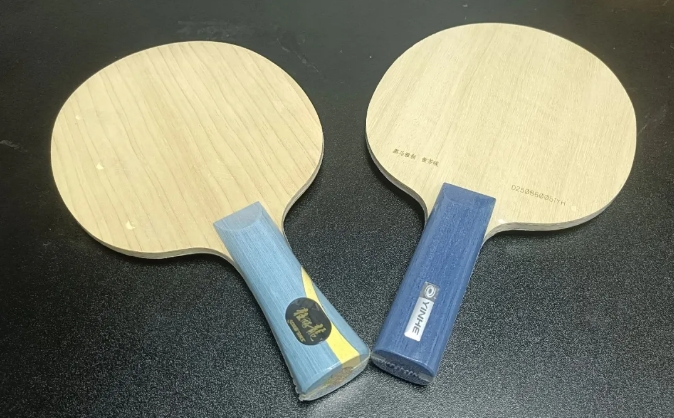
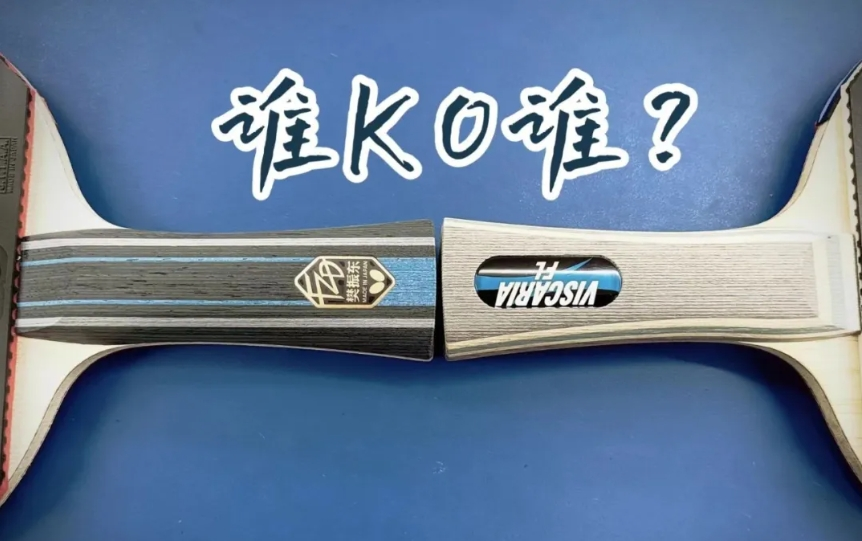
The most popular structure for both classic inner and outer fiber blades is 5+2 (five layers of wood, two layers of fiber). In this context, ‘classic’ refers to traditional designs, excluding special structures. The ‘inner’ refers to classic fiber placement with an Ayous core, while ‘outer’ refers to classic fiber placement with a Paulownia core. For example, the DHS W968 is a classic inner fiber blade, whereas the Zhang Jike SALC is not. The Butterfly Viscaria is a classic outer fiber blade, but the Xu Xin Blue Label is not. 
1. Core Strengths: Spin and Power vs. Speed
- Inner Fiber Blades: The key to their effectiveness is ‘rotation and power.’ While blades like the W968 and S968 can handle quick exchanges, they generally don’t match the speed of classic outer fiber blades. However, their strength lies in their ability to deliver high-quality shots with exceptional spin. Without sufficient spin, inner fiber blades can feel slower and less threatening.
- Outer Fiber Blades: These blades excel in delivering speed with moderate power. They are more forgiving and easier to control for quick exchanges and placement. For amateur players, outer fiber blades like the Viscaria or Fan Zhendong ALC offer a more immediate sense of speed and control.
2. Power and State Dependency
- Inner Fiber Blades: These blades require more power to drive and are heavily dependent on the player’s physical state. The energy must reach the fiber layer and Ayous core to utilize their full potential. When tired or lacking focus, inner fiber blades can feel sluggish. However, when fully energized, they can deliver explosive shots.
- Outer Fiber Blades: These blades are more forgiving and less dependent on the player’s physical state. They are easier to use effectively even when not at peak performance, making them a popular choice for players who want consistent performance without needing to exert maximum effort.
3. Technique and Rubber Influence
- Inner Fiber Blades: These blades can be more challenging to control with unconventional techniques. The fiber placement means that incoming spin and power are more directly transferred, requiring precise technique to handle.
- Outer Fiber Blades: These blades are more forgiving with various techniques and can be easier to defend with. However, they are more influenced by the choice of rubber. The right rubber can help control the blade’s natural elasticity and enhance its ability to handle spin and maintain arc.
In summary, the choice between classic inner and outer fiber blades depends on the player’s style, physical condition, and preference for power versus speed.