Do You Actually Need Different Blades for Different Venue Sizes?
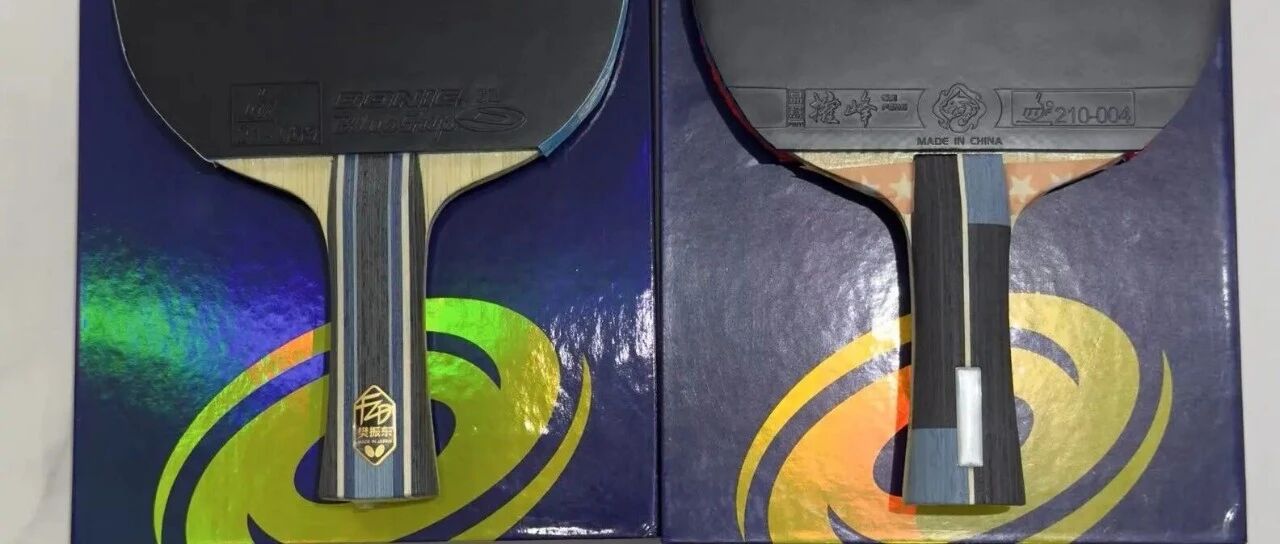
The starting point for this was a foreign friend who said he’d been playing in a small room and thought the Fan Zhendong ALC was fine. But when he went to a large hall — a converted badminton arena — the ALC felt soft and weak. So he switched to the Hema Yazhi ALC he’d brought along, and finally felt like there was enough bottom-end punch.
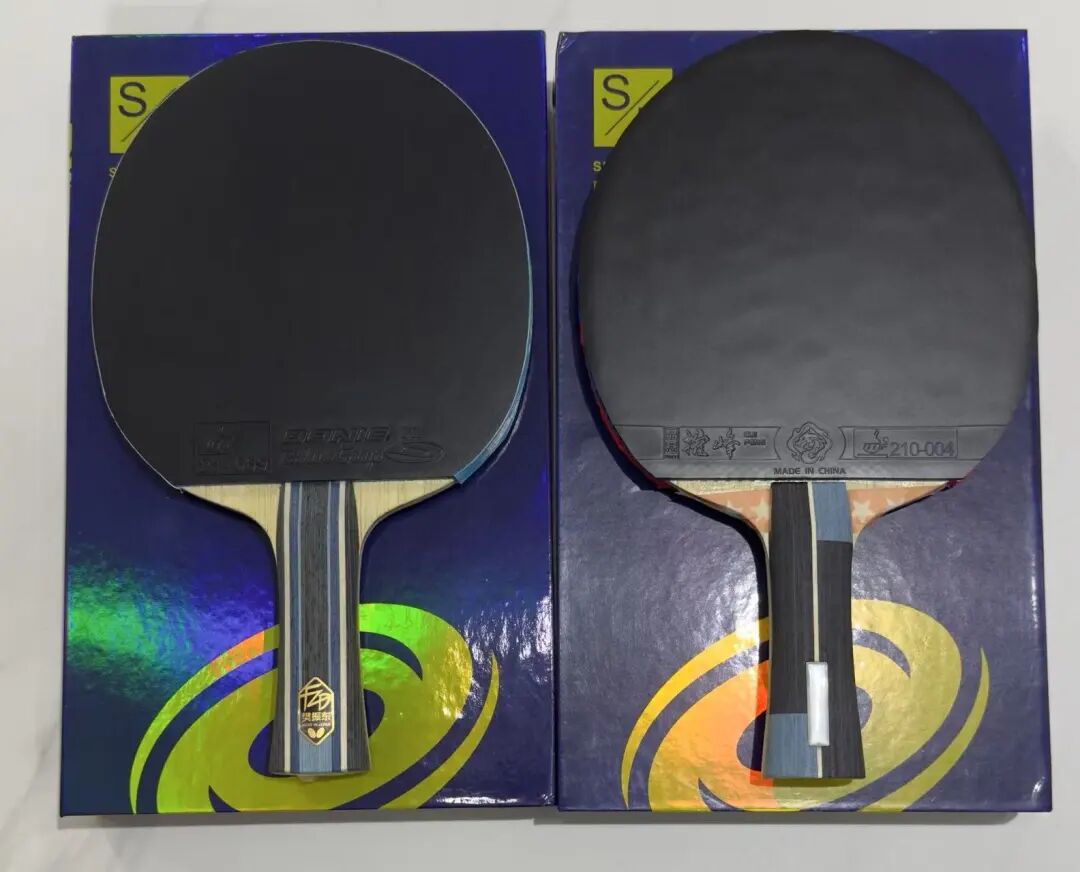
I pointed out that some professional players use the Fan ALC without feeling like large venues reduce ball quality. That’s partly because they apply better power, and partly because they may have selected a heavier Fan ALC.
Of course, Butterfly contract players are different story — their special-order blades are noticeably springier than the retail versions.
So the question becomes: do we need different blades for different venues?
1
In an interview last year, Koki Niwa said he uses the Koki Niwa all-wood in small venues and the Koki Niwa ZC in large venues to compensate for the perceived speed deficit.
Whether a larger venue actually makes the ball feel slower or whether it’s purely perceptual is not today’s discussion. The point is, players feel it that way.
In a small venue, they feel the ball comes fast, so they use an all-wood blade with better control; in a large venue, they feel they need “hardness” in the blade to push up speed, so they switch to a carbon blade.
The same situation applies to Falck. At least that’s how Yasaka markets it: he switches between the Falck all-wood 7-ply and the Falck Carbon.
Locally, an advanced amateur player gave me the same feedback: in a small room he feels the Super Viscaria is enough; in a large hall he feels he needs the Super Zhang Jike to get results.
2
Simon Gauzy did the same when he was with Cornilleau and Andro — switching between all-wood and carbon fiber blades. But beyond venue size, he also adjusts based on opponent and how he’s feeling on a given day.
But ever since he switched to Andro’s VCI inner green fiber carbon, he’s been using the same blade in both large and small venues. Maybe he now feels this blade has enough control and rebound for both.
This led me to a thought: if you only ever play in small rooms, it doesn’t really matter. But if you sometimes play in large halls and sometimes in small rooms, you might as well just use a fiber blade with decent elasticity. That way, in a large hall you won’t feel underpowered, and in a small room you just adapt to the springiness of the carbon blade — that’s less hassle overall.
3
Ovtcharov also has a system for different venues. In small rooms, two coats of inorganic glue under the rubber; in large halls, three coats.
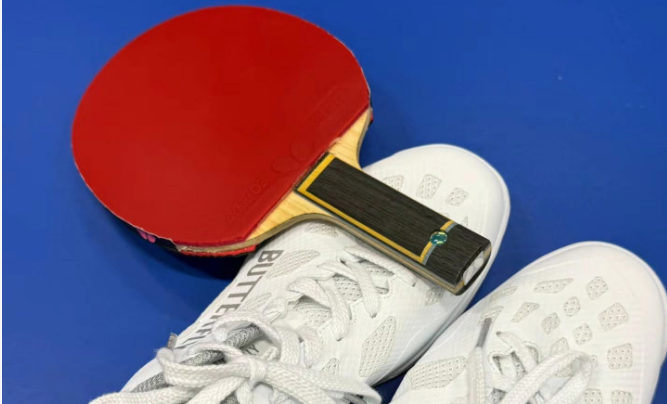
We all say inorganic glue doesn’t add elasticity, but in practice, a thicker base coat provides better support, which translates to more power output in large halls. In small rooms where ball speed is already fast, control is more important.
There’s another angle to the glue question too. When I glue on a topsheet using Liulan, I feel the rebound is springier. Using the same brand’s Yantianning, I feel slightly less rebound — but it bonds more tightly. Some people like extra spring and don’t mind a looser bond. Others really dislike the rubber coming off.
4
Some other players also switch blades by venue. Xue Fei, for example. I don’t know him well enough to have asked when he uses the N301 versus the all-wood N656-1.
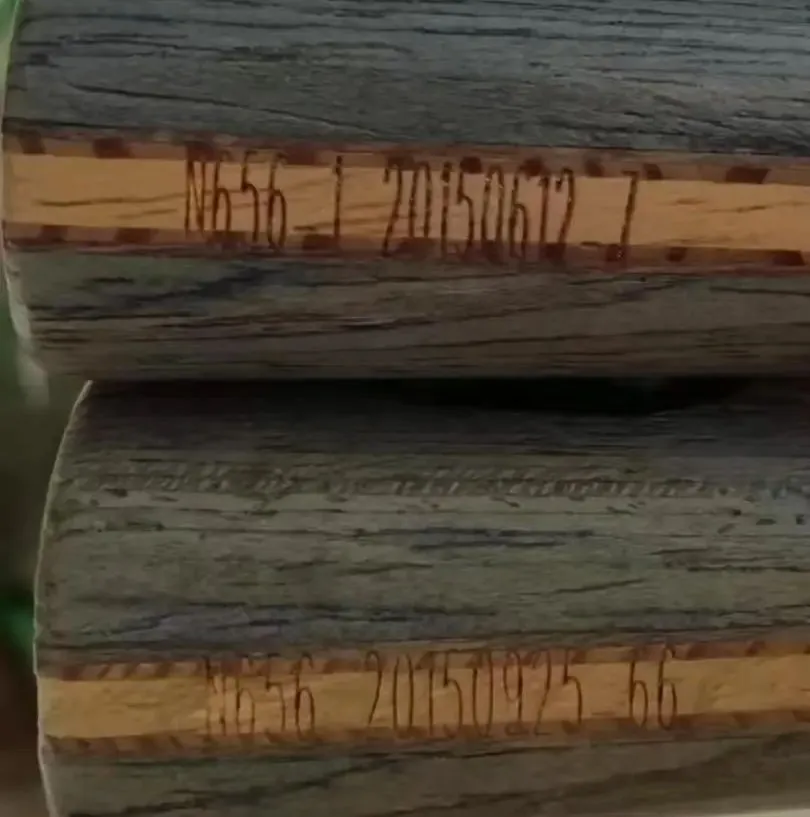
On a side note: the backhand on the all-wood 5-ply N656 or N656-1 is not as weak as you might expect, because it uses spruce power ply. This material has a spring effect. You can feel the same thing on Butterfly’s Primorac 5 — spruce power ply, great crisp backhand.
I’m also reminded of a SW968 from Sanwei, a board from several years back. It also used spruce power ply, so the backhand punch was significantly improved.
We’ve discussed before why so many people’s test results for the same blade differ — beyond quality control variance, rubber pairing differences, and personal technique, venue size is also a factor. Fan Zhendong SZLC, tested in a small room: near-perfect. Speed, dwell, and control were all genuinely good. In a larger hall, I clearly felt it was weaker than the Super Zhang Jike.