Does Your Rubber Last Longer on Some Blades Than Others?
1
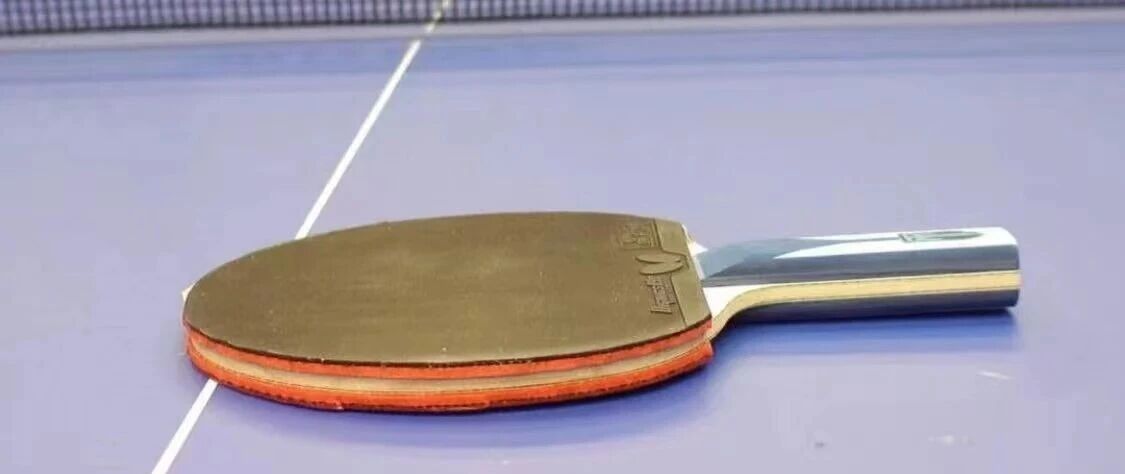
One key difference between amateur players and professionals in rubber use: we have to pay close attention to rubber lifespan. Among Butterfly-sponsored players, Qiu Dang is on the more economical end — changing rubbers every three days or so. Boll is at the other extreme: he mounts multiple bats at a time and uses fresh rubber in every single training session.
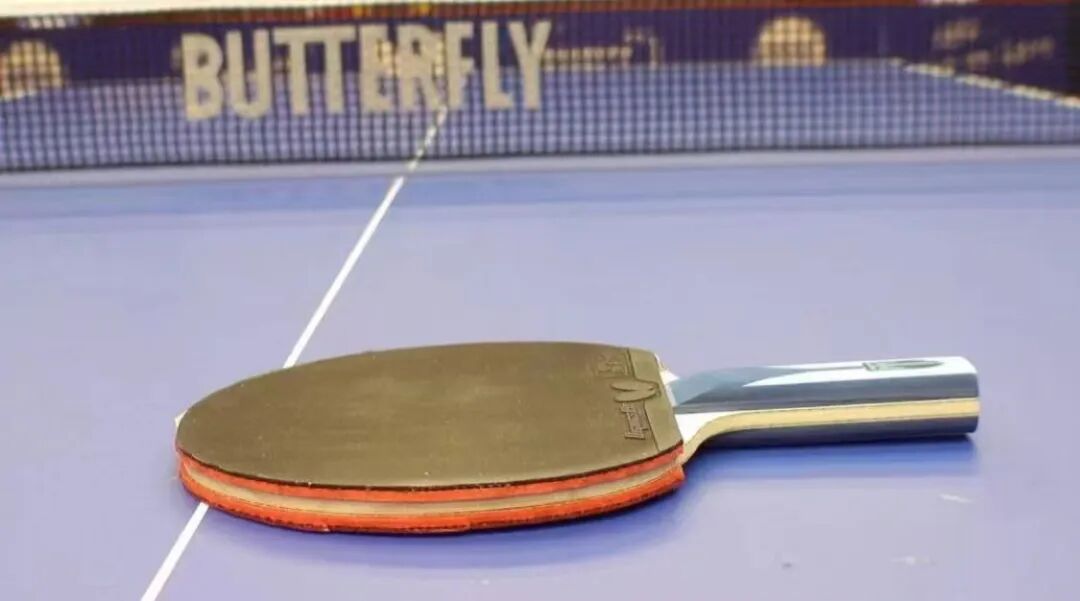
So in everyday conversation, players share notes on how long their rubbers last. But it’s a very individual question. Beyond differences in technique and the way each person brushes the ball, how frequently you play matters. And beyond that, which blade you put the rubber on also makes a real difference in how it feels.
2
I’ve written before that on inner-carbon blades, at low-to-medium power, you can still feel the characteristics of an all-wood blade. On outer-carbon blades, because the fiber is on the outside, you hit the fiber layer’s characteristics — its springiness and firmness — almost immediately at medium power.
Same sheet of T05, used for three or four months: on inner-carbon — my own Heima Yazhi KLC and a Franziska ZLC on the forehand side — it was still playable and the dwell feel was decent overall. The moment I moved it to an outer-carbon like a Viscaria or a Destiny Carbon I tried recently, it felt like it couldn’t grip the ball anymore and was sliding off. An inner-carbon blade at medium power still behaves like wood — soft and grabby. An outer-carbon at medium power already has that fiber stiffness in play, which places higher demands on the rubber’s gripping ability.
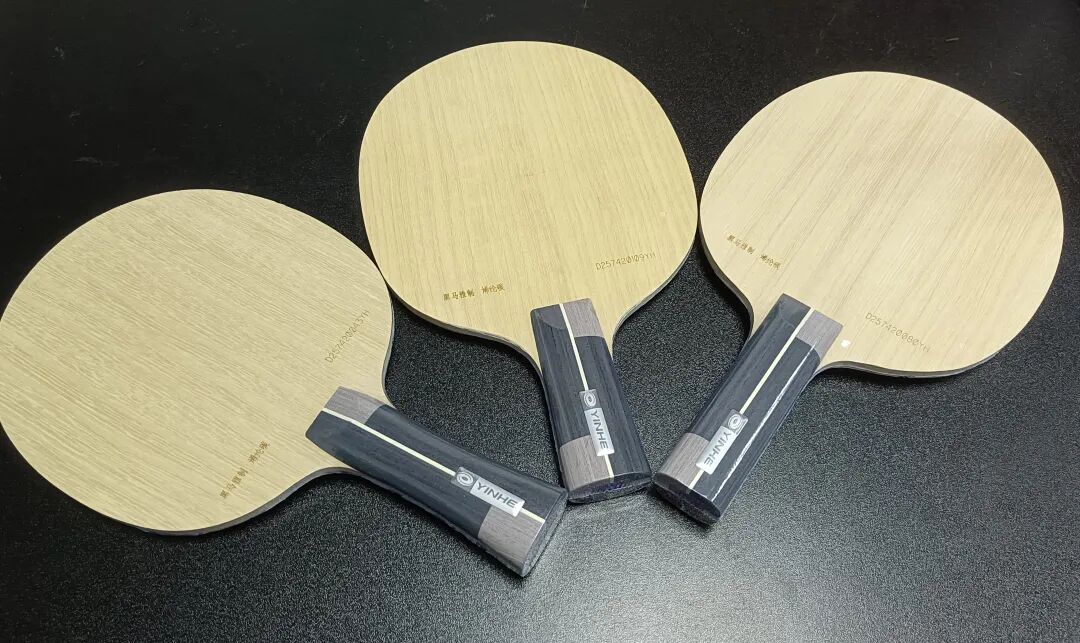
Some players have said the Viscaria forehand doesn’t grip — but honestly, put an appropriate-hardness Hurricane on it, boost it properly, and it grips just fine. The rubber’s own dwell quality can compensate for the blade’s “grip.”
3
Even within outer-carbon blades there are differences. Some are softer — like the Lin Gaoyuan ALC or the Shuangyu Zhou Qihao — and at low-to-medium power they already feel grippy enough; an older rubber on them is still workable.
Then there’s the fiber type. The stiffer outer-carbon fibers — ZLC (like Lin Gaoyuan ZLC, Super Zhang Jike) or the Zhang Jike T5000 — are hard and springy, so they demand more from the rubber’s grip. When the topsheet wears out, they become very uncomfortable.
Pure fiber outer blades — like Hugo Calderano HAL with orange aramid — have lower fiber stiffness, and the blade face already grips the ball quite well, so they can tolerate a slightly worn rubber.
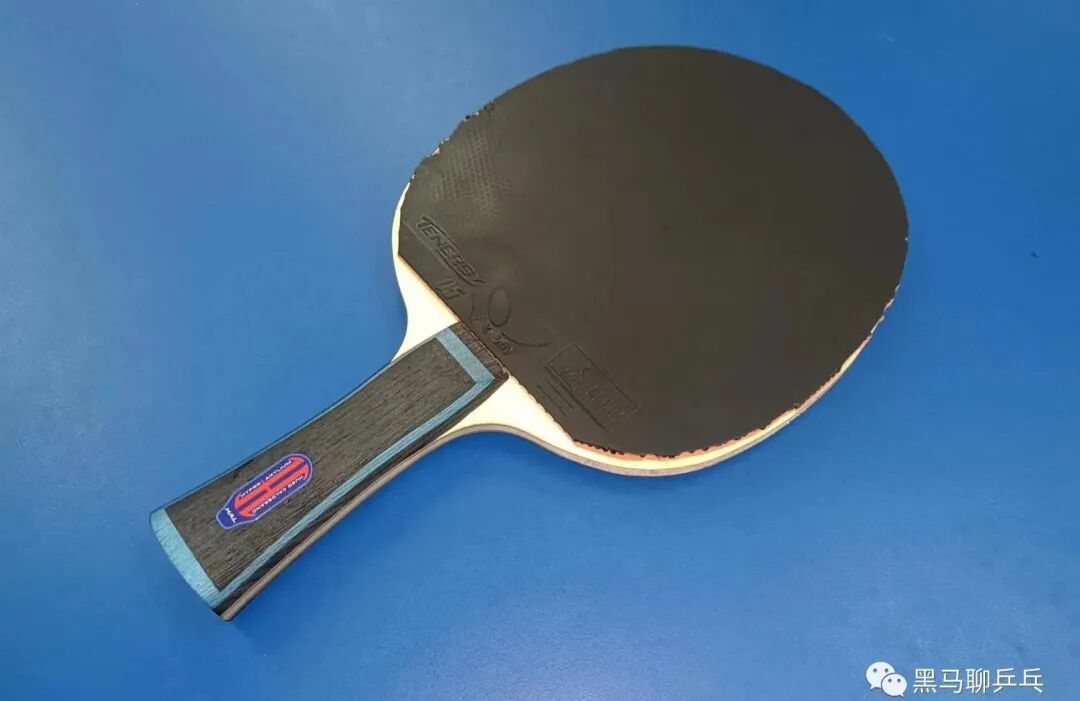
Just how grippy a blade feels is largely a function of the rubber you pair with it. For a fair blade review, always use relatively fresh rubber.
4
ESN German rubbers and Butterfly Japanese rubbers show different aging patterns. Comparing flagship rubbers: German rubbers tend to have a more durable topsheet — even when worn, they can still get a grip on the ball, as seen in the Xiom Vega and Omega lines. However, the sponge’s stored energy dies relatively quickly.
Butterfly rubbers, led by Tenergy, hold their sponge energy for a longer time — even as performance declines, the spring and power linger comparatively. Rubber shrinkage also happens, but not as severely as with German rubbers. The catch: Tenergy topsheets wear out and go slick very fast. For me, the topsheet is seriously degraded within a month, and after that you’re just making do.
Butterfly actually took note of this, which is why when Dignics launched they kept emphasizing the more wear-resistant topsheet. And indeed, the edges still crack, but the worn topsheet grips noticeably better than a worn Tenergy. So you could say the lifespan is a bit longer.
Beyond all that, each player’s technique matters. Players who brush more put more stress on the topsheet’s grip life. Players who flat-hit more, especially fast attackers, can naturally use rubber longer — unless they start feeling the sponge lacks enough spring.