Choosing a Shakehand Blade Starting with the Handle (Part 1)
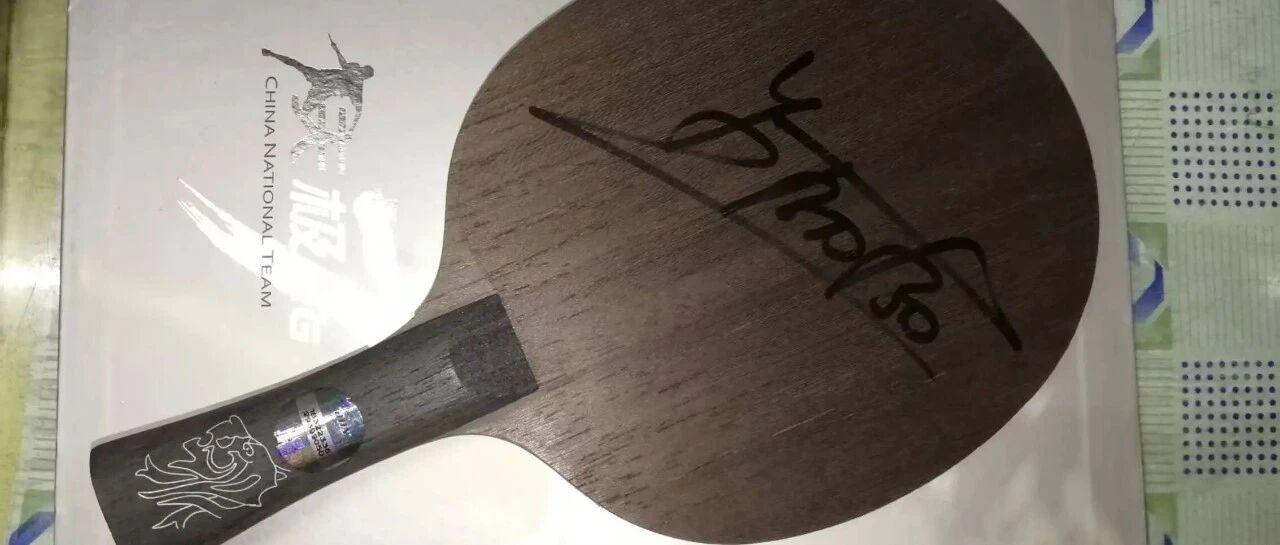
My earliest memory of handles is probably Kong Linghui’s gourd-shaped AN grip on the Kong Fang carbon blade. Later came Zhang Yining’s ZLC and Chen Meng’s Carbon 45, both with that same rounded gourd shape.
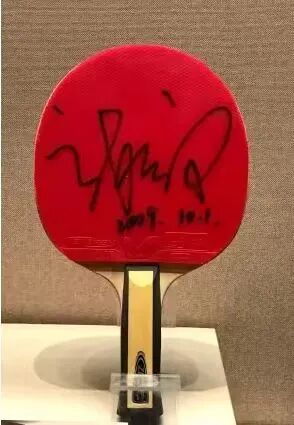
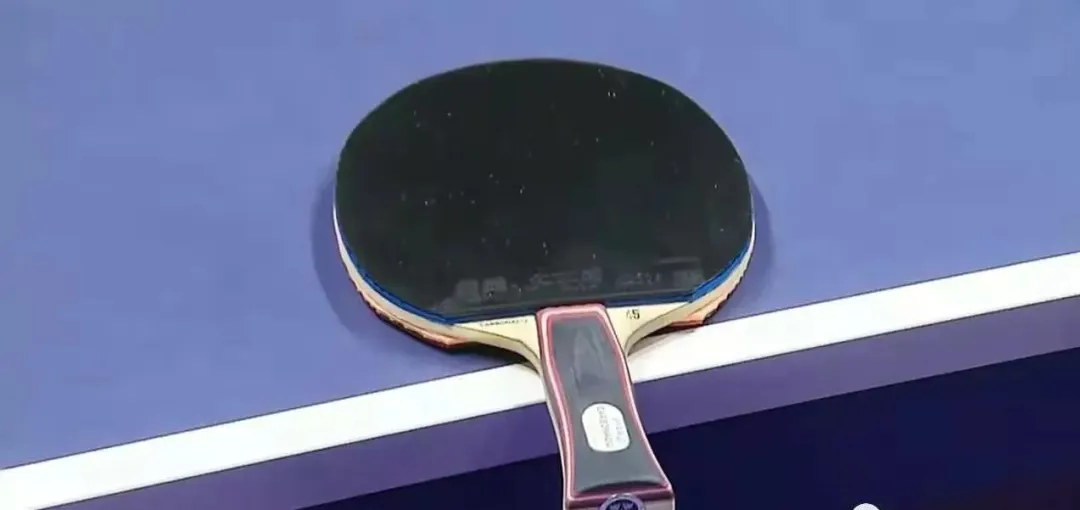
They say the best blade should feel like a natural extension of your hand. The AN (anatomic) grip, which fits so snugly against the palm, offers a supremely stable, rock-solid sense of control. But life’s answers are never that simple or one-dimensional.
The tighter and more stable the connection, the more it points toward rigidity and inflexibility. An AN grip limits blade-angle adjustment mostly to the wrist; the fingers have little role. As we get older, we come to appreciate that a little space between you and the thing you hold actually brings more comfort — and more inspiration.
So what’s the best standard when choosing a shakehand blade? Feel, performance, structure, weight — all of these matter. But starting from the handle can be the most important step. For me these days, as long as the grip feels comfortable, I can adapt to most performance characteristics.
Table Tennis Kingdom’s April issue ran a piece discussing shakehand handles. Let’s combine some of that information with my own thoughts.
FL is now the dominant choice by an overwhelming margin. The ST handle, which once rivaled FL in overseas markets, has declined significantly. And the gourd-shaped AN grip has become rare — appearing in only a handful of Butterfly models and a few others. Stability, it turns out, isn’t always king.
The Overwhelming Dominance of FL
Traditional thinking holds that FL favors the forehand — it lets you snap your wrist — while ST offers more flexibility for switching between forehand and backhand. Among Chinese national team players, FL has always been the absolute mainstream. The occasional outlier — Kong Linghui, Zhang Yining, Chen Meng — appears once in a while, and then you get someone like Yu Ziyang briefly using a Viscaria ST, before it fades away.
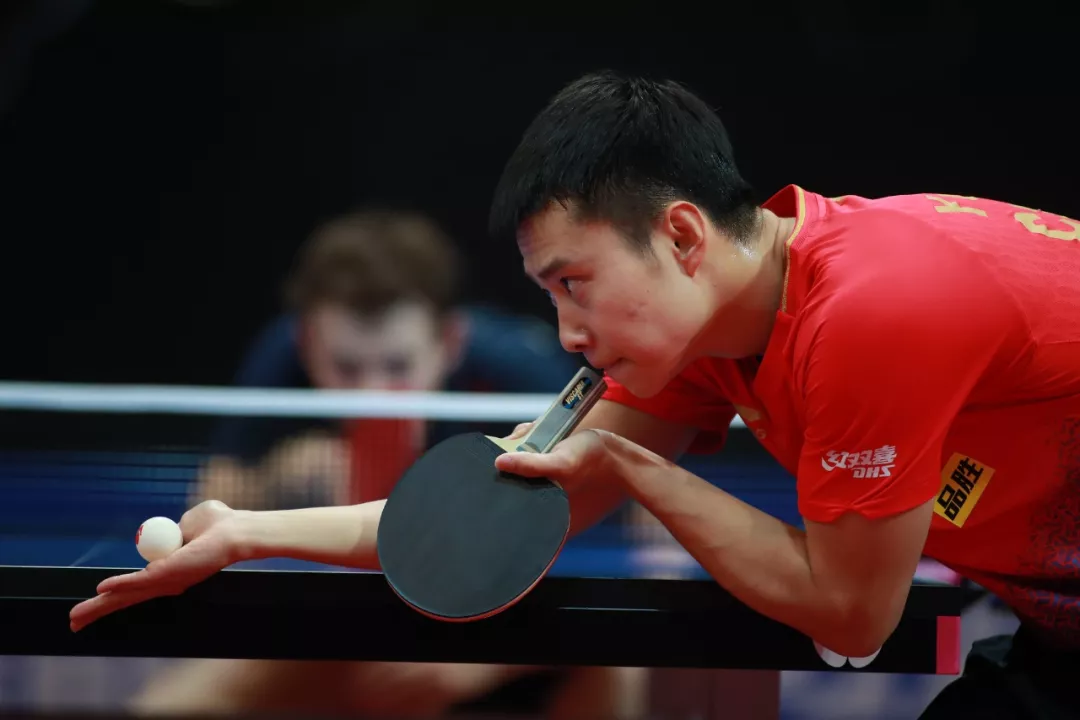
At the All-Japan Championships, FL handles now hold an overwhelming lead and continue to grow. In January 2008, among the 39 shakehand players in the field, FL counted for 12 (about 31%) and ST for 23 (about 59%). By January 2017, out of 47 shakehand players, 38 used FL and 9 used ST. By this January, it was 40 FL versus just 3 ST.
I’ve noticed a similar trend in my own blade sales. I’ve discontinued the ST version of the Moyu series. For upcoming blades, whether to continue offering ST — and in what quantity — is something I agonize over. Relative to the strong sales of FL in the Yalyard series, the ST option just doesn’t sell, even though I personally love the feel of that grip.
In the Japanese amateur market, FL accounts for more than half of shakehand players, but ST still holds a 30-plus percent share. Beyond those, there are small numbers of AN and CO grip users.
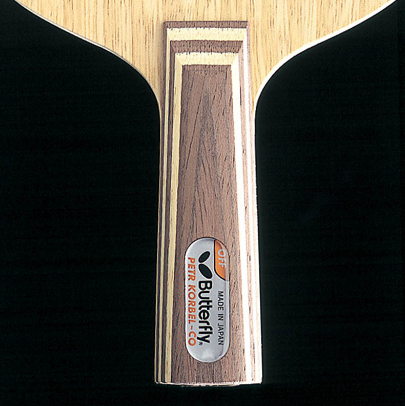
How FL Became the Trend
In the second half of the 1980s, the Swedish team was in its golden era. Their “three musketeers” — Waldner, Persson, and Appelgren — all used ST. This handle enables “changing your grip at every moment of contact,” offering extremely high flexibility. Wang Tao (silver medalist at the 1996 Atlanta Olympics) also used ST for easier backhand play.
Ma Wenge and Kong Linghui, sent to Europe for seasoning, likely absorbed the atmosphere there and chose AN handles. At the time, besides ST, AN was also popular in Europe.
At the 2001 Osaka World Championships, Wang Liqin swept men’s singles, men’s doubles, and men’s team. Perhaps it was his doing that the tide began to turn on shakehand handle trends. In the men’s singles final, Wang Liqin beat Kong Linghui 3-2, escaping the close-table melee Kong preferred by stepping back half a step to rally and win through quality.
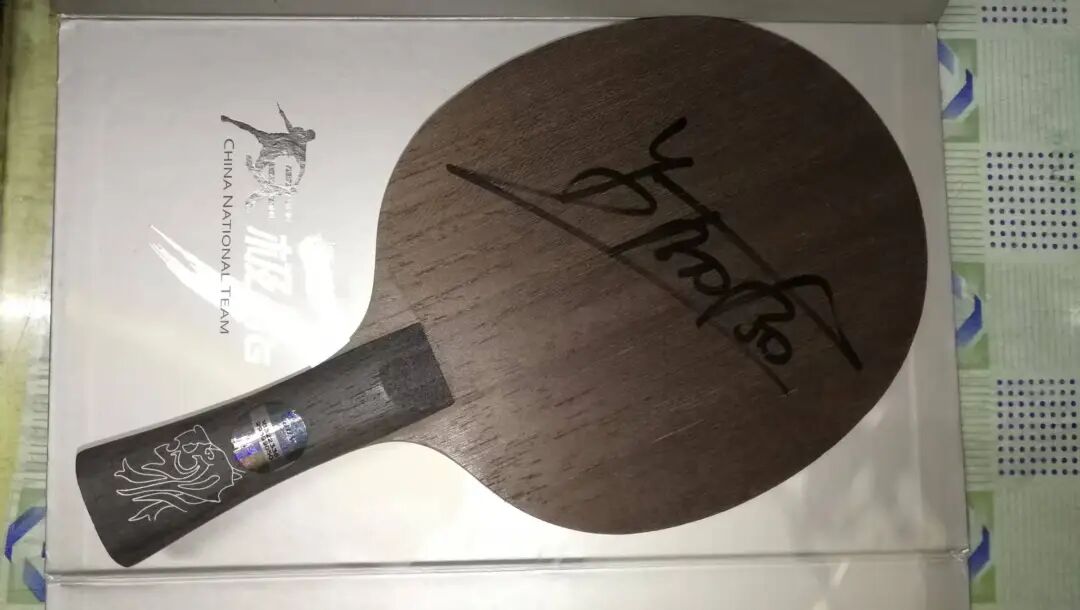
My father, watching that match, told me to “overpower the spin with force.” It seemed that from the moment Wang Liqin won his title, table tennis moved further toward raw power — and FL, symbolizing a stronger forehand drive, gradually became the mainstream of the sport.
To be continued.