Xiom Vega Asia vs Xiom Vega Pro: Which Should You Buy?
| Xiom Vega Asia | Xiom Vega Pro | |
|---|---|---|
| Our rating | 7.8/10 | 8.5/10 |
| best_side | forehand or backhand | both |
| control | 73 | medium-high |
| speed | 90 | offensive |
| spin | 88 | high |
| sponge_hardness | 47.5 degrees | 47.5° |
| type | inverted tensor (ESN) | tensor inverted |
| weight_uncut_g | 68 | 69 |
We may earn a commission from links on this page. Learn more.
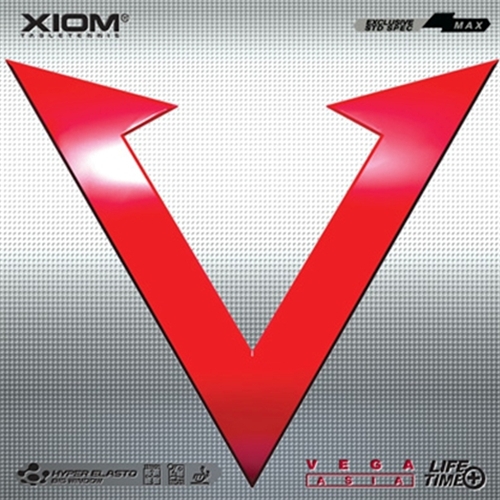
Xiom Vega Asia delivers direct offensive play: flat drives, smashes and blocks execute cleanly with strong blocking stability. It lasts longer and works on both wings, making it a true all-rounder at budget pricing.
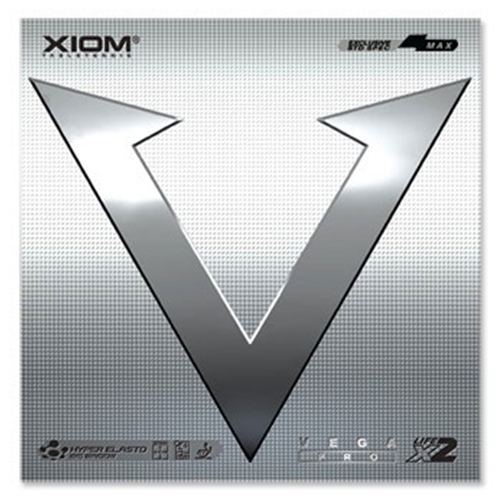
Xiom Vega Pro reverses priorities: linear, predictable spin makes it forgiving for topspin play and short game. Firmness demands more effort at distance, but close-to-mid-table attackers get exceptional control and spin consistency. Price is roughly half of Tenergy, offering outstanding value.
Vega Asia dominates if you want speed and direct attack. Vega Pro dominates if you want spin consistency and short-game touch on the forehand of a stiff blade.
FAQ
Which rubber has more catapult?
Vega Asia catapults more as an ESN tensor. Vega Pro is unusually linear for a tensor, providing predictable speed without surprises.
Which plays better on softer blades?
Vega Pro works best on stiff blades. Vega Asia is more versatile and plays better on all-round and off-minus setups.
Does Vega Pro’s sponge soften over time?
Yes. Vega Pro sponge softens after weeks or months, raising throw and reducing firmness.
Which rubber is tacky?
Neither is tacky. Vega Pro picks up less dust than tacky rubbers, making it less sensitive to serve spin.
What backhand performance should I expect?
Vega Asia works equally well on backhand. Vega Pro is forehand-focused and can feel dead and hard on the backhand.