Tibhar Evolution MX-S vs Yasaka Rakza Z: Which Should You Buy?
| Tibhar Evolution MX-S | Yasaka Rakza Z | |
|---|---|---|
| Our rating | 8.4/10 | 8.6/10 |
| best_side | Forehand | forehand |
| control | High | high |
| speed | OFF | medium |
| spin | Very High (11.5 on Tibhar scale, highest in Evolution range) | extreme |
| sponge_hardness | around 47.3 degrees (hard) | 50 degrees (medium-hard; Extra Hard version around 57 degrees) |
| type | Inverted tensor (ESN) | hybrid tacky tensor |
| weight_uncut_g | 76 g (2.1-2.2 mm uncut sheet) | 72 |
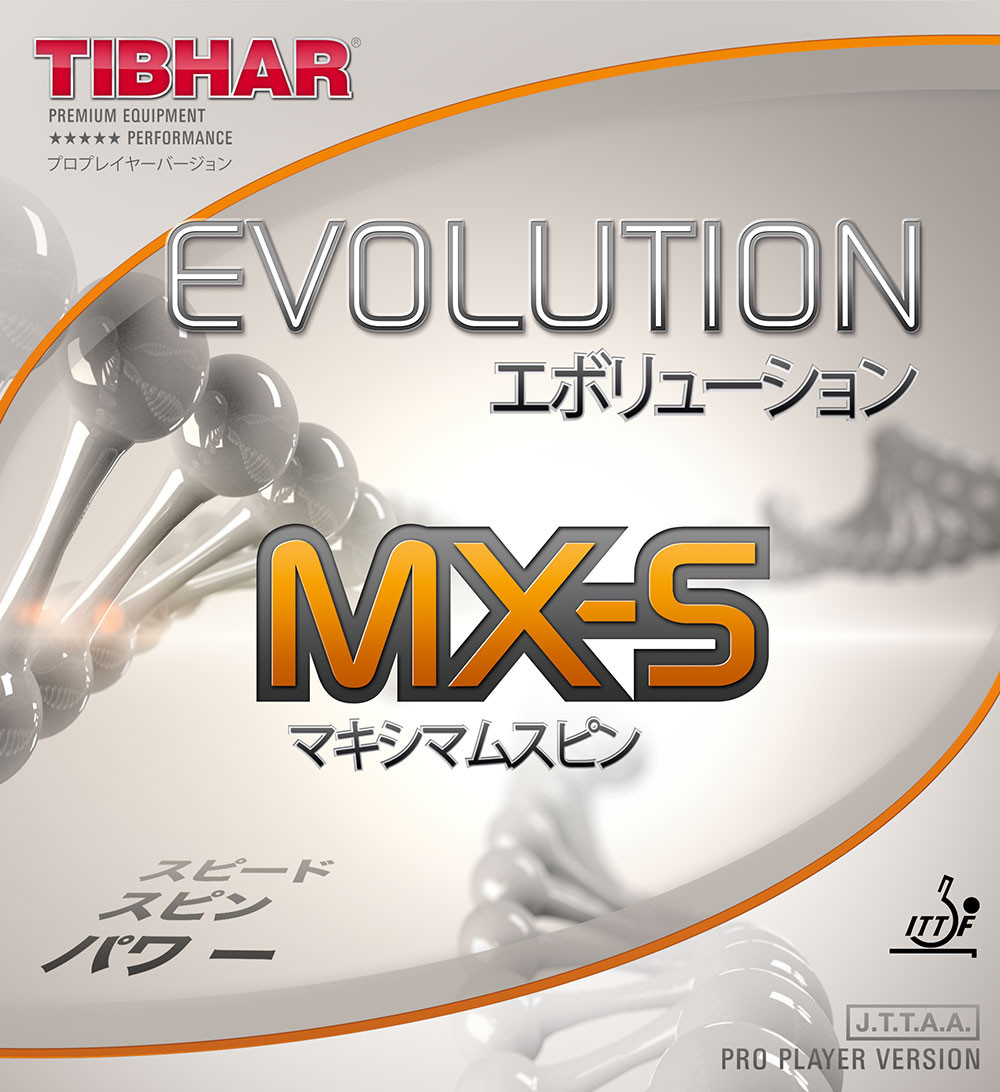
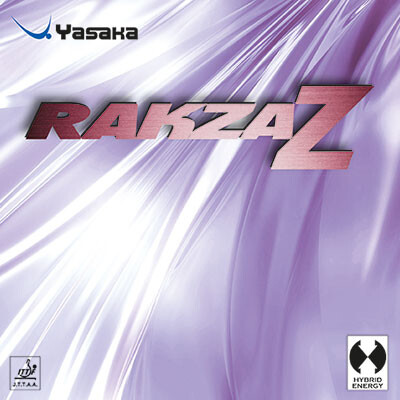
We may earn a commission from links on this page. Learn more.
MX-S is a modern hard tensor maximizing spin (11.5 Tibhar scale) with low spin sensitivity and mid-distance versatility. Rakza Z (8.6) is a tacky hybrid delivering exceptional, low-slip spin on loops and backspin, with surprising control and long dwell time for a hard rubber, plus excellent durability and value versus Dignics 09C. MX-S is lighter (76g vs. 72g) and adapts across play distances; Rakza Z is best on the forehand where full strokes commit to heavy spin and placement.
MX-S suits technique-driven modern attackers; Rakza Z suits proactive forehand loopers who pressure opponents with heavy spin and are willing to swing fully. Both demand advanced play; Rakza Z adds arm fatigue risk on carbon blades and requires more closed blade angle due to high throw. MX-S durability declines after six months; Rakza Z offers excellent long-term value.
FAQ
Which spins more?
Both are extremely high-spin: MX-S (11.5 Tibhar tensor) vs. Rakza Z (extreme tacky), different spin types.
Which is better for heavy topspin?
Rakza Z excels in heavy topspin with tacky grip; MX-S maximizes modern tensor looping and blocking.
Which is more versatile?
MX-S works across distances; Rakza Z shines on full, aggressive forehand strokes.
Which lasts longer?
Rakza Z offers excellent durability and great value; MX-S durability declines after six months.