Tibhar Evolution MX-S vs Yasaka Rakza 7: Which Should You Buy?
| Tibhar Evolution MX-S | Yasaka Rakza 7 | |
|---|---|---|
| Our rating | 8.4/10 | 8.6/10 |
| best_side | Forehand | both |
| control | High | high |
| speed | OFF | offensive |
| spin | Very High (11.5 on Tibhar scale, highest in Evolution range) | high |
| sponge_hardness | around 47.3 degrees (hard) | 45–47° |
| type | Inverted tensor (ESN) | tensor inverted |
| weight_uncut_g | 76 g (2.1-2.2 mm uncut sheet) | 70 |
We may earn a commission from links on this page. Learn more.
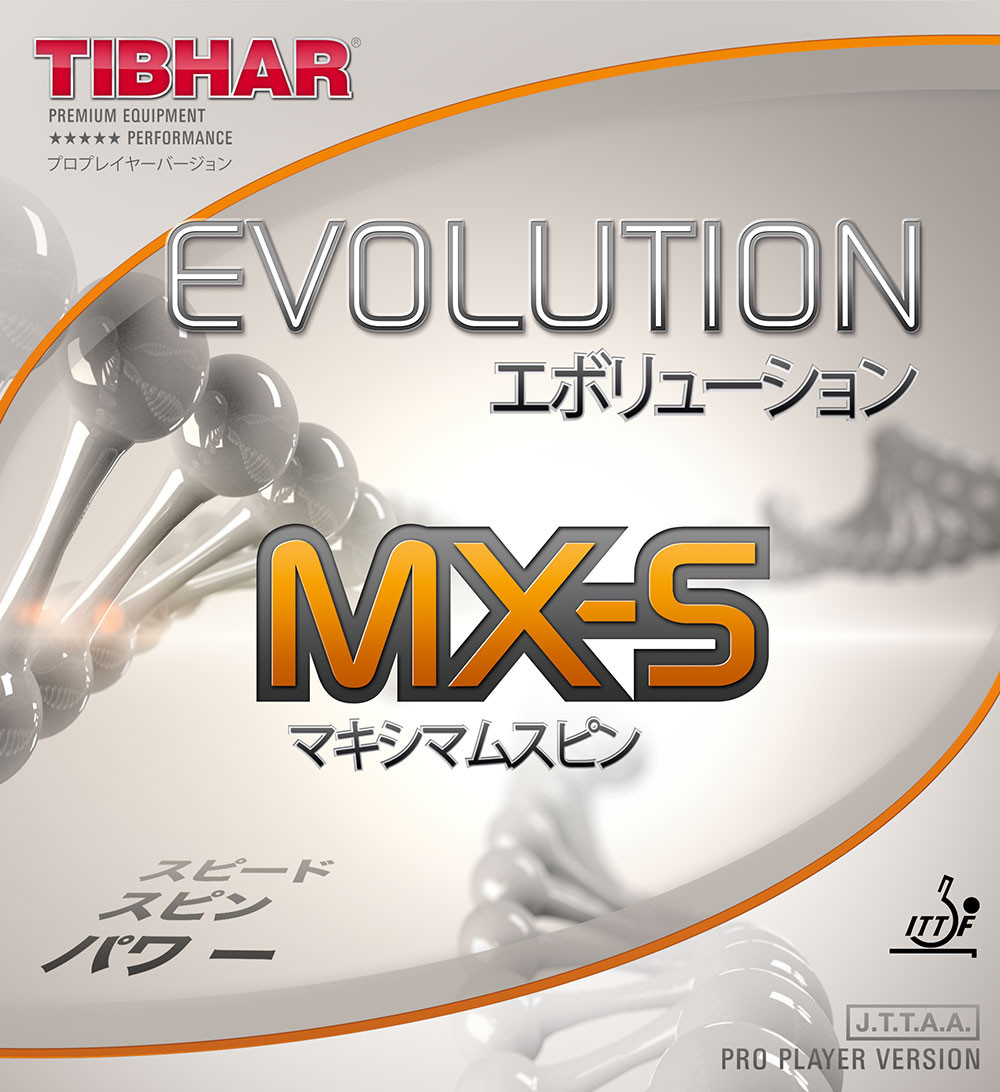
MX-S maximizes spin (11.5 Tibhar scale) with exceptional blocking and low spin sensitivity, best on the forehand. Rakza 7 (8.6) delivers huge grip and spin from natural-rubber topsheet, close to Tenergy 05, with outstanding control and consistency in short game, blocks, and pushes—no runaway catapult—at excellent value and durability. Both offer high spin; Rakza 7 is lighter (70g vs. 76g uncut), versatile on both wings, and available in multiple thicknesses (1.8/2.0/max).
MX-S is contemporary hard tensor suited to technique-driven players; Rakza 7 is a long-time club favorite offering Tenergy-level spin at a fraction of the price, ideal for developing-to-advanced players on either wing. MX-S durability declines after six months; Rakza 7 shows excellent durability. Both demand clean technique and regular maintenance. Choose MX-S for pure forehand dominance; choose Rakza 7 for versatile, durable, high-spin all-round play.
FAQ
Which spins more?
MX-S (11.5 Tibhar) is slightly higher; Rakza 7 approaches Tenergy 05 spin with more consistent control.
Which is more affordable?
Rakza 7 offers excellent value and durability; MX-S costs significantly more as a premium modern tensor.
Which works on both wings?
Rakza 7 is versatile on both forehand and backhand; MX-S prefers the forehand.
Which is more forgiving?
Rakza 7 has no runaway catapult and excels in short game; MX-S demands advanced technique and active generation of speed.