Tibhar Evolution MX-S vs Xiom Vega X: Which Should You Buy?
| Tibhar Evolution MX-S | Xiom Vega X | |
|---|---|---|
| Our rating | 8.4/10 | 8.7/10 |
| best_side | Forehand | Forehand or Backhand |
| control | High | High |
| speed | OFF | OFF |
| spin | Very High (11.5 on Tibhar scale, highest in Evolution range) | Very High |
| sponge_hardness | around 47.3 degrees (hard) | 45 degrees (medium-hard) |
| type | Inverted tensor (ESN) | Inverted tensor |
| weight_uncut_g | 76 g (2.1-2.2 mm uncut sheet) | around 70 g (uncut max), around 53 g cut to standard head size |
We may earn a commission from links on this page. Learn more.
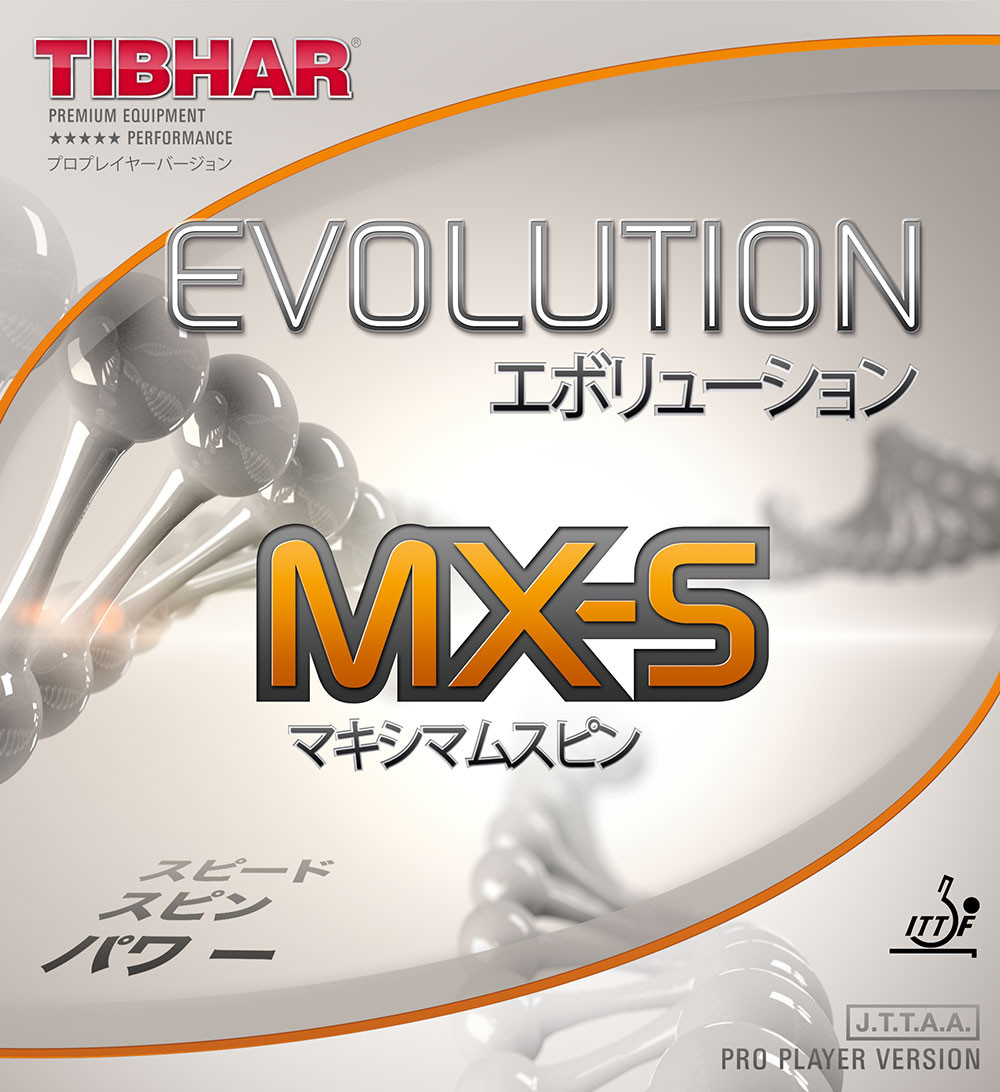
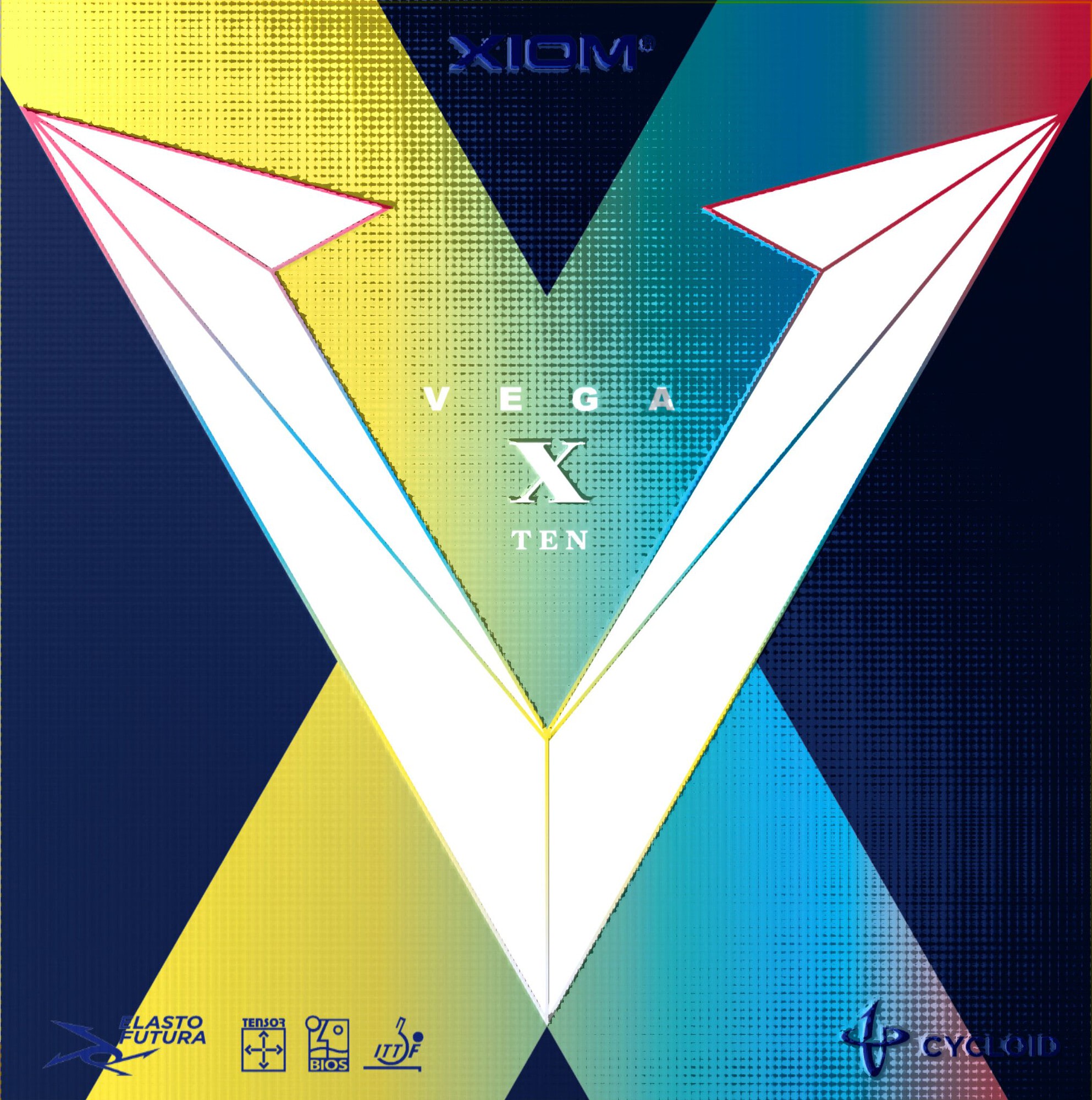
Both rate in the high 8s (MX-S 8.4, Vega X 8.7), but MX-S maximizes spin output (11.5 Tibhar scale, 9.5 Revspin) with low spin sensitivity and consistent batch quality. Vega X balances speed (8.9), spin (9.1), control (8.9) more evenly at a fraction of Tenergy’s cost, offering excellent looping with good dwell time and arc consistency. MX-S adapts across all distances; Vega X excels in looping and counter-looping but sits around 20 percent below premium spin ceiling.
MX-S at 76g uncut is heavier, harder (47.3 degrees), and demands advanced technique; Vega X at 70g offers better weight balance and greater versatility on both wings. MX-S durability declines after six months; Vega X maintains performance over extended use. Choose MX-S for pure spin dominance; choose Vega X for balanced, durable, versatile all-round play.
FAQ
Which spins more?
MX-S (11.5 Tibhar, 9.5 Revspin) reaches higher spin ceiling than Vega X (very high, roughly 20% less than premium tensors).
Which is more versatile?
Vega X works on both forehand and backhand; MX-S prefers the forehand.
Which is cheaper?
Vega X costs a fraction of Tenergy; MX-S is Tenergy-class priced.
Which lasts longer?
Vega X maintains performance over extended use; MX-S durability declines after six months of intensive play.