Tibhar Evolution MX-S vs Xiom Vega Pro: Which Should You Buy?
| Tibhar Evolution MX-S | Xiom Vega Pro | |
|---|---|---|
| Our rating | 8.4/10 | 8.5/10 |
| best_side | Forehand | both |
| control | High | medium-high |
| speed | OFF | offensive |
| spin | Very High (11.5 on Tibhar scale, highest in Evolution range) | high |
| sponge_hardness | around 47.3 degrees (hard) | 47.5° |
| type | Inverted tensor (ESN) | tensor inverted |
| weight_uncut_g | 76 g (2.1-2.2 mm uncut sheet) | 69 |
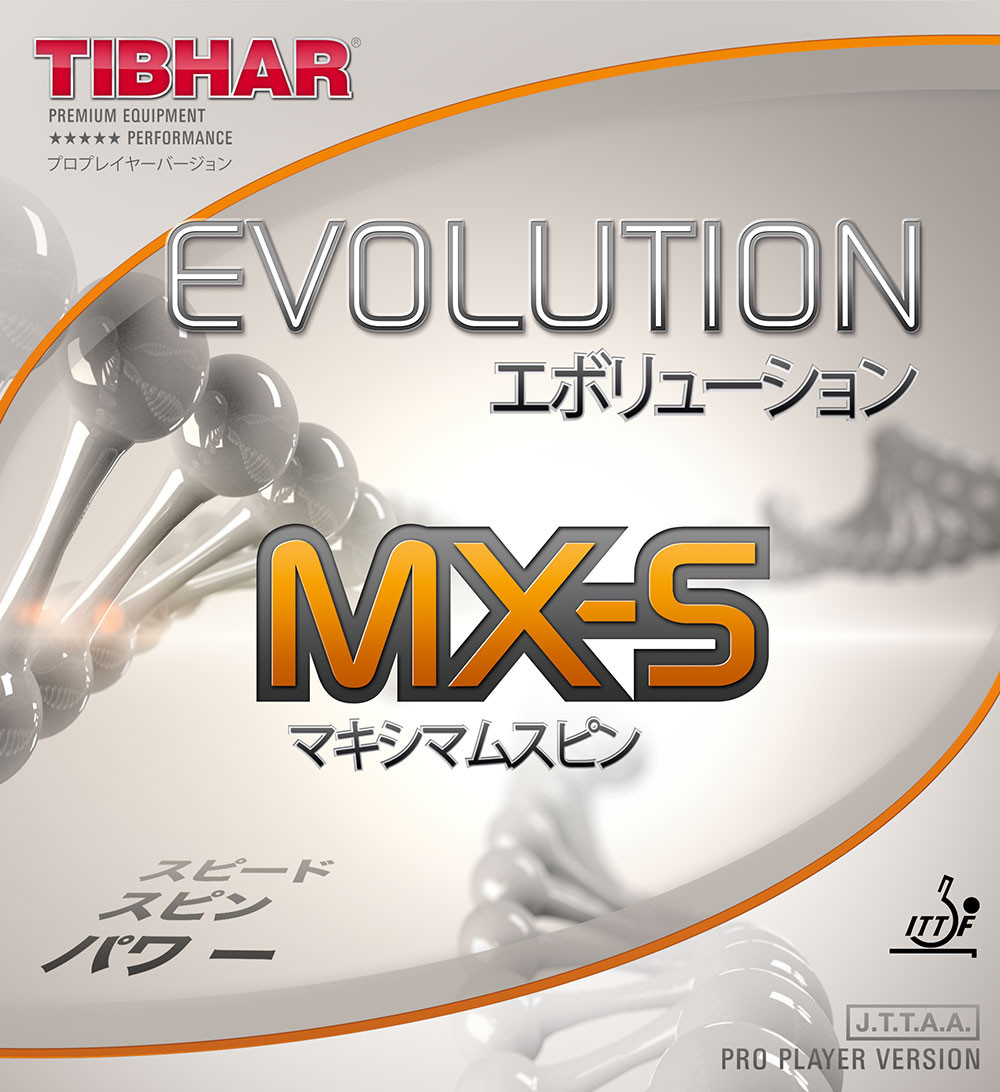
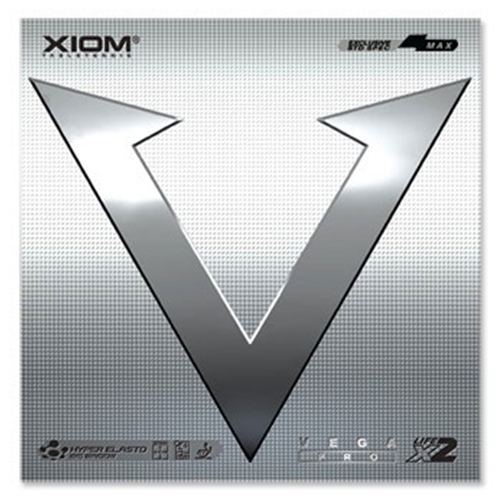
We may earn a commission from links on this page. Learn more.
MX-S prioritizes maximum spin output (11.5 Tibhar scale) with consistent, forgiving blocking across distances. Vega Pro (8.5) delivers unusually linear, predictable response for a tensor—you get the speed and spin you ask for with no catapult surprises—and excels in short game and opening loops, offering remarkable durability and value at roughly half the price of Tenergy. Both demand stiff blades but suit different stroke philosophies.
MX-S rewards technique-driven high-spin play and longer rallies; Vega Pro suits close-to-mid-table attackers and counter-hitters who trust their stroke linearity over built-in catapult. Vega Pro softens slightly after weeks of play, raising throw and reducing initial firmness; MX-S declines after six months. Choose MX-S for pure spin output; choose Vega Pro for affordable, predictable, long-lasting performance.
FAQ
Which is more predictable?
Vega Pro delivers genuinely linear response with no uncontrollable catapult; MX-S has spin-first, technique-dependent feel.
Which is more affordable?
Vega Pro costs about half the price of Tenergy and is significantly cheaper than MX-S.
Which has better durability?
Vega Pro is durable with excellent value over extended use; MX-S durability declines after six months of intensive play.
Which is better for short game?
Vega Pro excels in short game and opening loops; MX-S offers outstanding serve control and short-game precision.