Tibhar Evolution MX-S vs Xiom Omega VII Asia: Which Should You Buy?
| Tibhar Evolution MX-S | Xiom Omega VII Asia | |
|---|---|---|
| Our rating | 8.4/10 | 8.6/10 |
| best_side | Forehand | forehand |
| control | High | Medium-High |
| speed | OFF | OFF+ |
| spin | Very High (11.5 on Tibhar scale, highest in Evolution range) | Extremely High |
| sponge_hardness | around 47.3 degrees (hard) | 52.5 degrees |
| type | Inverted tensor (ESN) | inverted |
| weight_uncut_g | 76 g (2.1-2.2 mm uncut sheet) | 71 |
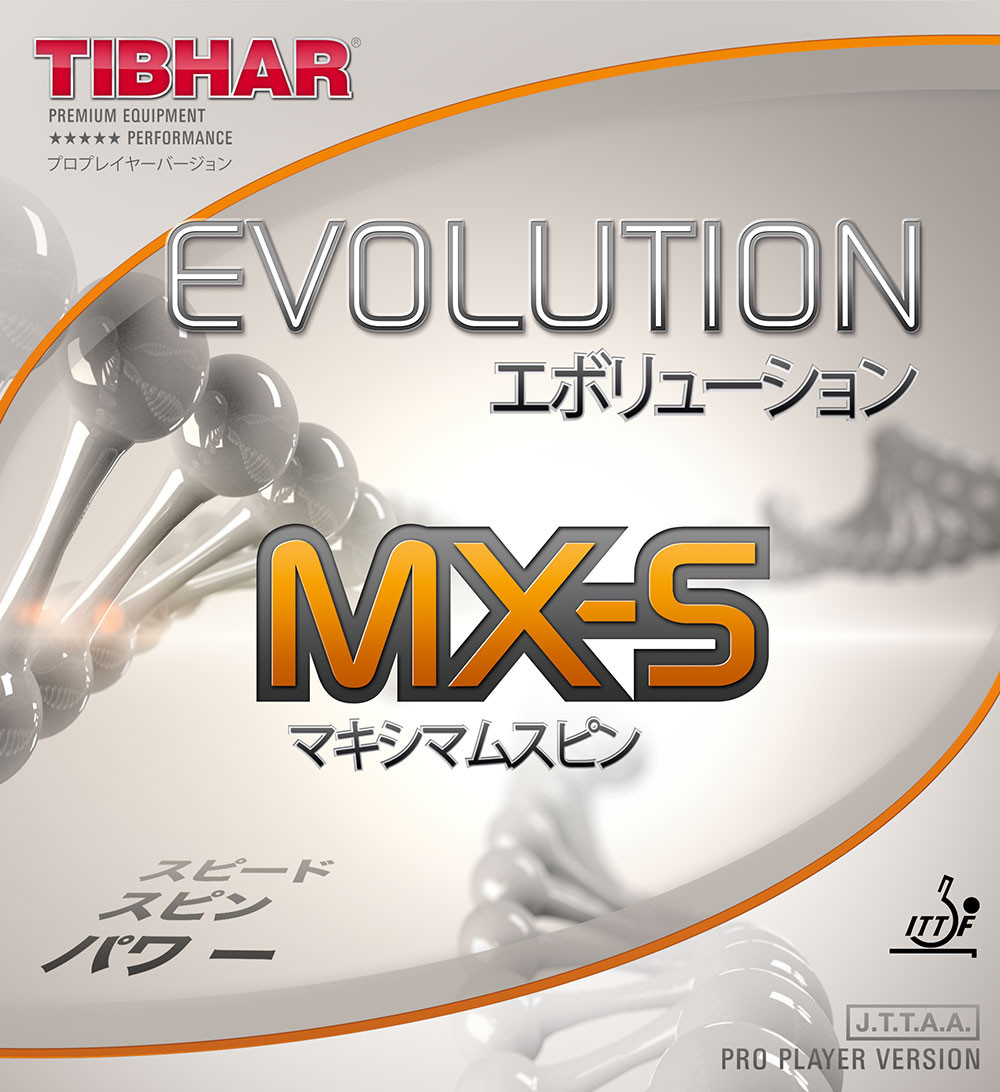
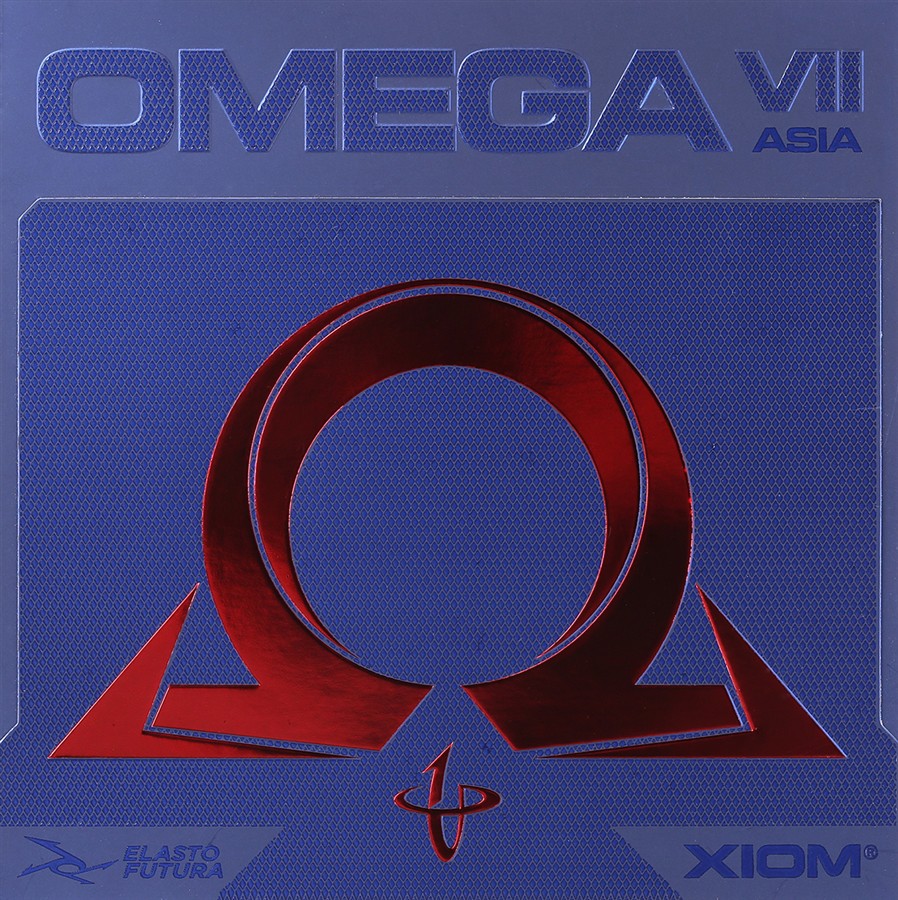
We may earn a commission from links on this page. Learn more.
MX-S (8.4) maximizes spin with exceptional blocking and low spin sensitivity, suited to technique-driven players who generate speed through placement. Omega VII Asia (8.6) unleashes extremely high spin and explosive OFF+ speed, ideal for forehand attackers wanting maximum pace on hard topspins and mid-distance counter topspins. Omega VII is noticeably harder (52.5 degrees vs. 47.3), slightly softer feel due to carbon, and carries a high learning curve unsuitable for intermediate players.
MX-S offers versatility across distances and great blocking despite being heavy; Omega VII demands medium-to-fast carbon or off blade and focused footwork on receive. MX-S appeals to control-conscious advanced players; Omega VII suits elite offensive specialists pursuing maximum speed-spin combination.
FAQ
Which is faster?
Omega VII Asia (OFF+) significantly outpaces MX-S (OFF), with explosive speed ideal for forehand attacking.
Which spins more?
Omega VII produces extremely high spin; MX-S reaches the Evolution range’s highest (9.5/10 Revspin), roughly 20% less than Omega VII.
Which has better blocking?
MX-S excels at blocking with low spin sensitivity; Omega VII has great blocking despite offensive focus.
Which suits more players?
MX-S suits advanced players; Omega VII requires elite-level footwork and is not recommended for lower or intermediate players.