Tibhar Evolution FX-P vs Xiom Vega Asia: Which Should You Buy?
| Tibhar Evolution FX-P | Xiom Vega Asia | |
|---|---|---|
| Our rating | 8.4/10 | 7.8/10 |
| best_side | Backhand or allround forehand | forehand or backhand |
| control | 68 | 73 |
| speed | 94 | 90 |
| spin | 98 | 88 |
| sponge_hardness | approx 40 degrees (softest in Evolution line) | 47.5 degrees |
| type | Inverted / tensor | inverted tensor (ESN) |
| weight_uncut_g | 68 | 68 |
We may earn a commission from links on this page. Learn more.
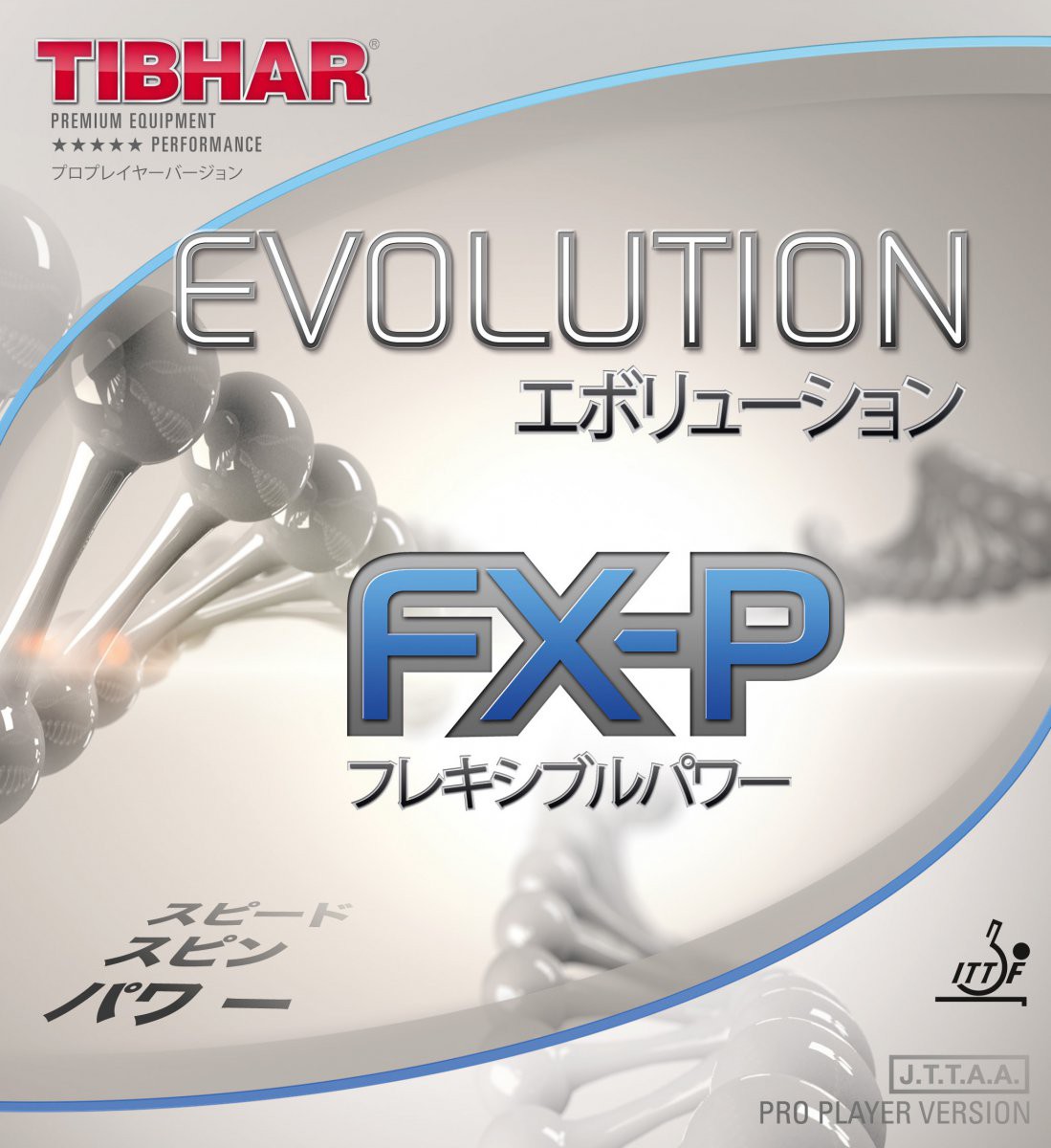
Tibhar Evolution FX-P is a spin-rich, error-forgiving rubber favoring loopers and all-rounders seeking consistency over pace. Its limited speed ceiling and potential durability fade mean advanced hitters may quickly outgrow it.
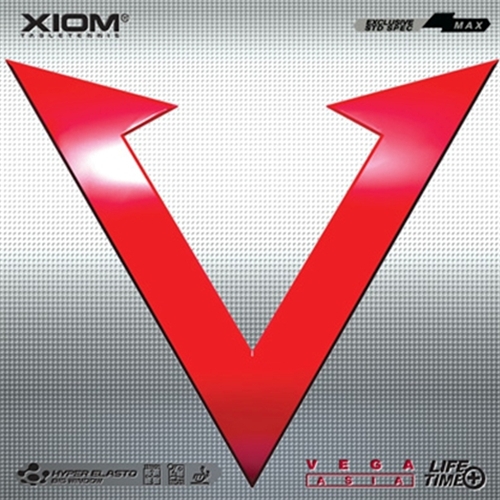
Xiom Vega Asia suits dedicated attackers and smash artists who value direct hitting and low-sensitivity blocking. Its lower spin production and topsheet fragility demand refined technique and frequent replacement, but pricing remains appealing versus premium alternatives.
FAQ
Which generates more spin?
FX-P excels at spin generation with exceptional dwell time and grippy activation. Vega Asia produces less spin and requires more refined looping technique.
Which is better for speed attacking?
Vega Asia delivers higher speed for smashes and flat drives. FX-P caps out earlier for aggressive hitters.
Which is more forgiving?
FX-P is significantly more forgiving on mishits with excellent error tolerance. Vega Asia rewards precise technique.
Which is better for beginners?
FX-P suits developing players better due to forgiveness and spin ease. Vega Asia works better for intermediate-plus attackers.