Tibhar Evolution FX-P vs Tibhar Evolution FX-S: Which Should You Buy?
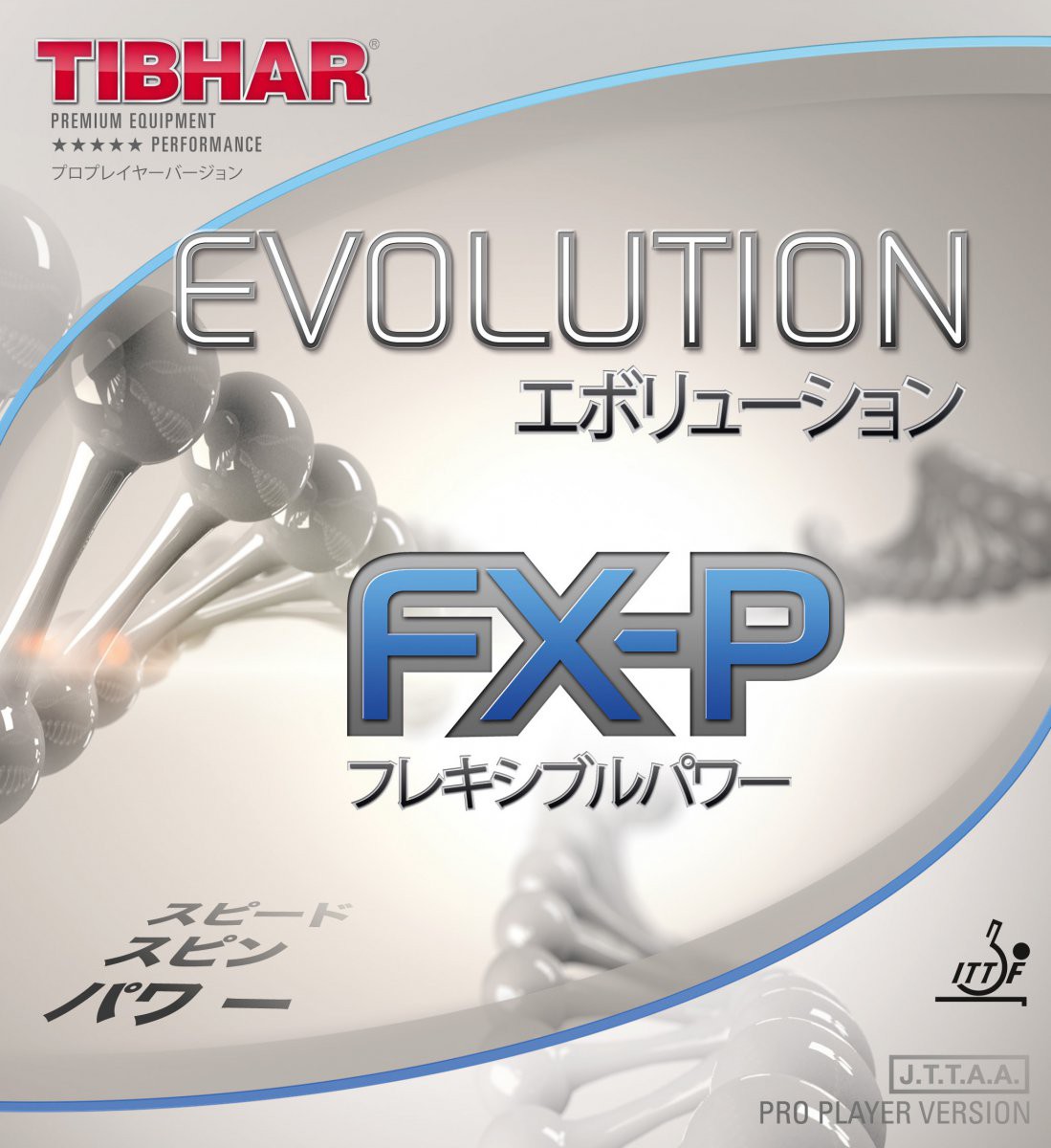
| Tibhar Evolution FX-P | Tibhar Evolution FX-S | |
|---|---|---|
| Our rating | 8.4/10 | 8.2/10 |
| best_side | Backhand or allround forehand | BH |
| control | 68 | High — forgiving nature reduces technical demands, excellent placement and consistency |
| speed | 94 | 12.5 out of 15 — slowest in the Evolution series, moderate pace ideal for control-oriented attackers |
| spin | 98 | Very high — enormous spin values on opening loops, excellent topspin generation with proper brushing technique |
| sponge_hardness | approx 40 degrees (softest in Evolution line) | 42 degrees (medium soft) |
| type | Inverted / tensor | inverted |
| weight_uncut_g | 68 | 68 |
We may earn a commission from links on this page. Learn more.
FX-P prioritizes spin generation and mishit forgiveness for allround players. FX-S leans toward blocking consistency and touch control with its softer sponge. Both work on backhand and allround forehand, but FX-P suits attackers while FX-S favors spin-oriented defenders.
FAQ
Which rubber is better for backhand?
Both excel on backhand. FX-S has more blocking resilience; FX-P offers slightly higher speed when attacking.
How long do these rubbers last?
Both report durability concerns after 6 months of regular play, though topsheet longevity varies by user.
What is the speed difference?
FX-P rates 94 for speed vs FX-S at 12.5 out of 15, making FX-P notably faster for aggressive attackers.