Tibhar Evolution EL-S vs Yinhe Mercury II: Which Should You Buy?
| Tibhar Evolution EL-S | Yinhe Mercury II | |
|---|---|---|
| Our rating | 8.5/10 | 8.2/10 |
| best_side | either | both |
| control | 86 | very high |
| speed | 87 | medium |
| spin | 90 | high |
| sponge_hardness | medium-hard | medium to medium-soft (36-38 degrees Chinese scale) |
| type | tensor | tacky inverted (budget Chinese) |
| weight_uncut_g | 74 | 60 |
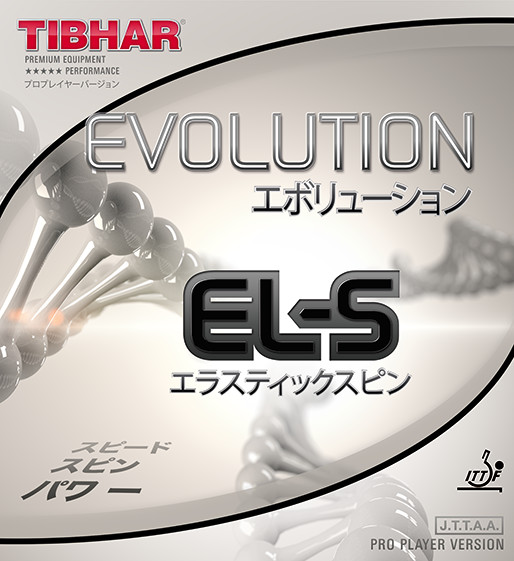
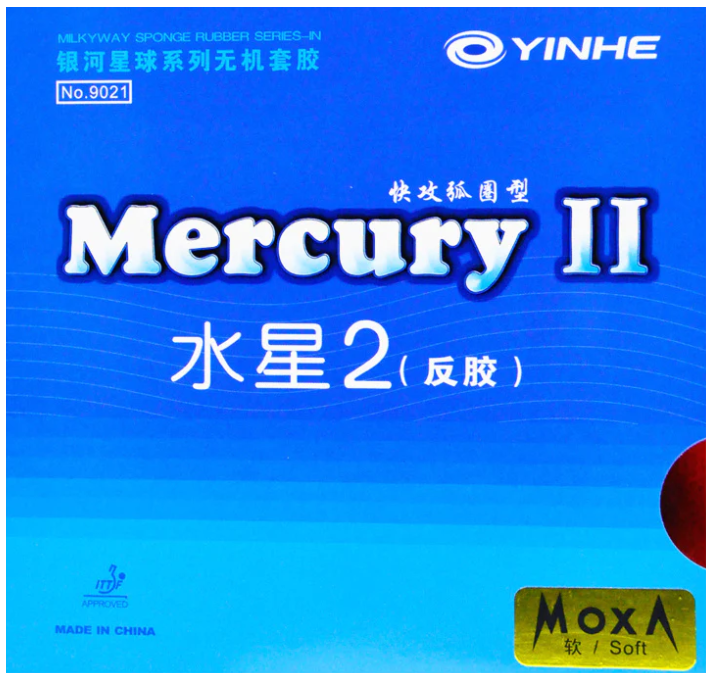
We may earn a commission from links on this page. Learn more.
Fast Verdict
On paper these two rubbers look like they should not even be compared. Tibhar Evolution EL-S is a German elastic tensor that Megaspin and TableTennis11 reviewers place in the same speed bracket as Tenergy 80 and Donic Bluefire M2. Yinhe Mercury II is a budget Chinese tacky sheet that retails for roughly five dollars. But the axis data tells a more interesting story than “premium versus cheap”: on raw speed, spin, and control, the two rubbers are separated by only 0.2 to 0.3 points, which is close to a statistical tie. The real gap between them is mechanical, not measured in speed at all.
The One Number That Actually Separates Them
Tackiness is where these two rubbers stop looking alike. EL-S scores just 2.3 on tackiness, typical of a low-tack German elastic tensor that generates its spin through sponge catapult and swing speed. Mercury II scores 6.1, a genuinely tacky topsheet in the Chinese rubber tradition that grips the ball directly on contact. That 3.8-point gap is the largest delta in this comparison by a wide margin, and unlike a lot of axis gaps, it is not really a “better or worse” number. It is a description of two different mechanisms for generating spin. A tacky rubber like Mercury II lets you produce serve and push spin with a shorter, slower stroke because the topsheet itself grabs the ball. An elastic low-tack rubber like EL-S needs faster, more committed strokes to unlock its spin because it is relying on sponge compression and release rather than surface grip.
By contrast, the speed delta (0.3), spin delta (0.2), and control delta (0.2) are all small enough that you should not choose between these two rubbers based on raw performance numbers. TableTennis-Reference.com and EquipmentJunkie both rate EL-S’s topspin looping at the very top of the scale, and the community spin score cited by TableTennis-Reference is 8.98 out of 10 from 43 verified reviewers, but Mercury II is not far behind on the same axis at 8.8. If you strip away the tackiness difference, these are close statistical twins on power output.
Durability Is A Minor Factor, Not A Deciding One
Durability differs by only 0.5 points, 6.7 for EL-S versus 6.2 for Mercury II, which is a real but modest edge for the German rubber. EL-S’s own cons list notes that durability degrades after four to six months of regular play, so neither rubber is a multi-year investment; budget for replacement on both.
Who Each Rubber Actually Fits
EL-S’s bestFor description targets intermediate to advanced attacking players who want topspin consistency and control ahead of raw speed, especially on the backhand, and players stepping up from non-tensor rubbers who want an accessible tensor. It works on both ALL-rated and OFF-rated blades. Mercury II’s bestFor description points at beginners and improvers building a first custom racket, control-oriented all-round players, choppers, and defenders who want a serious tacky Chinese rubber without spending much. Reddit threads on r/tabletennis and Racket Insight both echo this: Mercury II is frequently recommended as an entry point into tacky Chinese rubber, not as a competitor to premium German tensors.
Should You Switch?
If you are currently on Mercury II and finding that flat, near-table counters feel mediocre, or that you are outgrowing the demands of an active tacky rubber, EL-S is a legitimate step up in elastic feel and control, at several times the price. If you are on EL-S and curious about Mercury II, understand you are not downgrading in raw numbers so much as swapping mechanisms: you will trade elastic catapult spin for grip-based tacky spin, and you will likely need to adjust your serve and push technique to get the most out of the tackier surface. Neither direction is a strict upgrade; it is a genuine style choice.
Bottom Line
Do not pick between EL-S and Mercury II on speed, spin, or control alone; those numbers are close enough to be noise. Pick based on whether you want an elastic, low-tack rubber that rewards full swings (EL-S) or a genuinely tacky rubber that grips the ball for serve and push spin at a fraction of the price (Mercury II).
Frequently asked questions
Is Tibhar Evolution EL-S actually faster or spinnier than Yinhe Mercury II?
Barely. The speed gap is only 0.3 points and the spin gap is only 0.2 points in aggregated ratings, both close to statistical noise. The real difference is tackiness, not raw output.
What does the tackiness difference between these two rubbers actually mean on the table?
EL-S (tackiness 2.3) generates spin through sponge catapult and needs a fast, committed stroke. Mercury II (tackiness 6.1) grips the ball directly on contact, so it can produce spin on shorter, slower serves and pushes.
Is Yinhe Mercury II good enough for an intermediate attacking player?
Its own bestFor profile targets beginners, improvers, choppers, and defenders rather than advanced attackers. EL-S is the better fit if you are prioritizing topspin consistency at a more advanced level.