Tibhar Evolution EL-P vs Tibhar Evolution FX-P: Which Should You Buy?
| Tibhar Evolution EL-P | Tibhar Evolution FX-P | |
|---|---|---|
| Our rating | 8.4/10 | 8.4/10 |
| best_side | both | Backhand or allround forehand |
| control | medium-high | 68 |
| speed | high | 94 |
| spin | high | 98 |
| sponge_hardness | 43.5 (ESN), about 35 Shore A | approx 40 degrees (softest in Evolution line) |
| type | tensor inverted | Inverted / tensor |
| weight_uncut_g | 68 | 68 |
We may earn a commission from links on this page. Learn more.
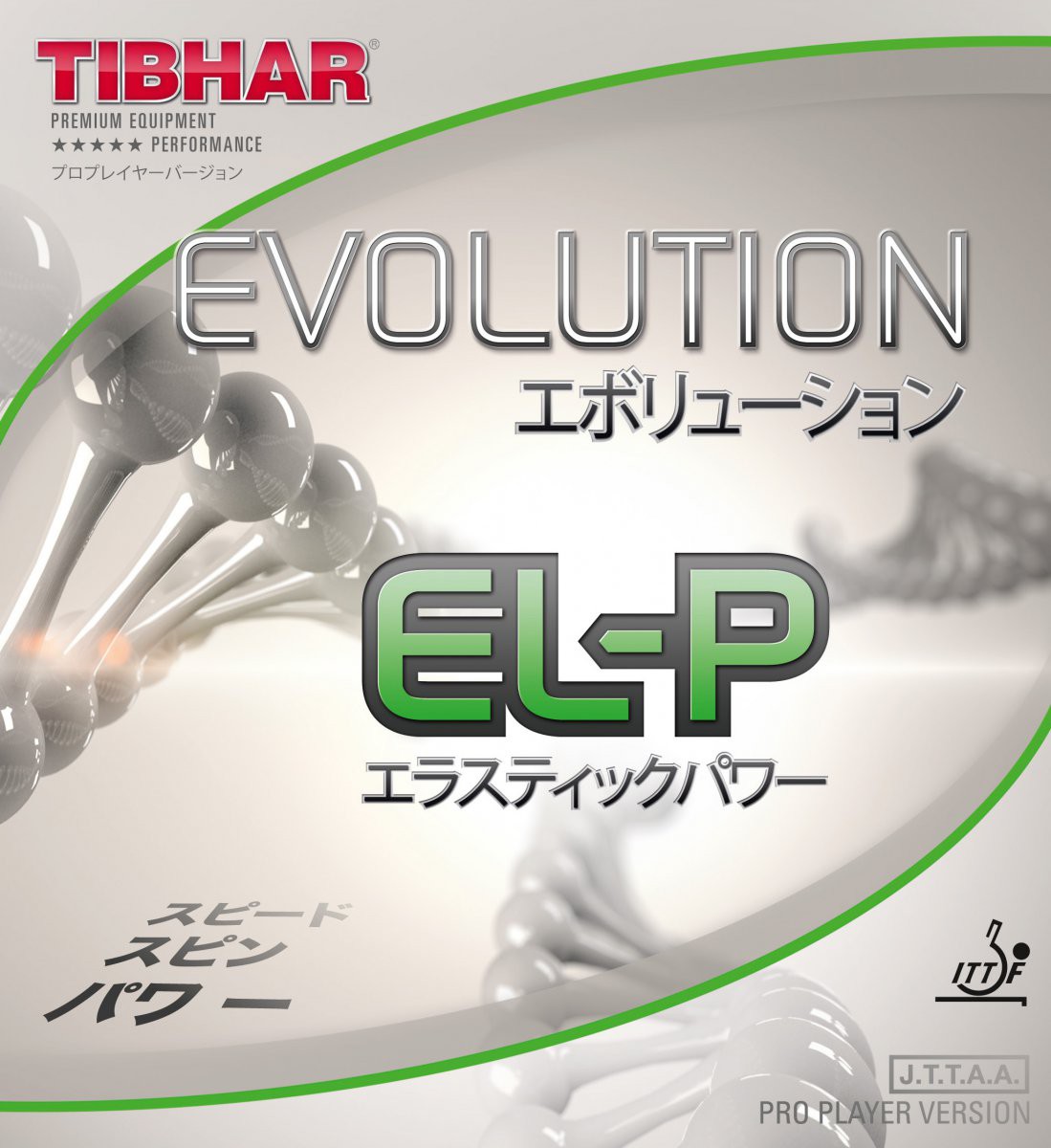
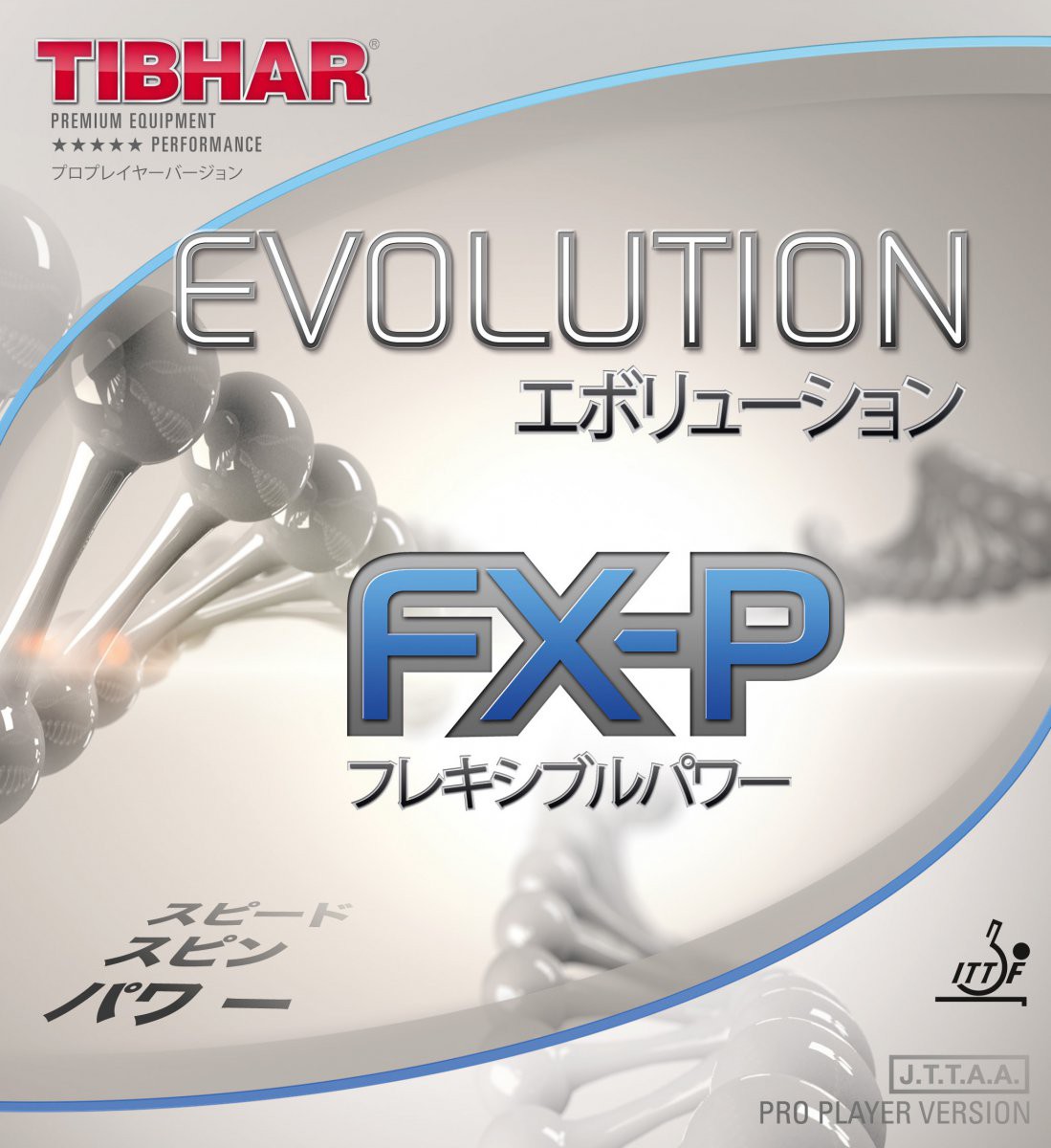
EL-P sits between MX-P and FX-P, offering balanced control and spin with a grippy, chewy feel. FX-P is the softest and most forgiving, excelling at spin and mishit tolerance but capping speed at distance. EL-P delivers surprise pace when accelerated, works well on both wings, and suits mid-distance play; FX-P is slower overall but more consistent on allround blades and for defenders. Both are heavier for their softness. Choose EL-P if you want balance and surprising pace; choose FX-P if you prioritize forgiveness and consistency.
FAQ
Which should I pick for my backhand?
Both excel on backhand. EL-P offers more bite and pace when you accelerate; FX-P is more forgiving on mishits and slower swings.
Why is EL-P heavier than expected?
It is heavy for its softness (43.5 ESN), often weighing as much as tacky Chinese rubbers despite being a tensor.
Does EL-P hold its spin longer than FX-P?
Both lose spin when dusty and need frequent cleaning. Neither maintains peak spin for long compared to MX-P.